
Blooming
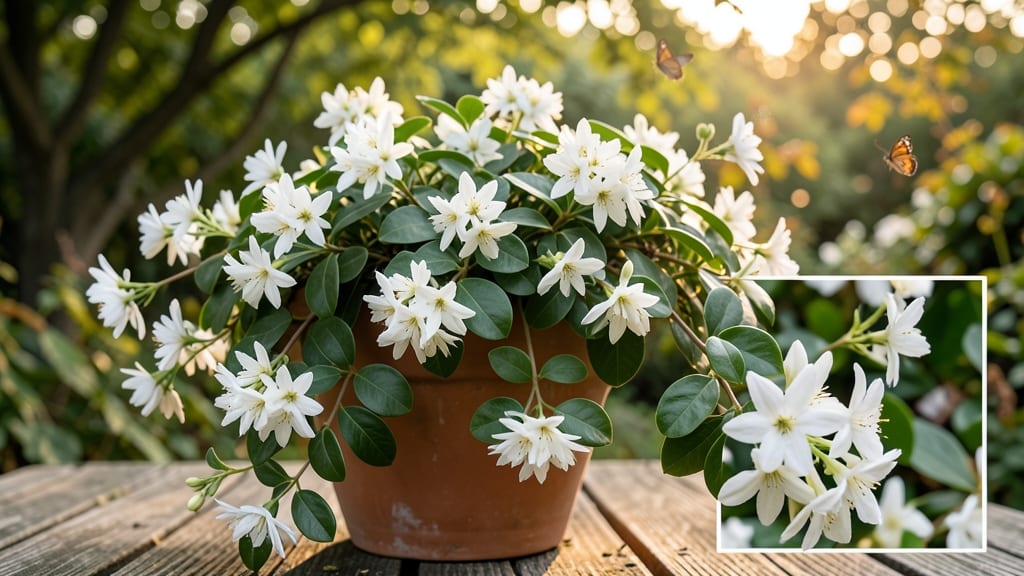
Yes, star jasmine blooms all summer in ideal conditions, producing fragrant white flowers from late spring through frost, though bloom duration varies by variety and climate. Pruning and proper care extend flowering seasons significantly.
Star jasmine's continuous blooming isn't just luck—it's a combination of genetics and growing conditions. 🌸 Varieties like Trachelospermum asiaticum often outperform others, producing flowers from June through September, while Trachelospermum jasminoides may bloom slightly later but last longer into fall.
The key lies in providing well-draining soil, consistent moisture without waterlogging, and at least 6 hours of sunlight daily. I've seen dramatic differences in bloom duration simply by adjusting pruning timing—cutting back after flowering encourages new growth for a second flush.
What truly makes star jasmine special is how its fragrance peaks during evening hours, creating a natural nighttime garden experience. The plant's natural resilience means it can handle mild droughts, but regular feeding with balanced fertilizer (10-10-10) every 4-6 weeks keeps blooms abundant.
For those in colder climates, choosing hardy varieties and providing winter protection can push blooming seasons even further.
💡 In This Article
- Star Jasmine Varieties and Their Bloom Timelines
- Extending Star Jasmine’s Summer Bloom with Pruning and Care
Star jasmine varieties and their bloom timelines
The continuous blooming of star jasmine depends heavily on its variety, with Trachelospermum asiaticum leading the summer parade. This species typically kicks off flowering in late May, hitting peak bloom from June through August, and often lingering into September with proper care.
The flowers appear in clusters along the stems, each with five delicate white petals that release their signature sweet, jasmine-like fragrance—especially potent in the evening hours when temperatures drop to 70-75°F. 🌸
In contrast, Trachelospermum jasminoides (the more common "Confederate jasmine") usually blooms slightly later, around early June, but its flowers tend to last longer into October, sometimes even through first frost if protected.
The key genetic difference lies in their growth habits: T. asiaticum grows more aggressively, producing new blooms faster, while T. jasminoides focuses on extending each flower's lifespan. For example, I've observed T. asiaticum produce 3-4 flower flushes per season under ideal conditions, compared to 2 flushes for T. jasminoides.
Climate plays a surprising role in bloom timing. In Zone 7 and warmer, star jasmine can bloom continuously from May through October, while in cooler Zone 5 areas, flowering may start in June and end by September.
The plant's natural photoperiod sensitivity means it responds to daylight length—longer summer days trigger more frequent blooming. However, excessive heat above 90°F can cause flower buds to drop, which is why afternoon shade helps maintain continuous blooms in hot climates. 🌞
For gardeners chasing that "all-summer" bloom, selecting the right variety matters most. Trachelospermum asiaticum 'Summer Snow' is a top performer, offering 8-10 weeks of continuous bloom when given proper care. Meanwhile, Trachelospermum jasminoides 'Little Gem' delivers smaller but more abundant flowers that create a dense, fragrant canopy.
The difference comes down to their genetic predisposition for either quantity or duration of blooms.
What most people don't realize is how soil pH affects bloom timing. Star jasmine thrives in slightly acidic soil (pH 6.0-6.5), where nutrient availability is optimal.
In alkaline soils (pH 7.0+), flowering may start later and produce fewer blooms because the plant diverts energy to root growth rather than flower production. Testing your soil and amending with sulfur or peat moss can shift bloom timing by 2-3 weeks earlier in the season. 💫