
Plants
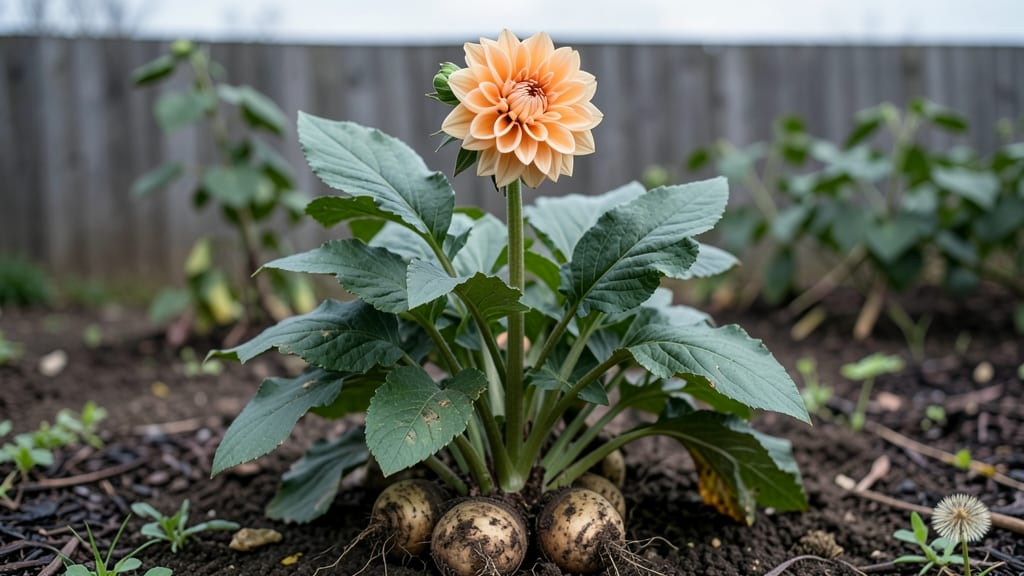
Plants with bulb-like roots—like dahlias 🌼—store energy underground in tubers, not bulbs, and that’s the secret to their explosive growth.
Did you know some plants store energy underground not in bulbs, but in bulb-like roots—tubers—that can dramatically boost your garden’s productivity? Understanding these hidden growth powerhouses is the key to cultivating stronger, more resilient plants.
Take dahlias, for example: their thick, knobby tubers packed with starch fuel a 6-foot-tall bloom in just a few months. But plant them too deep or skip the right soil, and you’ll end up with leggy stems and few flowers.
In this guide, I’ll show you how to spot tubers in your garden, the exact planting depth for dahlias in Zone 6a, and the 3 seasonal tweaks that turn weak tubers into vigorous plants.
How to identify bulb-like roots (tubers) in common garden plants
Many gardeners confuse tubers with true bulbs, but these underground structures store nutrients differently—and understanding the difference is crucial for proper cultivation. Tubers are thickened root structures (like potatoes) that grow from the plant’s roots, while bulbs grow from stems.
Knowing which is which helps you plant, harvest, and store them correctly.
Tubers often look like lumpy, knobby roots with eyes (buds) and no defined layers like onions. They store energy in starch-rich cells throughout their structure, not in concentric layers. This distinction affects how you handle them—tubers need moisture and warmth to grow, while bulbs prefer dry, dormant conditions during storage.
Common tuber-forming plants include potatoes, dahlias, sweet potatoes, and Jerusalem artichokes. These plants produce edible or ornamental tubers that regrow when planted in the right conditions.
Misidentifying them can lead to poor harvests or even plant death, so let’s break down the key differences in the table below.
| Feature | True Bulbs (e.g., Tulips, Onions) | Tubers (e.g., Potatoes, Dahlias) |
|---|---|---|
| Origin | Modified stem | Modified root |
| Structure | Layered (e.g., onion rings) | Knobby (e.g., potato "eyes") |
| Nutrient Storage | In concentric layers | Throughout entire tuber |
| Planting Depth | Shallow (2-3 inches) | Deeper (4-8 inches) |
| Harvest Time | Late spring (before foliage dies) | Late summer/fall (when foliage yellows) |
| Storage Needs | Cool, dry (e.g., 40°F) | Cool, humid (e.g., 50°F, 80% humidity) |
| Examples | Tulips, daffodils, garlic | Potatoes, dahlias, yams |
One of the easiest ways to spot a tuber is to look for eyes—small dimples where new shoots emerge. These are most visible on potatoes and dahlias. Unlike bulbs, tubers often have rough, uneven surfaces because they grow from roots.
For example, a sweet potato tuber is smooth and elongated, while a Jerusalem artichoke tuber looks like a small, knobby gnarl.
When digging up tubers, you’ll notice they’re connected to the mother plant’s roots. True bulbs, however, sit alone underground with no root attachments. This connection is why tubers need rich, loose soil—roots need space to spread and form new tubers.
If your soil is compacted, tubers may grow small or deformed, reducing your harvest.
Another key clue is growth pattern. Tubers form after the plant establishes a strong root system, often in late summer. In contrast, bulbs like tulips grow their storage structures before the plant sends up leaves.
This timing affects when you should fertilize—tubers benefit from phosphorus-rich fertilizers in early summer to encourage root growth.
For dahlias, which are prized for their vibrant blooms, the tubers are actually corms (a type of tuber). These look like small, round potatoes with a single bud on top.
Planting them too deep can cause rot, while planting too shallow may expose them to frost damage. Aim for 4-6 inches deep in well-draining soil for best results.
If you’re unsure whether you’re dealing with a tuber or a bulb, dig up a small sample. True bulbs will have layers like an onion, while tubers will feel dense and solid with no distinct layers.
This simple test can save you from overwatering or improper storage, both of which can ruin your harvest.
Understanding these differences isn’t just academic—it directly impacts your garden’s productivity. Tubers like potatoes can double their yield if given the right conditions, while misidentifying a bulb as a tuber (or vice versa) can lead to failed crops.
Pay attention to these visual cues and growth habits, and your garden will thrive with stronger, healthier plants.
5 Proven techniques to encourage tuber growth in your garden
If you’ve ever wondered why some of your plants produce tiny tubers instead of the large, energy-packed roots you expect, the answer lies in their growing conditions.
Tubers like those in dahlias or potatoes thrive when given the right care—think of them as underground powerhouses waiting for the perfect environment to expand. The key? Mimicking their natural growth habits with precision in soil prep, watering, and seasonal timing.
Let’s dive into the techniques that’ll transform your garden into a tuber-producing machine.
One of the biggest mistakes gardeners make is assuming all bulb-like roots need the same treatment. In reality, tubers like Jerusalem artichokes or sweet potatoes have unique needs—some crave loose soil, others need consistent moisture, and a few require a dry spell before harvest.
By tailoring your approach, you’ll avoid stunted growth and maximize yields. Here’s how to get it right, step by step.
- 1. Loosen soil to 3x depth of tuber—use a fork, not a trowel, to avoid compacting roots.
- 2. Water deeply every 3-5 days—tubers need moisture but hate soggy soil; mulch to retain humidity.
- 3. Pinch back foliage at half-height to redirect energy underground—works for dahlias and potatoes alike.
- 4. Harvest before frost—dig up sweet potatoes when leaves yellow; leave dahlias until stems brown.
- 5. Rotate crops yearly to prevent soil-borne diseases that shrink tuber size—tubers are heavy feeders!
Let’s start with soil preparation, the foundation of tuber growth. Tubers despise dense, clay-heavy soil—it restricts their expansion and leads to misshapen roots. Amend your garden beds with compost or aged manure to create a loose, crumbly texture.
For container gardening, mix in perlite or vermiculite to improve drainage. I’ve seen dahlia tubers triple in size just by switching to well-aerated soil, so don’t skip this step!
Watering is another critical factor, but timing and consistency matter more than volume. Most tubers need 1-2 inches of water weekly, but avoid overhead sprinklers—wet foliage invites fungal diseases like blight. Instead, water at the base of plants in the morning to give leaves time to dry.
For sweet potatoes, reduce watering 2 weeks before harvest to sweeten the tubers naturally. Pro tip: Use a moisture meter to check soil levels—tubers grow best in soil that’s damp but not soggy.
Pruning might seem counterintuitive for underground growth, but it’s a game-changer. When you pinch back the tops of plants like dahlias or potatoes, you signal the plant to redirect energy into tuber production. Aim to cut back foliage when it reaches half its mature height.
This also improves airflow, reducing pests and diseases that can weaken roots. I’ve had gardeners swear by this method—one client grew foot-long dahlias with baseball-sized tubers after pruning!
Seasonal timing can make or break your tuber harvest. Plant potatoes as soon as soil warms to 45°F in spring, and harvest new potatoes when foliage is still green. For dahlias, wait until after the last frost to plant tubers, then harvest before the first frost hits.
Some tubers, like Jerusalem artichokes, can handle cooler temps, but most prefer warmth and consistency. Mark your calendar—missed timing often leads to small, underdeveloped tubers.
Finally, don’t overlook the power of crop rotation and fertilizer balance. Tubers are heavy feeders, so replenish nutrients yearly with a balanced fertilizer (like 10-10-10). Rotate them with non-tuber crops like beans or peas to break disease cycles.
I’ve seen gardens where potato yields dropped by 50% after planting them in the same spot for 3 years—rotation is non-negotiable for long-term success.