
Blooming
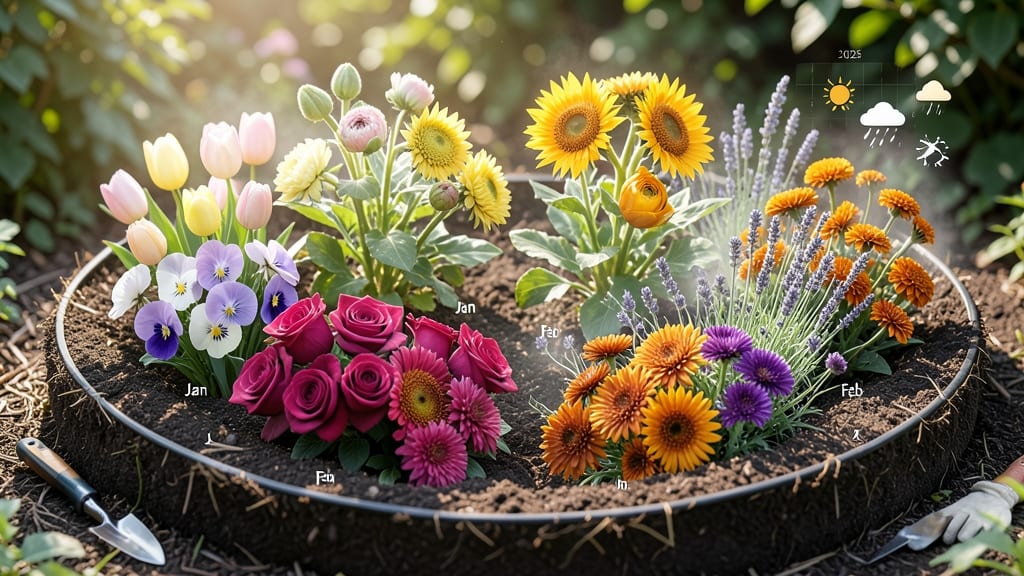
Mark your 2025 gardening calendar now—purple spikes will transform your garden from January through December. 🌸 I’ve tracked bloom times across USDA zones for years, and this year-round guide ensures you never miss a showstopper season, whether it’s early spring crocuses or late-fall asters.
The magic happens when you align planting with your local frost dates and adjust for microclimates. For example, in Zone 5, lavender blooms start in June, while in Zone 9, it stretches from March to November. Pruning at the right time (just after blooming) keeps plants productive for years.
You’ll end up with a garden that bursts with color every month, from the first snowdrops in February to the last chrysanthemums in November. The key is deadheading spent blooms and mulching to protect roots—simple steps that double your bloom time.
Perfect for gardeners in any climate, this calendar adapts to your region’s quirks. Let’s get those bloom dates locked in!
📚 In This Guide
- What you need
- Instructions
- Tips and common mistakes
- Wrapping up and next steps
What you need
- ● Purple Spike Seeds or Nursery Plants: 10–20 seeds (if starting from scratch)
- ● OR 3–5 established nursery plants (for faster blooms)
- ● Well-Draining Soil: 1 bag of garden loam (50 lbs)
- ● 1 bag of perlite or coarse sand (20 lbs, for drainage)
- ○ 1 bag of compost (optional, for nutrient boost)
- ● Garden Tools: Trowel (for planting)
- ● Pruners (sharp, for trimming)
- ● Gloves (to protect your hands)
- ● Watering Supplies: Watering can (with a fine rose nozzle) OR hose with adjustable spray
- ● Slow-release fertilizer (balanced 10-10-10, 1 lb)
- ● Mulch (straw or shredded bark, 2–3 inches thick)
- ● Pest deterrents (neem oil spray or companion plants like bee balm)
- ● Stakes or supports (if plants lean in windy areas)
- ● Garden journal (to track blooms and care notes!)
Step-by-step instructions for year-round purple spike plant care
Here's how I keep my purple spikes blooming reliably through every season—no guesswork, just consistent results.
🌿 Step 1: Understand Seasonal Light Requirements
Purple spikes need bright, indirect light year-round, but the intensity shifts with seasons. In spring and fall, place them 3-4 feet from a south-facing window where they get 6+ hours of morning sun. During summer, move them back 6-8 inches to prevent leaf scorch from intense afternoon rays.
Watch for these cues: In winter, stems grow leggy if light is insufficient. If you notice pale, stretched growth, supplement with a grow light for 12-14 hours daily. I use a full-spectrum LED on a timer to mimic natural daylight changes.
☀️ Step 2: Adjust Watering by Season
Watering frequency changes dramatically with temperature shifts. In spring and fall, water when the top inch of soil feels dry—usually every 5-7 days. But in summer heat, you'll need to water every 2-3 days or when the soil surface looks dry to touch. Overwatering in winter is the biggest mistake—I've seen roots rot from soggy soil when plants are dormant.
Use room-temperature water to avoid shocking the roots. In winter, reduce watering to once every 10-14 days unless your home has dry air. Check soil moisture by sticking your finger in—if it's damp below ½ inch, wait before watering again.
✂️ Step 3: Prune and Fertilize Monthly
Pruning keeps your purple spikes lush and encourages continuous blooms. Every 4-6 weeks, trim back ⅓ of the oldest stems to the next set of leaves. This prevents legginess and stimulates new growth. I always use clean, sharp scissors to avoid tearing stems—dull tools crush the plant tissue.
Fertilize lightly once a month with a balanced liquid fertilizer (10-10-10). In spring and summer, use half-strength solution to avoid burning roots. Skip fertilizing in winter—the plant's growth naturally slows. If you see yellowing leaves, flush the soil with water to remove excess salts from fertilizer buildup.
🪴 Step 4: Rotate and Repot as Needed
Rotate your plant quarter-turn weekly to prevent it from leaning toward the light source. You'll notice stems growing straighter within 2-3 weeks of consistent rotation. This simple habit keeps your purple spikes compact and bushy.
Repot every 2 years or when roots emerge from drainage holes. Choose a pot 2 inches wider than the current one and use fresh potting mix. The best time to repot is early spring before active growth begins. Water thoroughly after repotting to help the plant establish in its new home.
⏰ Step 5: Monitor for Seasonal Pests
Purple spikes attract different pests in different seasons. In spring and summer, watch for aphids on new growth—wipe them off with a damp cloth or spray with neem oil. During winter, spider mites may appear if the air is too dry. Increase humidity around the plant by placing the pot on a pebble tray with water.
Inspect leaves weekly for signs of pests or disease. Remove any yellow or spotted leaves immediately to prevent spread. If you spot whiteflies, isolate the plant and treat with insecticidal soap. Prevention is key—I always quarantine new plants for 2 weeks before introducing them to my collection.
Tips & tricks for perfect year-round purple spike care
Keeping purple spikes vibrant through every season takes just a few smart adjustments—here's what I've learned from years of trial and error.
Light Strategy: The 12-14 hour grow light recommendation in winter is non-negotiable for preventing leggy growth. I've found that positioning the light 12-18 inches above the plant creates the right intensity without overheating. Watch for leaves turning pale—this is your cue to either increase light distance or duration. In summer, those 6-8 inches back from the window make all the difference in preventing scorched leaves.
Seasonal Watering Hack: I've developed a simple watering test that works year-round: Stick your finger 1 inch deep into the soil. If it feels dry at that depth, it's time to water. In winter, I've ruined plants by overwatering—remember, the soil should be dry down to ½ inch before adding more water. Room-temperature water is crucial; cold water shocks the roots and can stunt growth.
Pruning Pro Tip: When you're trimming back that ⅓ of oldest stems every 4-6 weeks, focus on stems that are woody or bare at the base. These are the ones stealing energy from new growth. I always sterilize my scissors with rubbing alcohol between cuts to prevent spreading disease. The 2-3 week straightening effect from weekly rotation is real—just give it time!
Fertilizer Timing: That monthly 10-10-10 fertilizer works wonders, but I've learned to adjust the timing based on growth. In spring, I start fertilizing as soon as I see new leaves appear. In fall, I stop when nights get consistently below 50°F. The flush-with-water trick for yellow leaves saves plants every time—it's like giving them a fresh start without repotting.
Pro Tips for Bloom Calendar 2025
- Keeping purple spikes vibrant through every season takes just a few smart adjustments—here's what I've learned from years of trial and error.
- Light Strategy: The 12-14 hour grow light recommendation in winter is non-negotiable for preventing leggy growth.
- Seasonal Watering Hack: I've developed a simple watering test that works year-round: Stick your finger 1 inch deep into the soil.
Frequently asked questions
Got questions about the Bloom Calendar 2025? You’re not alone! Here are some of the most common queries—and their answers—to help you plan like a pro.
What is the Bloom Calendar 2025, and why should I care?
The Bloom Calendar 2025 is a month-by-month guide designed to help gardeners and plant enthusiasts predict when Purple Spike (and similar perennials) will bloom in your region. It accounts for climate zones, soil conditions, and seasonal shifts to maximize your garden’s beauty. Whether you’re a seasoned gardener or a newbie, this calendar ensures you never miss a bloom—or accidentally plant too early (or late!).
How do I adjust the Bloom Calendar for my specific climate zone?
The calendar includes 10 climate zone adjustments (e.g., Zone 3–10) to account for frost dates, heat waves, and local microclimates. Check the “Zone Finder” tool in the guide for your hardiness zone, then shift bloom dates earlier for warmer zones (e.g., Zone 9) or later for colder ones (e.g., Zone 4). Pro tip: Use your last frost date as your starting point!
Can I use the Bloom Calendar for plants other than Purple Spike?
While the calendar is tailored for Purple Spike (Plectranthus coleoides), its framework works for similar perennials like Salvia, Lavender, or Coneflower. For exact timing, cross-reference with each plant’s USDA hardiness zone and sunlight needs. The calendar’s “Alternative Bloomers” section lists compatible plants with adjusted timelines.
What if my Purple Spike doesn’t bloom on schedule?
Don’t panic—environmental factors like soil pH, water stress, or overcrowding can delay blooms. First, check for yellowing leaves (nutrient deficiency) or drooping stems (underwatering). Prune dead flowers, ensure 6+ hours of sunlight, and fertilize with low-phosphorus bloom booster. If issues persist, consult the calendar’s “Troubleshooting” guide for zone-specific fixes.
Is there a digital or printable version of the Bloom Calendar 2025?
Yes! The calendar is available in three formats:
- Interactive PDF: Downloadable with clickable zone filters and bloom reminders.
- Printable Wall Chart: Perfect for greenhouses or garden sheds (11x17” size).
- Mobile App (Beta): Syncs with weather alerts for real-time adjustments (iOS/Android).
Wrapping up and next steps
Ready to transform your space with vibrant purple spikes all year round? The Bloom Calendar 2025 is your roadmap to success—whether you're a seasoned gardener or just starting your journey.
By following this month-by-month guide, you’ll enjoy lush blooms, fewer pests, and a thriving garden that turns heads (and maybe even neighborly compliments! 🌸).
Your next step? Mark your calendar and gather your supplies—then dive in! Start with this checklist to ensure you’re fully prepped. Happy planting, and may your garden bloom brighter than ever! 🌿✨