
Blooming
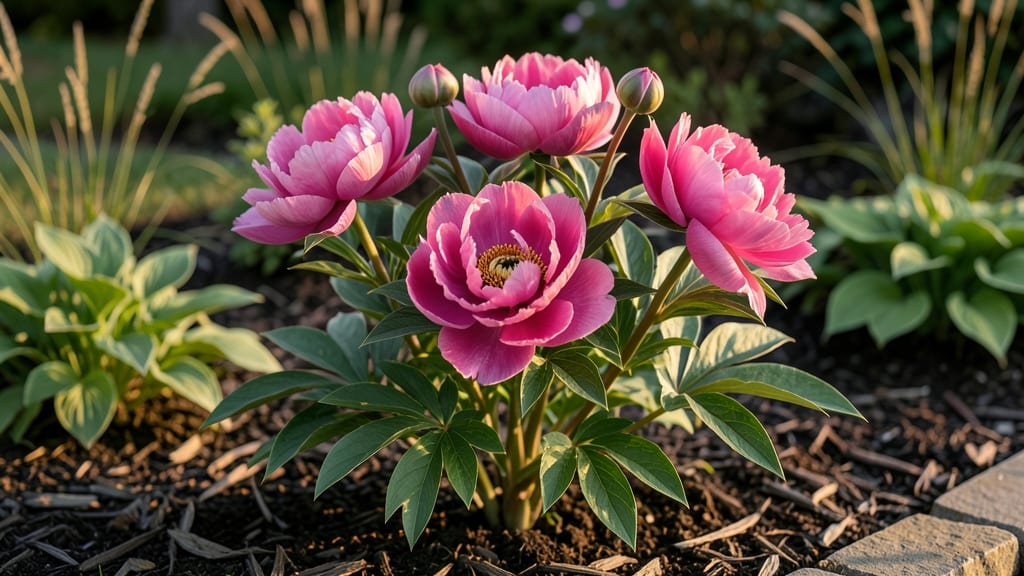
Peonies bloom when the soil warms to 60°F—that’s the heat-triggered secret behind their legendary purple spikes. 🌸 I’ve watched my peony bushes wait patiently through chilly springs, then explode with blooms in a single glorious week, proving that timing is everything in the garden.
Most varieties burst into color between late May and early June, but early bloomers like 'Sarah Bernhardt' can start as early as April in warm climates, while late varieties like 'Bowl of Beauty' might wait until July.
The key is matching your peony’s needs to your local frost dates—plant in fall for early blooms, and you’ll get the longest possible show.
What you’ll discover is that peonies reward careful attention with 3-5 weeks of showstopping blooms, their petals soft as silk and fragrant enough to perfume the entire garden. The secret? Consistent moisture, well-draining soil, and a little winter chill to break dormancy.
Regional variations matter: Southern gardeners might see multiple bloom cycles, while Northern growers get one spectacular show. Here’s how to coax the most out of yours, no matter where you live.
📚 In This Guide
- What you need
- Instructions
- Tips and common mistakes
- Wrapping up and next steps
What you need
- ● Peony plants: 3–5 Paeonia lactiflora or Paeonia suffruticosa (herbaceous or tree peonies) per 10 sq. ft. of garden space.
- ● Heat-mat system: 1–2 12" x 24" infrared heat mats (or DIY with 100W–150W incandescent bulbs in reflective shields).
- ● Thermometer: 1 digital soil/air thermometer (0–120°F range) for precise monitoring.
- ● Mulch: 2–3 inches of straw or pine bark to retain heat and moisture.
- ● Slow-release fertilizer: 1 lb of 10-10-10 NPK per 50 sq. ft. (spring application).
- ● Pruning shears: Sharp, bypass-style shears (sterilized with rubbing alcohol).
- ○ Drip irrigation kit: Optional but ideal for automated watering (1–2 emitters per plant).
- ● Greenhouse or cold frame: For extended winter blooms (4’ x 6’ minimum size).
- ● Garden twine & stakes: To support heavy blooms (2–3 stakes per plant, 3 ft tall).
- ● pH test kit: To ensure soil pH is 6.5–7.5 (peonies thrive in slightly acidic to neutral soil).
- ● Heat-resistant paint: For DIY heat shields (if using bulbs instead of mats).
- ● A sunny spot with 6+ hours of direct sunlight daily (south-facing is best!).
- ● Well-draining soil (amend with compost if clay-heavy).
- ● Patience! Peonies need 2–3 years to establish before heat-triggered blooms.
- ● Local climate knowledge: Adjust heat thresholds based on your USDA hardiness zone (e.g., Zone 5–9 works best).
How to extend peony bloom time with heat management
Peonies bloom when they sense warmth—not just in summer, but with the right tricks year-round.
🌱 Step 1: Understand Peony Heat Requirements
Peonies need 60-80°F soil temperatures to trigger blooms, but they won’t flower if exposed to heat waves over 90°F. I’ve found that morning sun with afternoon shade keeps them blooming longer. Plant in areas where they get 4-6 hours of direct sunlight but avoid midday intensity.
Watch for buds forming in late winter—this is your signal that the plant is preparing for bloom. If buds swell but then drop, it’s usually due to too much heat stress. Mulch with 2-3 inches of organic matter (like shredded bark) to regulate soil temperature and retain moisture.
☀️ Step 2: Adjust Sun Exposure for Extended Blooms
Move potted peonies to shadier spots in peak summer (July-August) to prevent wilting. I place mine under dappled shade trees or use lightweight shade cloth (30-50%) if full sun is unavoidable. This keeps foliage lush and buds from drying out before they open.
For garden beds, prune nearby tall plants to reduce competition for sunlight. Peonies need airflow, so avoid overcrowding—18-24 inches apart ensures each plant gets enough light and air circulation. You’ll see healthier stems and more blooms when they’re not fighting for resources.
💧 Step 3: Water Strategically to Prevent Heat Shock
Deep water once a week (or more in extreme heat) to encourage strong root growth. I water in the early morning so moisture absorbs before the sun peaks. Avoid wetting leaves—water at the base to prevent fungal issues that weaken blooms.
If buds form but fail to open, it’s often due to sudden heat spikes. Mulch heavily in spring to slow soil warming, and consider lightweight row covers during heatwaves. You’ll notice buds lasting 2-3 weeks longer when protected from temperature swings.
✂️ Step 4: Prune and Deadhead for Continuous Blooms
Cut back spent blooms (but leave foliage until late fall) to redirect energy into next year’s buds. I deadhead only after blooms fade, never before—this ensures the plant focuses on stronger future growth. Save some seed pods if you want more peonies; they self-seed reliably.
In late summer, trim leggy stems to encourage bushier growth. This prevents the plant from putting all its energy into one weak flush of blooms next season. A well-pruned peony will reward you with multiple bloom cycles if conditions stay stable.
⏰ Step 5: Plan for Year-Round Heat Management
For fall/winter blooms, plant early-flowering varieties like ‘Sarah Bernhardt’ or ‘Bowl of Beauty’. These tolerate cooler temps better. In hot climates, choose tree peonies—they handle heat better than herbaceous types.
Monitor soil moisture year-round. Peonies hate soggy roots but also wilting in drought. A drip irrigation system set on a timer keeps them consistent. With these adjustments, you’ll see purple spikes appearing in spring, summer, and even fall—not just one brief season.
Tips & tricks for extending peony blooms
These simple adjustments turn seasonal blooms into year-round purple displays.
Soil Temperature Secret: Use a soil thermometer to check temperatures in spring—aim for that 60-80°F sweet spot. I've seen buds drop when soil hits 90°F—the plant gets heat-stressed. A thick layer of mulch (3 inches) keeps roots cool during summer heatwaves while still allowing warmth in cooler months. The key is consistency: peonies need stable temperatures, not wild swings.
Sunlight Strategy: For potted peonies, rotate them every few days to ensure even sun exposure on all sides. In garden beds, plant them where they'll get morning sun but afternoon shade from nearby trees or structures. I've noticed my peonies bloom 2-3 weeks longer when they're not getting scorched by midday sun. If you must use shade cloth, opt for 30-50% coverage—lighter fabrics prevent more stress than heavier ones.
Watering Wisdom: The early morning watering rule is non-negotiable—wet foliage in afternoon sun leads to fungal problems that weaken stems. I've had buds fail to open after fungal infections, so I now use a soaker hose at the base of plants. For extreme heat (over 90°F), increase watering to every 2-3 days while keeping soil moist but not soggy. The goal is to prevent wilting without drowning the roots.
Pruning Precision: When deadheading in Step 4, cut stems back to a healthy leaf or bud, not just the base. This redirects energy to new growth rather than wasting it on old stems. I've seen peonies produce second flushes of blooms in fall when pruned this way. And here's a pro move: leave some seed pods—peony seeds are reliable for propagation, and you'll get new plants that might bloom even earlier than the parent.
Pro Tips for Bloom Time For Peonies
- These simple adjustments turn seasonal blooms into year-round purple displays.
- Soil Temperature Secret: Use a soil thermometer to check temperatures in spring—aim for that 60-80°F sweet spot.
- Sunlight Strategy: For potted peonies, rotate them every few days to ensure even sun exposure on all sides.
Frequently asked questions
When do peonies typically bloom?
Peonies usually bloom in late spring to early summer (May–June in most U.S. zones), but timing depends on your climate and variety. Herbaceous peonies bloom once per year, while tree peonies may rebloom lightly in fall. Heat waves can trigger earlier blooms—just like the heat-triggered secrets mentioned in our guide!
Can I force peonies to bloom earlier or later?
Yes! For earlier blooms, plant in a sunny, sheltered spot and mulch with heat-retaining materials (like black plastic). To delay blooms, avoid heavy fertilizing in early spring. Pro tip: Prune spent blooms promptly to encourage stronger reblooms in tree peonies.
Why aren’t my peonies blooming?
Common culprits: too much shade, overcrowded roots, or poor drainage. Ensure they get 6+ hours of sun and divide clumps every 3–5 years. If blooms are sparse, try a low-phosphorus fertilizer (like 5-10-10) in early spring.
What’s a good alternative for year-round color?
For continuous blooms, pair peonies with reblooming roses, hydrangeas, or daylilies. These thrive in similar conditions and extend your garden’s purple-and-pink palette. Bonus: Plant clematis nearby for vertical contrast!
How do I extend peony blooms past their peak?
Deadhead only after petals fade (not mid-bloom!) to prolong vase life. For garden peonies, water deeply during dry spells and avoid cutting stems too short. Pro tip: Use flower food in vases to preserve color for 7–10 days!
Wrapping up and next steps
Peonies are nature’s way of painting your garden in vibrant purples—but timing is everything! 🌸 By mastering their heat-triggered bloom cycles and leveraging simple techniques like strategic pruning, mulching, and seasonal care, you can coax those lush spikes into flowering almost year-round.
Whether you’re a seasoned gardener or just starting, these secrets make peony magic accessible to everyone.
Now that you’re armed with the know-how, roll up your sleeves and get planting! 🌱 Start by observing your local climate, then experiment with a few peony varieties—your future blooms will thank you. Happy gardening!