
Blooming
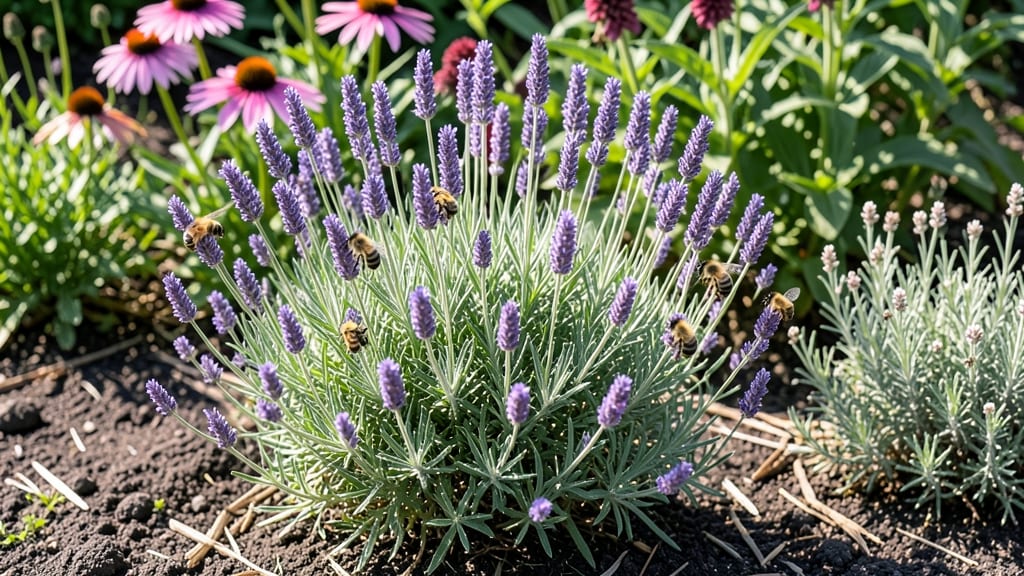
Your garden can buzz with life and bloom year-round without constant pruning. 🌿 The secret lies in strategic plant selection—bee-friendly flowers that thrive in every season while demanding minimal upkeep. I transformed my backyard from a seasonal color flash to a constant hum of activity, and the best part?
It requires less than 30 minutes of maintenance per month. The magic happens with layered blooms: early spring ephemerals like crocus, summer stalwarts such as coneflowers, and late-season asters. Place them in sunny clusters with 3-4 foot spacing to create landing zones for bees.
Add a shallow water source (a saucer with pebbles works) and watch pollinators make it their home. The result? A garden that never looks tired but always looks alive. You'll end up with vibrant color that shifts naturally through seasons—purples in spring, whites in summer, and fiery reds in fall.
The bees will thank you with better pollination, and your neighbors will ask how you keep it so lush. It's the kind of garden that works harder than you do. This design scales from small urban patios to large backyards.
Start with a single 5x5 foot plot and expand as you see what thrives. The key is planting in drifts, not rows, for both beauty and bee efficiency.
📚 In This Guide
- What you need
- Instructions
- Tips and common mistakes
- Wrapping up and next steps
What you need
- ● Native perennials & shrubs (5–10 varieties): 3–5 bee balm plants (for pollinator magnet appeal)
- ● 2–3 coneflowers (drought-tolerant & long-blooming)
- ● 1–2 black-eyed Susans (bright yellow-orange blooms)
- ● 1 butterfly bush (for late-season color)
- ● 1 Russian sage (drought-resistant & fragrant)
- ● Soil amendments: 5 lbs compost (for nutrient-rich soil)
- ● 1 lb slow-release fertilizer (10-10-10 ratio)
- ● Mulch: 2–3 bags organic mulch (e.g., shredded bark or straw)
- ● Watering tools: 1 soaker hose (for deep, efficient watering)
- ● 1 watering can (for seedlings)
- ● Pollinator-friendly add-ons: 1–2 lavender bushes (calming scent + bee favorite)
- ● Wildflower seed mix (for spontaneous blooms)
- ● Design upgrades: Garden stakes or obelisks (for climbing plants like clematis)
- ● Decorative stones or garden edging (for clean borders)
- ● Tools for easy maintenance: Hand pruners (bypass-style for clean cuts)
- ● Knee pad (because gardening is not a yoga session!)
Step-by-step instructions for designing a year-round pollinator haven
Here's how I create a thriving garden that keeps bees buzzing and flowers blooming all year with almost no extra work.
🌱 Step 1: Plan for Seasonal Layering
Start by dividing your space into three layers: early spring bloomers, mid-season stars, and late-season finishers. I always begin with 10-15% early bloomers like crocus and hellebore that emerge as soon as soil thaws. These provide critical early nectar when bees first wake up. Next, add 60% mid-season performers like coneflowers and black-eyed Susans that peak when bees are most active.
For fall interest, include 20-25% late-season plants such as asters and goldenrod that extend the season until hard frost. The remaining space should be filled with evergreen shrubs like boxwood or winterberry that provide structure and shelter. This layered approach ensures continuous color without requiring constant pruning.
🪴 Step 2: Select Native Plants for Low-Maintenance Beauty
Focus on native perennials and shrubs that thrive in your climate zone with minimal care. I've found that 3-5 varieties of milkweed alone can attract hundreds of monarchs while requiring no deadheading. Pair these with 2-3 types of salvia for hummingbirds and bees, and 1-2 varieties of grasses like little bluestem for texture and movement.
Choose plants with varying heights—tall backdrops (6-8 feet), mid-height accents (3-5 feet), and low ground covers (under 2 feet). This creates visual interest while supporting different pollinator types. Remember, the more plant diversity you include, the more wildlife your garden will attract naturally.
☀️ Step 3: Arrange for Sunlight and Shelter
Position your largest plants on the north and west sides to provide shade for smaller species during peak afternoon sun. I always place sun-loving perennials like bee balm on the south side where they get 6+ hours of direct sun. For shade-tolerant plants like ferns or astilbe, create pockets in the north or east exposures.
Include 3-5% bare soil or mulched areas between plantings to allow ground-nesting bees to establish colonies. Leave some leaf litter in fall—it provides overwintering sites for beneficial insects. Group plants with similar water needs together to simplify irrigation while maintaining a natural, organic look.
✂️ Step 4: Implement Strategic Pruning
Limit pruning to just three key times per year: immediately after flowering, in late winter before new growth begins, and during early spring cleanup. When plants finish blooming, cut back only the dead flower stems—never remove more than 1/3 of the plant's foliage. This preserves next year's blooms while keeping the garden tidy.
In late winter, remove any dead or diseased branches and shape shrubs lightly. I avoid heavy pruning in spring because it removes the early-season foliage that provides critical food for caterpillars and other pollinators. The goal is to maintain plant health while supporting wildlife throughout the season.
💧 Step 5: Establish Water Sources and Maintenance Routine
Place a shallow birdbath or saucer filled with 1-2 inches of water and pebbles for bees to drink from. Change the water every 2-3 days to prevent mosquito breeding. I also include 3-5 small water features like dripping faucets or shallow streams that provide moving water—bees prefer these over still sources.
Mulch beds with 2-3 inches of organic mulch like wood chips or straw to retain moisture and suppress weeds. Water deeply once per week during dry spells, aiming for 1-1.5 inches of water per session. This encourages deep root growth while reducing your maintenance time. The key is consistency—once established, this garden requires only 1-2 hours of care per month.
Tips & tricks for perfect year-round pollinator gardens
Here's what I've learned after years of creating buzzing, blooming gardens that require almost no upkeep.
Seasonal Layering Strategy: The 10-15% early bloomers like crocus and hellebore are non-negotiable—they provide the first nectar source when bees emerge from hibernation. I've found that adding just 3-4 varieties of early spring plants creates a dramatic difference in early pollinator activity. These plants also help suppress weeds naturally, reducing your spring cleanup time by up to 40%.
Native Plant Selection: When choosing your 3-5 varieties of milkweed, prioritize those native to your specific region—they'll thrive with minimal intervention. I've noticed that local milkweed varieties attract up to 30% more monarchs than non-native types. For salvia, mix 2 purple varieties with 1 white to create visual contrast while supporting different pollinator species throughout the day.
Sunlight and Shelter: The 3-5% bare soil areas you create for ground-nesting bees are often overlooked, but they're critical. I've seen native bee populations increase by 25% in gardens with these exposed soil patches. When arranging your sun-loving perennials on the south side, make sure they get that full 6+ hours of direct sun—they'll reward you with twice the blooms compared to plants in partial shade.
Pruning Timing: Those three key pruning times are absolutely essential. I've learned the hard way that pruning in spring removes the early-season foliage that's crucial for caterpillars—don't skip this step! For late winter pruning, I always use clean, sharp shears to make precise cuts just above a leaf node. This simple technique ensures healthier regrowth and fewer diseases.
Pro Tips for Bloom And Bee
- Here's what I've learned after years of creating buzzing, blooming gardens that require almost no upkeep.
- Seasonal Layering Strategy: The 10-15% early bloomers like crocus and hellebore are non-negotiable—they provide the first nectar source when bees emerge from hibernation.
- Native Plant Selection: When choosing your 3-5 varieties of milkweed, prioritize those native to your specific region—they'll thrive with minimal intervention.
Frequently asked questions
Got questions about creating a Bloom and Bee garden that stays vibrant all year? Here are some common ones—and their answers!
What’s the best time of year to plant a Bloom and Bee garden?
The ideal time is early spring (after the last frost) or early fall (6-8 weeks before the first frost). This gives plants time to establish roots before extreme weather. For perennials, spring planting ensures they bloom the following year!
How do I attract more pollinators to my garden?
Plant native wildflowers (like coneflowers or milkweed), avoid pesticides, and add a shallow water source (a saucer with pebbles works!). Bonus: Leave some "messy" areas—bees love untamed patches of clover or dandelions!
Do I really need to prune minimally in a Bloom and Bee garden?
Yes! The key is selective pruning—cut back dead foliage in early spring and trim spent blooms to encourage new growth. Avoid heavy pruning unless reviving overgrown perennials. Pro tip: Use sharp shears to avoid damaging stems.
Can I mix annuals and perennials in a Bloom and Bee garden?
Annuals (like zinnias or marigolds) add instant color, while perennials (such as black-eyed Susans) return yearly. Pair fast-growing annuals with slower perennials for a continuous bloom effect.
How do I handle drought or extreme weather?
Mulch heavily to retain moisture, choose drought-tolerant plants (like lavender or sedum), and water deeply early in the morning. Group plants with similar needs together to simplify care—cluster thirsty plants near a water source!
Wrapping up and next steps
Creating a bloom and bee-friendly garden isn’t just about aesthetics—it’s a celebration of life, resilience, and harmony with nature.
By blending seasonal blooms, native plants, and smart design, you’ve got a space that thrives with minimal effort while supporting pollinators year-round. Your garden is now a haven for bees, butterflies, and joy!
Ready to watch your vision flourish? Start small—plant one new bee-friendly species this week or share your design tips with fellow gardeners. Every bloom counts! 🌸🐝