
Blooming
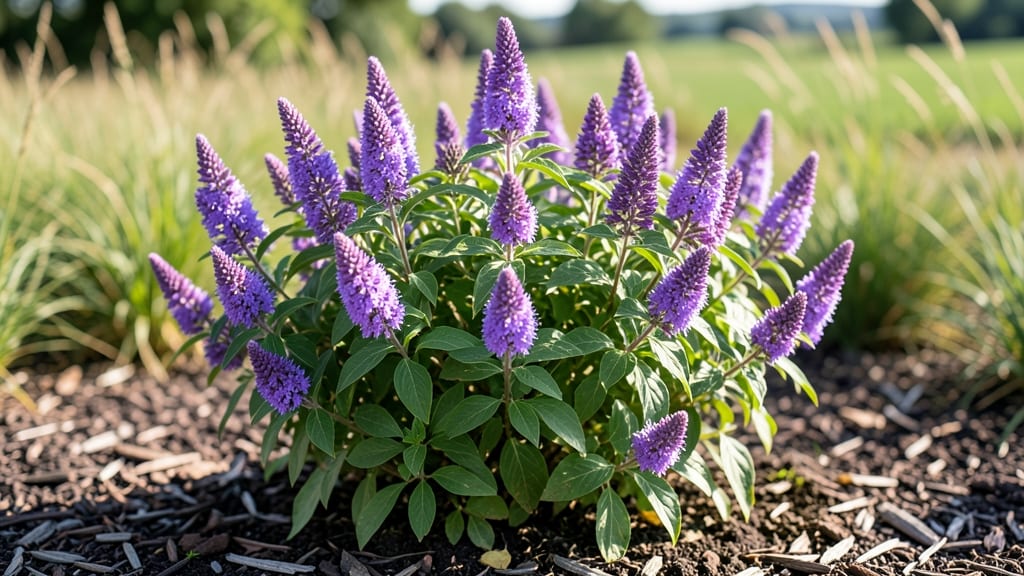
The butterfly bush bloom time in late summer to early fall transforms your garden into a vibrant pollinator paradise 🦋.
If you’ve ever waited eagerly for your butterfly bush to burst into vibrant blooms—only to be met with disappointment—you’re not alone. The secret to unlocking its full potential lies in understanding heat-zone triggers and seasonal cues that dictate bloom time.
In USDA Zone 6a, where many gardeners plant this hardy shrub, blooms typically appear in July or August, lasting through September or even October with the right care. But climate, pruning, and sunlight play a bigger role than you might think.
Below, I’ll break down how to time your pruning for peak blooms, which varieties flower earliest, and the simple tricks to extend that show-stopping display for weeks longer than average.
How heat zones affect butterfly bush bloom time
Your butterfly bush (Buddleia) thrives on warmth, and its bloom time shifts dramatically based on your USDA heat zone. In Zone 5-6, expect blooms to arrive in late June or July, while gardeners in Zone 9-10 may see flowers as early as May.
These variations occur because heat zones determine when your plant enters its active growth phase—critical for bud formation.
The USDA heat zone map divides the country into 11 zones based on average annual minimum temperatures. For butterfly bushes, zones 5-10 are most relevant, as they cover the plant's native range and optimal growing conditions.
Each zone represents a 10°F difference, which directly influences when your shrub will break dormancy and begin flowering.
Here’s how your local climate zone impacts bloom timing, including early vs. late bloomers and regional variations:
| USDA Zone | Avg. Bloom Start | Bloom Duration | Key Trigger | Regional Note |
|---|---|---|---|---|
| Zone 5 | Late June | 6-8 weeks | Soil temps >50°F | Cold snaps delay blooms |
| Zone 6 | Early July | 7-9 weeks | Daylength >14hrs | Humidity extends blooms |
| Zone 7 | Mid-June | 8-10 weeks | Consistent 70°F+ | Ideal for long blooms |
| Zone 8 | Late May | 9-11 weeks | Spring rains trigger growth | Drought shortens blooms |
| Zone 9 | Early May | 10-12 weeks | Warm winters prevent dormancy | Blooms year-round in mild areas |
| Zone 10 | April | Continuous | No winter dormancy | Prune to control growth |
In Zone 5-6, butterfly bushes often bloom later because they need to overcome cold soil before producing flowers. The 6-8 week bloom window in these zones means you’ll see vibrant blooms from late June to August, but only if you provide well-draining soil and full sun exposure.
Without these, blooms may arrive 2-3 weeks late or produce fewer flowers.
Gardeners in Zone 7 enjoy the sweet spot for butterfly bushes, with blooms typically starting in mid-June and lasting until early September. The 8-10 week duration makes this zone ideal for pollinators, as flowers coincide with peak butterfly migration periods.
To maximize blooms here, prune in late winter to encourage new growth before the heat arrives.
Southern gardeners in Zone 8-10 often see earlier blooms, sometimes as early as April or May. In Zone 9-10, butterfly bushes may even
Seasonal triggers that maximize butterfly bush flowering
Your butterfly bush thrives on seasonal cues that trigger its spectacular blooms. The right combination of pruning timing, sunlight exposure, and soil conditions can transform a sparse shrub into a pollinator magnet.
Let’s explore how to align your care routine with nature’s clock to extend those vibrant blooms all season.
First, understand that butterfly bushes bloom on new wood—meaning the current year’s growth produces flowers. This makes late winter pruning (just before buds swell) critical. Cut back stems by one-third to encourage fresh, flowering shoots, but avoid heavy pruning after mid-summer or you’ll sacrifice next year’s blooms.
🌱 Key Triggers for Peak Blooms
- 1. Late Winter Pruning: Cut back one-third of stems in February-March (USDA Zones 6-9).
- 2. Full Sun Exposure: 6+ hours daily triggers maximum flower production—no compromise!
- 3. Well-Draining Soil: Amend with compost to prevent root stress that delays blooming.
- 4. Fertilizer Timing: Apply balanced 10-10-10 in early spring and late summer for sustained energy.
- 5. Deadheading: Remove spent blooms to redirect energy to new flowers—extend blooms by 4-6 weeks!
Don’t overlook soil conditions—butterfly bushes despise soggy roots. Test your soil’s drainage by digging a 6-inch hole and filling it with water. If it drains in under 2 hours, you’re golden.
Slow drainage? Mix in sand or perlite to improve airflow. Even the hardiest shrubs struggle when their roots suffocate.
For extended blooming periods, focus on consistent moisture without waterlogging. Deep water once weekly during dry spells, but reduce frequency in fall to prepare for dormancy. Mulching with wood chips retains moisture while regulating soil temperature—a game-changer for Zone 5-6 gardens where cold snaps can delay spring blooms.
Pro tip: If your butterfly bush blooms late or sparsely, it might be nutrient-deficient. A foliar spray of diluted fish emulsion in early summer provides a quick phosphorus boost for flower development. Pair this with morning sunlight (the most intense rays) to maximize photosynthesis and fuel those showstopping blooms.
By syncing these seasonal triggers with your butterfly bush’s natural rhythm, you’ll transform it from a hit-or-miss bloomer into a year-round pollinator powerhouse. Start with late winter pruning, then let the sun and soil do the rest—your garden’s winged visitors will thank you! 🦋