
Blooming
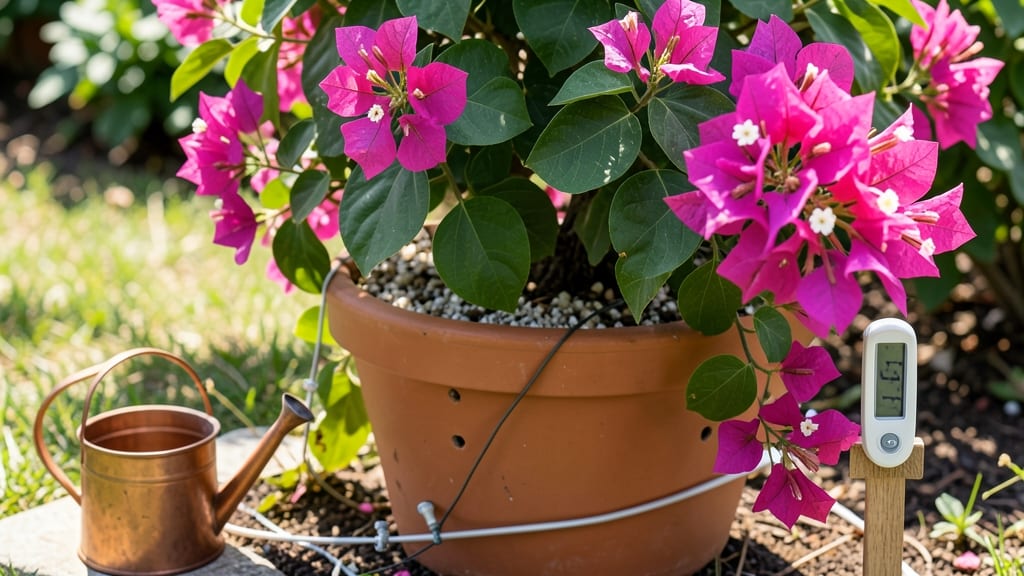
Bougainvillea do not bloom year-round naturally, but certain varieties in frost-free zones (USDA 9-11) can produce near-constant flowers with ideal growing conditions, while cooler-climate plants typically bloom seasonally. Strategic pruning, sunlight exposure, and consistent watering extend their flowering periods.
Bougainvillea are tropical plants with natural seasonal rhythms that respond dramatically to temperature shifts.
In warmer climates like Southern California or Florida, some varieties like 'San Diego Red' or 'Orange King' can flower almost continuously when given full sun exposure (6+ hours daily) and proper pruning every 6-8 weeks to encourage new growth. 🌸 The key difference lies in their growth cycles—tropical types push blooms year-round if conditions stay warm, while subtropical varieties need winter dormancy to reset their flowering cycle.
What many gardeners miss is that even in frost-free zones, bougainvillea need regular maintenance to maintain heavy blooming. Overwatering or inconsistent pruning can actually reduce flowers by encouraging leafy growth over buds.
I've found that a balanced fertilizer (high phosphorus) during the growing season works wonders for extending their bloom periods—just avoid heavy feeding in winter months.
💡 In This Article
- Climate Zones and Bougainvillea Blooming Seasons
- Pruning and Care Tips for Extended Bougainvillea Flowers
Climate zones and bougainvillea blooming seasons
Bougainvillea thrive in USDA zones 9-11 where frost never occurs, creating ideal conditions for near-year-round blooming. These tropical plants evolved in South American highlands where temperatures stay consistently warm (above 50°F year-round).
When nighttime temperatures drop below 55°F, their growth slows dramatically, and buds fail to open properly—this is why subtropical varieties like 'Thunderbird' bloom heavily in spring/summer but go dormant in winter.
The difference between tropical and subtropical bougainvillea is fascinating. Tropical types (e.g., 'Violet Queen') can produce flowers continuously if given 6+ hours of direct sunlight daily and protected from temperature swings.
In contrast, subtropical varieties (e.g., 'California Gold') need winter dormancy to reset their flowering cycle—pruning too late in the season can actually prevent spring blooms. 🌿 In regions like Miami or Los Angeles, gardeners report seeing vibrant flowers even during "off-seasons" because the climate mimics their natural habitat.
Temperature thresholds are critical: bougainvillea buds form on new growth, but they only open when days are consistently warm. The plant's natural photoperiodism means shorter daylight hours in winter trigger dormancy in cooler climates.
Even in frost-free zones, sudden cold snaps (below 45°F) can cause bud drop—this is why coastal areas with marine influence (like San Diego) often see better year-round blooming than inland desert regions with more temperature extremes.
Regional examples show dramatic differences: in Hawaii's tropical zone 11, bougainvillea flower almost continuously with minimal care, while in zone 9 areas like Las Vegas, heavy winter pruning is essential to stimulate spring blooms.
The key is matching your variety to your microclimate—tropical types need constant warmth, while subtropical varieties can handle brief cool periods if protected. 🌵 Many gardeners in zone 8 grow bougainvillea in containers and move them indoors during winter, extending their blooming season by 3-4 months.
What most people don't realize is that bougainvillea's vibrant bracts (the colorful parts we see) are actually modified leaves that only form when the plant experiences specific temperature and light conditions.
The actual flowers are tiny and green, hidden behind these bracts—which means maintaining proper growing conditions isn't just about aesthetics, but about the plant's biological needs. This is why even in ideal climates, you'll see some natural fluctuation in bloom intensity during seasonal transitions.
For gardeners in marginal zones (like zone 8), strategic placement makes a huge difference. Planting bougainvillea against south-facing walls captures reflected heat, while using windbreaks protects against cold drafts.
I've seen dramatic results in my own garden where a bougainvillea planted in full sun against a brick wall continued flowering through a 40°F night that killed nearby plants in open areas. The heat absorption from the wall maintained the critical temperature threshold for bud development.