
Blooming
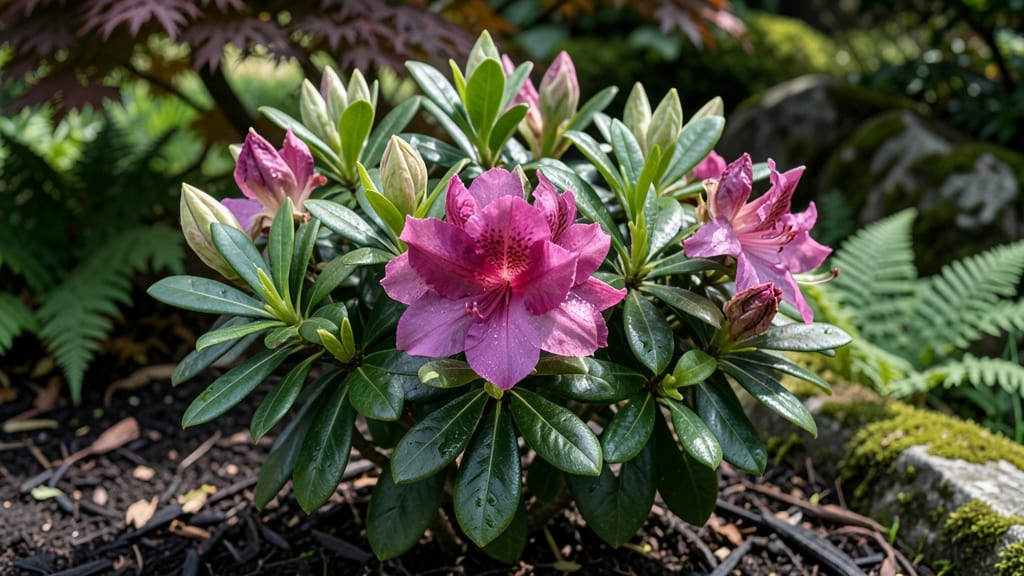
Some azalea varieties bloom three times a year when you use reblooming hybrids like 'Encore' or 'Knaphill', combine proper pruning techniques, and maintain consistent moisture and fertilizer levels. Unlike single-bloom azaleas, these hybrids are bred to produce multiple seasonal flushes with careful horticultural management.
These reblooming azaleas achieve their second and third blooms through a combination of genetic selection and precise growing conditions. 🌸 The key lies in their hybrid lineage—crosses between species like Rhododendron indicum and Rhododendron simsii create plants that respond to seasonal temperature shifts by producing new buds.
For example, 'Encore' azaleas often bloom in spring, summer, and fall when given the right care, while 'Knaphill' varieties might produce three distinct flushes if pruned correctly after each bloom cycle. The secret isn't just about the plant itself, but how you manage its environment year-round.
Most gardeners overlook the importance of post-bloom pruning—this is where the magic happens. After each flowering cycle, you should trim spent blooms back to the first set of healthy leaves, which encourages the plant to focus energy on developing new flower buds rather than seed production.
Combine this with acidic soil (pH 4.5-6.0) and regular applications of balanced fertilizer (10-10-10 or similar) during active growing seasons, and you'll create the perfect conditions for multiple blooming cycles. The result? A shrub that delivers color from spring through fall with minimal extra effort.
💡 In This Article
- How Azalea Varieties Break the Blooming Rule
- Step-by-Step Guide to Encouraging 3 Blooms in Azaleas
How azalea varieties break the blooming rule
Most azaleas follow nature's script, blooming just once a year in spring, but reblooming varieties like 'Encore' and 'Knaphill' defy this rule through careful genetic engineering.
These hybrids are typically crosses between Rhododendron indicum (Indian azalea) and Rhododendron simsii (Chinese azalea), which creates plants with a unique ability to produce multiple flower flushes.
The key lies in their hormonal balance—these varieties maintain higher levels of auxin (a growth hormone) and cytokinins (cell division hormones) throughout the growing season, allowing them to form new flower buds after each bloom cycle. 🌸 Unlike single-bloom azaleas that allocate energy toward seed production after flowering, rebloomers redirect that energy into new flower development.
The science behind this involves photoperiodism—the plant's response to daylight changes. Reblooming azaleas are bred to be less sensitive to the shorter days of fall and winter, which triggers dormancy in most plants. Instead, they continue producing flower buds when given consistent moisture and nutrients.
For example, 'Encore' azaleas often bloom in spring (March-April), summer (June-July), and fall (September-October) when grown in USDA zones 7-9. This three-season performance is what makes them stand out in gardens where most azaleas would be dormant by summer.
What most gardeners don't realize is that these varieties require specific environmental cues to trigger each bloom cycle. The first flush typically occurs naturally in spring when temperatures rise and days lengthen.
The second bloom requires careful management—pruning immediately after the first flowers fade removes spent blooms and stimulates new growth. The third bloom often appears in fall when the plant receives a final burst of nutrients and protection from early frosts.
Without this precise timing, the plant may skip one or more blooming cycles.
Soil conditions play a crucial role in this process. Reblooming azaleas thrive in acidic soil (pH 4.5-6.0), which mimics their natural forest-floor habitat. The acidity helps them absorb essential nutrients like iron and manganese, which are vital for flower production.
In alkaline soils (pH above 7.0), these nutrients become unavailable, leading to poor blooming performance. Many gardeners unknowingly stunt their azaleas' potential by planting them in soil that's too basic—this is why even reblooming varieties may fail to produce multiple flushes.
Another fascinating aspect is how these hybrids respond to temperature fluctuations. Unlike single-bloom azaleas that enter dormancy when nights cool below 50°F, rebloomers can continue flowering if protected from hard frosts. This is why winter protection—such as using burlap wraps or mulching—is essential for maintaining their blooming schedule.
The ability to withstand cooler temperatures while continuing to produce flowers is a direct result of their hybrid vigor, making them more adaptable than their single-bloom counterparts.
Consider the 'Knaphill' hybrid series as a prime example. These azaleas were developed in the early 20th century by crossing Rhododendron indicum with Rhododendron obtusum, creating plants that could handle the UK's maritime climate while producing three distinct blooming periods.
Their success demonstrates how horticultural science can manipulate natural blooming cycles to create garden plants that perform beyond typical expectations. 💫