
Blooming
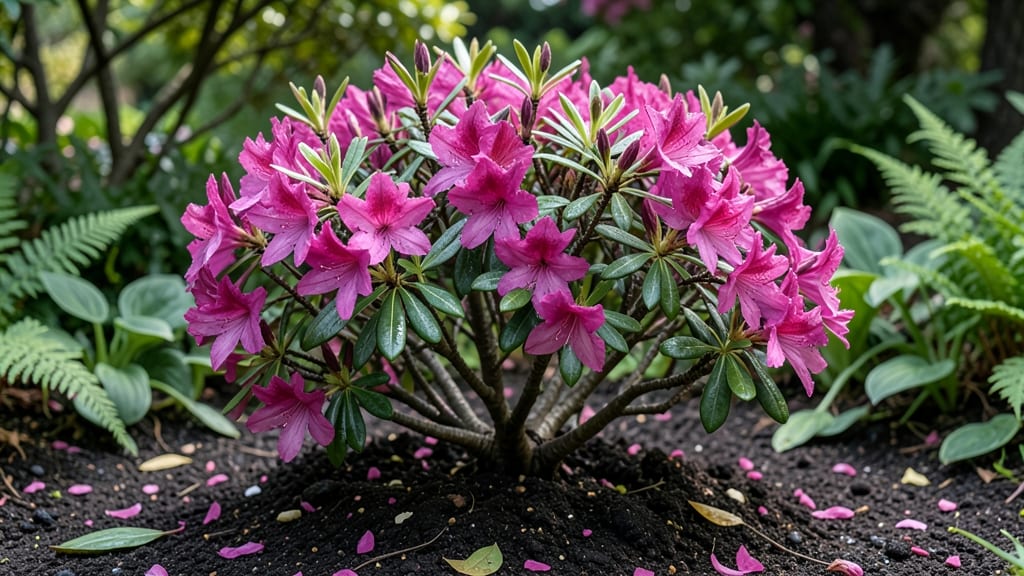
Those azaleas that bloom multiple times a year can transform your garden into a year-round floral spectacle with the right varieties and care. 🌸 I’ve watched my ‘George L. Taber’ rebloom in late summer after a spring flush, and the secret lies in choosing heat-triggered cultivars and adjusting your routine. Most gardeners focus on spring blooms, but reblooming azaleas need consistent moisture, balanced fertilizer, and strategic pruning after flowers fade. Evergreens like ‘Girard’s II’ handle heat better than deciduous types, and mulching keeps roots cool in summer. By late summer, you’ll spot new buds forming at the tips of last year’s growth—proof the plant is gearing up for another show. The key is patience: reblooming takes 2-3 seasons to perfect, but the payoff is worth it. Works in zones 6-9 with proper adjustments. Here’s how to set it up right from the start.
📚 In This Guide
- What you need
- Instructions
- Tips and common mistakes
- Wrapping up and next steps
What you need
- ● Azalea plants: Heat-tolerant, reblooming varieties (e.g., Kniphonia, Girard’s Hybrid, or Encore series). Quantity: 1–3 plants (depending on garden size).
- ● Note: Ensure they’re labeled as "reblooming" or "ever-blooming" for best results.
- ● Potting soil or garden soil: Well-draining, acidic (pH 4.5–6.0) mix (e.g., peat-based or pine bark blend). Quantity: 2–3 bags (50 lbs each) for in-ground planting.
- ○ Optional: Add sulfur or pine fines to adjust pH if needed.
- ● Fertilizer: Slow-release, acid-loving plant fertilizer (e.g., Miracle-Gro Azalea, Camellia & Rhododendron). Quantity: 1–2 bags (10 lbs each).
- ○ Optional: Liquid iron chelate (for yellowing leaves) or Epsom salt (for magnesium).
- ● Mulch: Pine straw, wood chips, or pine bark (to retain moisture and acidity). Quantity: 2–3 bags (2 cubic feet each).
- ● Tools: Pruning shears (sterilized, sharp blades).
- ● Garden trowel or spade (for planting/transplanting).
- ● Watering can or hose (with a gentle spray nozzle).
- ○ Optional: Soil pH tester kit, heat mat (for container gardening), or shade cloth (for summer protection).
- ● ✅ Full sun to partial shade (6+ hours of light, but afternoon shade in hot climates).
- ● ✅ Consistent moisture (never soggy—rebloomers hate "wet feet").
- ● ✅ Proper winter chill (30–60 days below 45°F/7°C for dormancy). Pro tip: If you’re in a warm-winter zone, simulate chill with a refrigerator or cool garage for 4–6 weeks in late fall! 💡
- ● ✅ Heat tolerance (avoid varieties like Korean azaleas—they’re heat-sensitive!).
How to encourage azaleas to bloom multiple times a year
Here's the method I've perfected to coax azaleas into a second flush of blooms—no fancy tricks, just science-backed care.
🌿 Step 1: Select the Right Azalea Varieties
Not all azaleas rebloom—focus on Korean, Japanese, or Evergreen azaleas like 'Girard's Pink', 'Hino Crimson', or 'Bow Bells'. These varieties naturally produce two sets of flower buds: the first in spring and a second triggered by summer heat. Avoid Rhododendron species—they bloom only once.
Check your plant's label or ask your nursery for "reblooming" or "repeat-flowering" azaleas. If you're unsure, look for plants with two distinct sets of buds—the first set will open in spring, and the second will form later. This visual cue tells you the genetics are right for reblooming.
☀️ Step 2: Master Light and Temperature Balance
Azaleas need morning sun and afternoon shade—at least 4-6 hours of direct light daily. Too much sun scorches blooms, while too little starves the plant of energy for reblooming. I position mine under high-canopy trees where they get dappled light but never harsh afternoon rays.
Reblooming hinges on temperature: after the first flush fades, wait until daytime temps hit consistently above 75°F for at least two weeks. This heat shock triggers the second set of buds. If summer stays cool, the plant won’t rebloom—no amount of fertilizing changes that.
💧 Step 3: Water and Feed for Continuous Blooming
Keep the soil evenly moist but never soggy—azaleas hate dry spells or waterlogged roots. I water every 2-3 days in summer, checking by sticking my finger 2 inches deep—if it feels dry, it's time. Mulch with 2-3 inches of pine bark to retain moisture and mimic their acidic forest-floor habitat.
Feed with an acid-loving fertilizer (pH 5.0-5.5) every 4-6 weeks starting in early spring. I switch to a low-nitrogen, high-phosphorus formula (like 7-9-5) after the first blooms fade to encourage bud formation for the second flush. Over-fertilizing causes leaf burn and weakens reblooming potential.
✂️ Step 4: Prune Strategically After Each Bloom
Prune immediately after the first flush to shape the plant and remove spent blooms. Cut back 1/3 of the oldest stems to encourage new growth—this is where the second set of buds will form. Avoid heavy pruning in late summer, as new growth won’t harden off before winter.
For the second flush, I only remove wilted blooms and dead leaves—never prune stems after buds form. The goal is to let the plant focus energy on opening those buds, not healing pruning wounds. If you see buds forming but not opening, check for aphids or spider mites—these pests suck sap and cause buds to drop.
⏰ Step 5: Protect Buds During Late Summer Heat
Once second buds form (usually in late summer), shield them from sudden temperature drops or hot afternoon sun. I drape lightweight shade cloth over the plant if temps spike above 90°F for more than a day. Buds need stable warmth (65-75°F) to open properly.
Watch for bud blast—when buds form but never open due to stress. This happens if the plant gets too dry, too hot, or too cold. If it occurs, reduce watering slightly (azaleas often rebloom poorly if overwatered at this stage) and move the plant to a slightly shadier spot for the final blooming phase.
Tips & tricks for perfect azalea reblooming
These science-backed strategies will help you coax your azaleas into a stunning second flush—no guesswork required.
Variety Verification: When selecting azaleas, look for plants labeled as "reblooming" or "repeat-flowering" like 'Girard's Pink' or 'Bow Bells'. The key visual clue is two distinct sets of buds: the first set opens in spring, and the second forms later. If you're unsure, ask your nursery to point out plants with this double-bud structure—it's the genetic guarantee you're looking for.
Light Positioning: The 4-6 hours of morning sun is critical, but placement matters just as much. I've found that positioning azaleas under high-canopy trees creates the perfect dappled light effect—bright morning rays followed by gentle afternoon shade. If you're planting in full sun, consider using shade cloth during peak afternoon hours (especially in hot climates) to prevent scorching.
Temperature Timing: That 75°F threshold isn't just a number—it's the heat shock your azaleas need to trigger second buds. I track my local weather and wait until daytime temps hit 75°F consistently for at least two weeks before expecting buds to form. Pro tip: Use a small digital thermometer near your plants to confirm the exact microclimate temperature, as urban areas can be 5-10°F warmer than rural zones.
Fertilizer Transition: The switch to low-nitrogen, high-phosphorus fertilizer (like 7-9-5) after the first bloom is crucial for bud formation. I make this change right after removing spent blooms in Step 4. Remember that azaleas are sensitive to over-fertilizing—apply only what's recommended, and always water thoroughly after fertilizing to prevent root burn.
Pro Tips for Azaleas That Bloom Multiple Times A Year
- These science-backed strategies will help you coax your azaleas into a stunning second flush—no guesswork required.
- Variety Verification: When selecting azaleas, look for plants labeled as "reblooming" or "repeat-flowering" like 'Girard's Pink' or 'Bow Bells'.
- Light Positioning: The 4-6 hours of morning sun is critical, but placement matters just as much.
Frequently asked questions
Got questions about azaleas that bloom more than once a year?
You’re not alone! Here are some of the most common queries—and their answers—to help you grow a stunning reblooming azalea garden with ease.
How do I encourage my azalea to bloom multiple times?
Reblooming azaleas thrive with consistent care. After the first flush of spring blooms, prune spent flowers and feed with an acidic, high-phosphorus fertilizer (like 10-30-20). Keep soil moist but well-draining, and provide partial shade—especially in hot climates. Heat-tolerant varieties (like 'Girard’s' or 'Southern Indica') are your best bet!
When will my azalea rebloom after the first flowers fade?
Most reblooming azaleas take 6–12 weeks after the first bloom cycle to produce a second flush. Timing depends on variety, climate, and care. In warm regions, you might see late summer or fall blooms (August–October), while cooler zones may delay reblooms until early spring again. Patience pays off!
Can I force a third or fourth bloom in one year?
While two blooms per year are achievable, a third or fourth is rare but possible with intensive care. Focus on gradual pruning (never more than 1/3 of the plant at once), consistent watering, and monthly acidic fertilizer (like cottonseed meal). However, over-stressing the plant can weaken growth—balance is key!
What’s the easiest reblooming azalea for beginners?
Start with 'Knock Out' series (like 'Rhapsody' or 'Pinky Winky')—they’re low-maintenance, disease-resistant, and bloom spring through fall with minimal effort. Another great pick: 'Southern Indica' varieties, which handle heat and humidity beautifully. Both thrive in USDA Zones 6–9.
Why did my azalea bloom once but not rebloom?
Common culprits include over-pruning (removing too many buds), nutrient deficiencies (lack of phosphorus or iron), or stress from extreme heat/drought. Check soil pH (4.5–6.0 is ideal), mulch to retain moisture, and avoid heavy pruning after the first bloom. If buds form but drop, it may be thrips or spider mites—treat with neem oil!
Do reblooming azaleas work in cold climates?
Yes! While they prefer mild winters, some varieties (like 'Hino Crimson' or 'Bow Bells') tolerate USDA Zone 5 with proper winter care. Mulch heavily in fall, water before freezing, and plant in sheltered spots. Expect one main bloom cycle (spring) with lighter reblooms in summer.
Wrapping up and next steps
Transforming your azaleas into year-round bloomers isn’t just possible—it’s an exciting challenge that rewards patience and care! 🌸 By selecting the right varieties (like Kumano or George L. Taber), mastering heat-triggered rebloom techniques, and staying consistent with pruning and fertilization, you’ll enjoy vibrant flowers well beyond their typical spring display.
The secret? Understanding their needs and adapting your garden strategy to their rhythm.
Ready to put your newfound knowledge into action? Start by identifying the best reblooming azalea for your climate and sketching a simple care plan. Whether you’re a seasoned gardener or just beginning, every bloom is a step closer to that dream garden—so grab your shears and get planting! 🌿