
Blooming
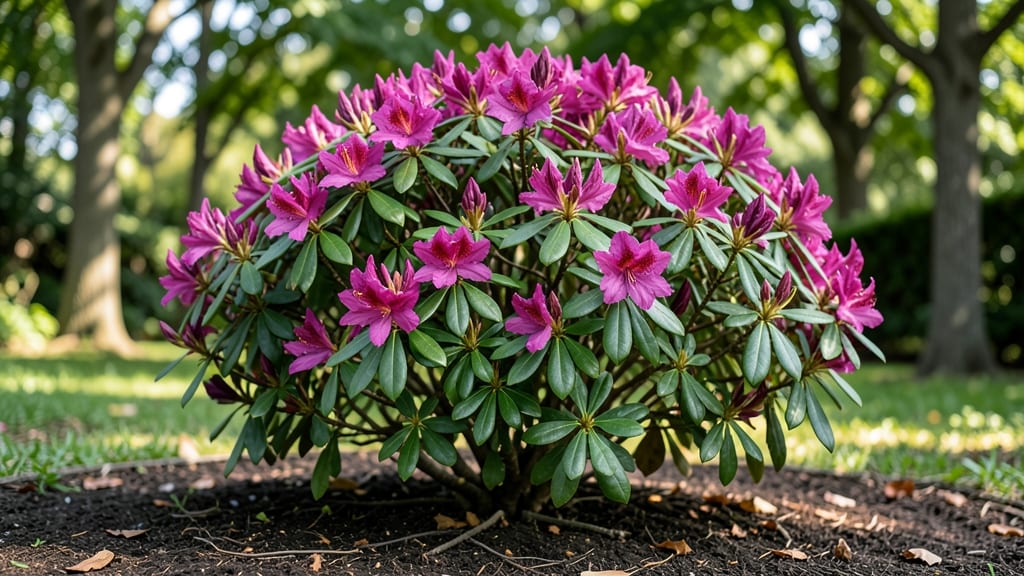
The azalea bush bloom time can be frustratingly unpredictable—even when you nail watering and sunlight—because soil pH and climate work behind the scenes to set the stage. If your azaleas bloom late—or not at all—you might be overlooking the hidden factor controlling their timing: soil acidity.
A pH outside the ideal range (4.5–6.0) can delay blooms by weeks, even with perfect light and water.
In this guide, I’ll show you how to test your soil’s pH, adjust it for perfect bloom timing, and even push blooms earlier or extend their season. Whether you’re in Zone 6a or another region, these soil secrets will transform your azaleas’ performance.
You’ll also discover the best amendments to use, regional climate tweaks, and complementary plants to pair with your blooming shrubs for a show-stopping display.
How soil pH directly controls azalea bloom time
If your azalea bushes are struggling to bloom on time—or at all—the answer might be lurking just beneath the surface. Azaleas thrive in acidic soil with a pH between 4.5 and 6.0, a range that triggers the exact hormonal signals needed for vibrant, timely blooms.
When soil pH strays outside this window, your azaleas may produce fewer flowers, delay blooming, or skip flowering entirely. The good news? Adjusting your soil’s acidity can shift bloom timing by weeks or even months, giving you control over when your garden bursts into color.
Soil pH isn’t just about fertility—it’s the hidden regulator of azalea bloom cycles. In acidic conditions, plants absorb iron, manganese, and phosphorus more efficiently, nutrients directly linked to flower bud formation.
When pH rises above 6.0, these nutrients become locked away, starving your azaleas of the building blocks they need for blooms. Even a slight shift from 5.5 to 6.5 can delay flowering by 3–4 weeks, turning a spring spectacle into a late-summer surprise.
Testing your soil’s pH is the first step toward predictable blooming. Grab a soil pH test kit (digital or liquid) and sample soil from 3–4 inches deep around your azalea’s root zone. For the most accurate results, test in early spring before fertilizing or in late summer after blooming.
If your reading falls below 4.5, your azaleas may suffer from aluminum toxicity, while readings above 6.0 signal nutrient deficiencies that stunt flower production.
Here’s the critical connection between pH and bloom timing: azaleas native to USDA Zones 4–9 rely on cool, moist soil in late winter to early spring to trigger bud formation. If your soil pH is too high, this process stalls, pushing blooms later into the season.
Conversely, maintaining the ideal 4.5–6.0 range ensures your azaleas receive the nutrient kickstart they need to bloom right on schedule—typically March–April for spring varieties or September–October for fall bloomers.
| pH Range | Bloom Impact | Adjustment Needed | Season to Act |
|---|---|---|---|
| Below 4.5 | Delayed blooms, stunted growth | Add lime (1–2 lbs per 100 sq ft) | Late summer/fall |
| 4.5–6.0 | Optimal bloom time, vibrant flowers | None (ideal range) | Maintain year-round |
| 6.1–7.0 | Late blooms, fewer flowers | Add sulfur (1–2 lbs per 100 sq ft) | Early spring or fall |
| Above 7.0 | No blooms, leaf yellowing | Peat moss + iron sulfate | Early spring |
For gardeners aiming for earlier blooms, focus on fall pH adjustments. By lowering pH to the 5.0–5.5 range in September, you’ll give your azaleas a head start on nutrient uptake, encouraging buds to form sooner.
To extend bloom season, maintain a consistently acidic environment (pH 5.0–5.5) from late winter through early summer. This trick works especially well for fall-blooming varieties, pushing their color show into November when most gardens have gone dormant.
Seasonal pH shifts are your secret weapon for custom bloom timing. In Zone 6a, where frost dates bookend the growing season, aim to adjust soil pH in late August for spring bloomers or mid-May for fall varieties.
For example, adding elemental sulfur (1 lb per 100 sq ft) in early spring can lower pH by 1–2 points over 2–3 months, priming your azaleas for a March bloom instead of April. Always water thoroughly after amending to activate changes.
Don’t overlook the organic route for pH control. Pine needles, oak leaves, and coffee grounds naturally acidify soil over time, making them ideal for long-term maintenance. Spread a 2-inch layer of pine needles around your azaleas in late fall—they’ll decompose slowly, keeping pH in check without drastic swings.
For quicker results, mix peat moss into the top 6 inches of soil in early spring; it’s a neutral amendment that buffers pH while improving drainage.
Pro tip: Pair pH adjustments with seasonal mulching. A 3-inch layer of pine bark mulch not only suppresses weeds but also slowly releases acids that lower soil pH by 0.5–1.0 points per year.
Reapply mulch annually in late winter to maintain the ideal range for bud formation. Avoid wood chips from
Best soil amendments to adjust pH for faster blooms
Azaleas thrive when soil pH stays between 4.5 and 6.0. If your bushes bloom late or sparsely, your soil might be too alkaline. The right soil amendments can shift pH quickly or gradually, depending on your bloom goals.
For earlier blooms, aim for a slightly lower pH in early spring. For longer blooms, maintain consistent acidity throughout the season.
Organic amendments like pine needles and peat moss work slowly but improve soil structure long-term. Synthetic options such as aluminum sulfate or elemental sulfur deliver faster results. Each has trade-offs—some raise costs, others risk over-acidifying. Let’s break down the best choices for your garden.
Soil Amendment Showdown
- ✅ Slow-release acidity (3–6 months)
- ✅ Improves drainage and soil texture
- ✅ Budget-friendly (free if sourced locally)
- ❌ Slow results (not ideal for urgent fixes)
- ❌ Limited pH drop (~0.5–1.0 points)
- ✅ Fast-acting (1–3 months for full effect)
- ✅ Precise control over pH adjustments
- ✅ Long-lasting in soil
- ❌ Risk of over-acidification if overused
- ❌ Higher cost than organic options
- ✅ Holds moisture while acidifying
- ✅ Improves aeration for roots
- ✅ Balanced pH drop (~0.5–1.0 points)
- ❌ Depletes over time (needs replenishing)
- ❌ Environmental concerns (peat harvesting)
- ✅ Rapid pH drop (visible in weeks)
- ✅ Cost-effective for large gardens
- ✅ Soluble (easy to mix into soil)
- ❌ Can burn roots if overapplied
- ❌ Short-term fix (requires reapplication)
For immediate blooms, mix 1 lb of aluminum sulfate per 100 sq ft into the top 6 inches of soil in early spring. Reapply every 3–4 months to maintain acidity.
If you prefer organic methods, spread 2–3 inches of pine needles around the base and work them into the soil. This takes longer but builds soil health over time.
To extend bloom time, combine peat moss and sulfur for a balanced approach. Mix 1 part peat moss to 2 parts garden soil and top-dress with ½ lb of sulfur per bush in late winter.
This combo ensures steady acidity without shocking the roots. Test soil pH every 6 months to adjust as needed.
Pro tip: Pair amendments with mulch (like pine bark) to preserve moisture and slow acidification. Avoid synthetic fertilizers with high lime content—they’ll counteract your pH efforts. With the right mix, your azaleas will bloom earlier, longer, and more vibrantly than ever.
🌸