
Blooming
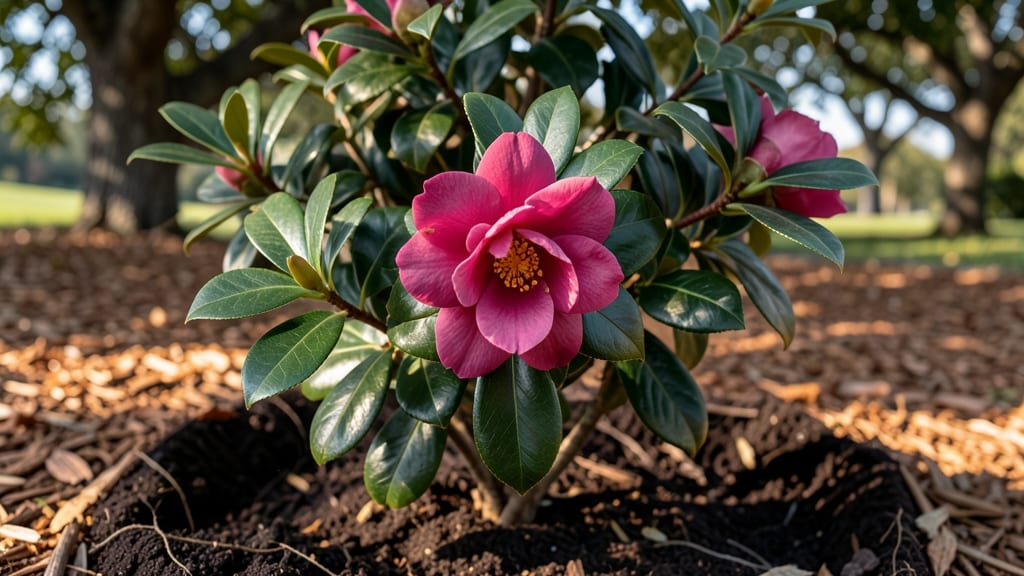
Winter’s quiet magic comes alive when the camellia bush blooms in winter, its waxy petals defying frost with shockingly lush displays that last for weeks. 🌿 I've learned the hard way that these winter stars need specific care to keep flowering—too much sun, not enough water, or wrong pruning timing, and you'll end up with sparse blooms or no flowers at all.
The secret lies in understanding their natural rhythm: they bloom when other plants sleep, and their care must adapt to that.
First, protect them from late-season freezes—camellias can handle 20-25°F but not prolonged frost. Mulch heavily around the base and consider frost cloth for young plants. Water consistently but avoid soggy soil; winter drought stress is a silent bloom killer.
After blooms fade, prune only dead or crossing branches—never in spring, or you'll sacrifice next year's flowers. The key is patience: camellias reward careful winter maintenance with months of fragrance and color when others are bare.
Your reward for winter care will be bold, velvety blooms that turn heads from December through March. The fragrance alone—sweet, citrusy, or even spicy—makes winter walks through the garden unforgettable.
With the right approach, your camellia will become the showstopper of your landscape, year after year. Here's how to keep it thriving through the cold months.
Climate matters: Southern gardeners get more blooms with less fuss, while Northern growers may need microclimate protection. In all cases, soil acidity (aim for 5.5-6.5 pH) and regular feeding with acid-loving plant fertilizer in early spring are non-negotiable.
The payoff? A camellia bush that looks like it belongs in a botanical garden, not just your backyard.
📚 In This Guide
- What you need
- Instructions
- Tips and common mistakes
- Wrapping up and next steps
What you need
- ● Camellia plants: Choose Camellia japonica or Camellia sasanqua (hardy to USDA Zones 7-10). Opt for 3-5 year-old bushes (1.5–3 ft tall) for best winter blooming.
- ● Well-draining soil: Mix 2 parts peat moss or coconut coir, 1 part perlite, and 1 part compost (pH 5.5–6.5). Test soil acidity with a soil pH test kit.
- ● Organic mulch: 3–4 inches of pine bark, wood chips, or shredded leaves to insulate roots.
- ● Slow-release fertilizer: 10-10-10 or 8-3-9 (acid-loving plant formula) applied twice a year (early spring & late summer).
- ● Watering can or hose: With a rose nozzle for gentle, deep watering.
- ● Pruning shears: Bypass pruners (sharp, clean, and sterilized with rubbing alcohol).
- ● Garden trowel: For planting and soil amendments.
- ● Gloves: Heavy-duty work gloves to protect from thorns.
- ● Spray bottle: For neem oil solution (1 tsp neem oil + 1 quart water) to deter pests.
- ○ Frost cloth or burlap: Lightweight frost blankets (optional, for Zones 6 or colder).
- ● Sunlight: Partial shade (3–6 hours of morning sun, afternoon shade). Avoid harsh afternoon rays.
- ● Climate: Protect from hard freezes (<32°F/0°C). Use mulch and frost cloth as needed.
- ● Patience: Camellias take 2–3 years to establish and bloom reliably in winter.
Step-by-Step guide to encourage winter blooms on your camellia bush
Winter's chill doesn't have to mean dormant gardens—camellias thrive in cold seasons with the right care.
☀️ Step 1: Select the Perfect Winter Sun Exposure
Camellias need partial shade during winter—think 3-6 hours of morning sun and afternoon shade. Too much direct winter sun can scorch petals before they even open. I position mine where they get gentle morning light and afternoon protection from trees or a lattice screen. Watch for leaves turning yellow—this is your signal they're getting too much harsh light.
If your garden only offers full sun, install a 50% shade cloth during peak winter hours. The goal is to protect the delicate blooms while still letting enough light for photosynthesis. You'll see the difference in petal vibrancy within two weeks of adjusting their position.
💧 Step 2: Master the Winter Watering Technique
Winter watering is where most gardeners go wrong—camellias need consistent moisture but hate soggy roots. Water when the top 2-3 inches of soil feel dry—stick your finger in to check. I've found that watering in the late afternoon prevents evaporation overnight while giving roots time to absorb before nighttime chill sets in.
Use a soaker hose or drip irrigation to deliver water slowly at the base. Avoid overhead watering—wet foliage in freezing temps can lead to fungal issues. You'll know you're doing it right when the soil stays evenly moist but never waterlogged, and new buds stay plump and firm.
✂️ Step 3: Prune Strategically to Encourage Next Year's Blooms
Winter is the best time to prune camellias, but timing matters. Wait until after the first frost but before new growth begins in late winter. Remove only dead, crossing, or overcrowded branches—never cut into old wood where blooms form. I use clean, sharp pruners to make cuts just above a leaf node at a 45-degree angle.
Never prune more than one-third of the plant's foliage at once. You'll see the difference in next year's blooms—proper pruning encourages stronger stems and more abundant flowers. After pruning, apply a balanced fertilizer (like 10-10-10) to replenish nutrients lost during the process.
🌿 Step 4: Protect Against Late Winter Freezes
Camellias are cold-hardy, but late winter freezes can damage tender buds. When temperatures drop below 20°F, cover the plant with a lightweight frost cloth secured loosely at the base. Avoid heavy blankets that can trap too much heat and cause rot. I've found that removing the cover during the day when temps rise above freezing gives the plant a chance to recover.
Watch for signs of frost damage—buds may turn brown or leaves develop black edges. If you see this, prune the damaged areas immediately to encourage new growth. The key is to protect without smothering. With proper protection, your camellia will reward you with months of fragrant blooms even in winter's chill.
Tips & tricks for perfect winter camellia blooms
Winter camellia care isn't rocket science, but these pro tips will help you avoid common pitfalls and get the most stunning blooms possible.
Light Monitoring: The 3-6 hours of morning sun in Step 1 is crucial, but don't forget to watch for subtle signs of stress. If you notice leaves developing yellow edges by midday, even with partial shade, your camellia is getting too much harsh winter sunlight. Move it slightly deeper into shade or add temporary shade cloth for those peak afternoon hours when the sun is strongest. I've seen buds completely fail to open when plants were exposed to more than 6 hours of direct winter sun.
Soil Moisture Secret: When checking the top 2-3 inches of soil for dryness in Step 2, use your finger to press gently—camellia soil should feel like a well-wrung sponge, not bone dry or muddy. I've found that adding a 1-inch layer of organic mulch around the base helps maintain consistent moisture without overwatering. This mulch layer also acts as natural insulation against temperature fluctuations that can stress the roots.
Pruning Precision: That 45-degree angle cut in Step 3 is more important than you might think. It creates a larger surface area for new growth while preventing water from pooling on the cut, which can lead to rot. After pruning, I always wipe down the pruners with rubbing alcohol between cuts to prevent spreading any potential diseases between branches. And remember—never cut into old wood where next year's buds are forming!
Freeze Protection Strategy: The 20°F threshold in Step 4 is where most gardeners make mistakes. If you're expecting a hard freeze below 20°F, cover your camellia the night before—not just when the freeze hits. This gives the plant time to adjust slightly to the temperature change. I also recommend using a lightweight frost cloth that allows some airflow; completely sealing the plant can create too much humidity and encourage fungal growth.
Pro Tips for Camellia Bush Bloom In Winter
- Winter camellia care isn't rocket science, but these pro tips will help you avoid common pitfalls and get the most st...
- Light Monitoring: The 3-6 hours of morning sun in Step 1 is crucial, but don't forget to watch for subtle signs of st...
- Soil Moisture Secret: When checking the top 2-3 inches of soil for dryness in Step 2, use your finger to press gently...
Frequently asked questions
Got questions about keeping your camellia bush blooming beautifully through winter? Here are some answers to the most common queries—because winter magic shouldn’t come with a side of stress!
Can camellias bloom in freezing temperatures?
Yes! Many camellia varieties thrive in winter, especially in USDA Zones 7-10. While they prefer 50–70°F for peak blooms, some types (like Camellia sasanqua) can handle light frost. Just avoid heavy ice or prolonged sub-freezing temps—mulch and winter blankets help protect roots!
Why aren’t my camellias blooming in winter?
Several factors could be at play: over-fertilizing (too much nitrogen = fewer flowers), poor light (they need partial shade), or pruning at the wrong time (never trim after buds form!). Check for bud blast (brown buds) too—this often signals fungal issues or stress.
What’s the best way to extend winter blooms?
Start with regular deadheading (remove spent blooms) to encourage new flowers. Water consistently (but avoid soggy soil) and apply a balanced fertilizer (like 10-10-10) in early spring. For extra winter color, plant Sasanqua camellias—they bloom earlier and longer than their spring-loving cousins!
How do I protect camellias from winter damage?
Wrap young plants in burlap or use frost cloth for heavy freezes. Mulch (3–4 inches of wood chips) insulates roots, and avoid winter pruning—wait until late spring to shape the bush. If snow piles up, gently brush it off branches to prevent breakage!
What are good winter-blooming alternatives to camellias?
If camellias aren’t your style, try these winter-flowering stars:
- Hellebores (Lenten roses): Blooms Jan–March, shade-loving, and deer-resistant.
- Winter jasmine: Bright yellow flowers in late winter, thrives in sun.
- Daphne: Fragrant clusters in Jan–Feb, but needs well-draining soil.
- Mahonia: Yellow blooms + holly-like leaves, great for slopes.
Pro Tip:
For extra-long blooms, plant Camellia ‘Yuletide’ (Sasanqua) or ‘Winter’s Star’—both are bred to handle cold and keep flowering from November to March! Pair them with evergreen shrubs (like boxwood) for year-round structure.
Wrapping up and next steps
Watching your camellia bush bloom in winter is like having a burst of sunshine in the coldest months—pure magic! 🌸 These frost-defying beauties not only brighten your garden but also reward you with months of fragrant blooms and lush foliage.
Whether you're a seasoned gardener or just starting, their resilience and elegance make them a must-have for any winter landscape.
Ready to turn your outdoor space into a fragrant winter paradise? Start by choosing the right variety for your climate, then give your camellia the love it deserves with proper care. Plant it, prune it, and watch as it transforms your garden into a year-round sanctuary of color and scent!