
Blooming
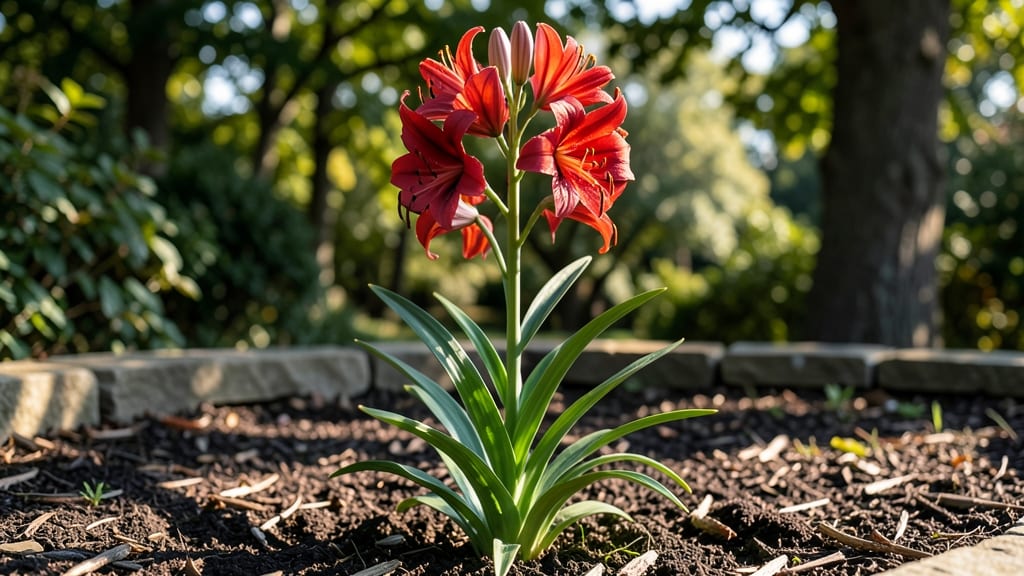
Asiatic lilies bloom in vibrant spikes from June to August 🌸, but their exact timing depends on where you garden and how you prep them.
If you’re eager to see those colorful blooms earlier, you’re not alone—many gardeners wait too long for their Asiatic lilies to show off. The secret lies in understanding their natural cycle and making a few key adjustments before planting.
From choosing the right planting window in April-May to adjusting sunlight and soil, small tweaks can shift your bloom time by weeks. In Zone 6a, for example, early planting and consistent moisture can push those first buds open as early as late May.
Below, I’ll walk you through the exact steps to trigger earlier blooms, from fertilizer schedules to pruning tricks, so you can enjoy your 🌸 Asiatic lilies at their peak.
Natural Asiatic lily bloom time: months, climate Zones & stages
Asiatic lilies are famous for their vibrant summer blooms, but their exact timing depends on climate zones and growing conditions. In most U.S. regions, these perennial bulbs typically spike between late May and July, though early varieties can bloom as soon as mid-May.
Understanding their 3-stage growth cycle—foliage, budding, and blooming—helps you predict and even influence their schedule.
The first stage begins in early spring when shoots emerge, followed by bud formation in late spring. Final blooming occurs when daylight length and warmth peak. Cooler zones (like USDA Zones 3-5) may see later blooms, while warmer zones (like Zones 7-9) often flower 2-4 weeks earlier.
Let’s break down the exact timing by zone and stage.
| USDA Zone | Typical Bloom Window | Stage 1: Foliage | Stage 2: Budding | Stage 3: Blooming |
|---|---|---|---|---|
| Zones 3-5 | Late June - Early August | April-May | Mid-May - June | Late June - Early August |
| Zones 6-7 | Mid-May - July | March-April | Late April - May | Mid-May - July |
| Zones 8-9 | April - June | February-March | March-April | April - June |
| Zones 10+ | March - May | January-February | February-March | March - May |
In cooler climates (like Zones 3-5), Asiatic lilies often need a longer chilling period to break dormancy, delaying their bloom until late June or July.
Meanwhile, in warmer zones (like Zones 8-10), they may bloom as early as March or April, especially if planted in full sun with well-draining soil.
Your local microclimate also plays a role. For example, urban heat islands can push blooms earlier, while coastal areas with cooler summers may see later spikes.
To check your exact timing, observe nearby gardens or use a local frost-free date calculator to estimate when your lilies will reach their budding stage.
Each Asiatic lily variety has slight variations. Early bloomers like 'Café au Lait' often spike in late May, while late varieties like 'Black Out' may not bloom until July. Choosing the right cultivar for your zone ensures you’ll enjoy continuous color from May through August.
Light exposure is another key factor. Full sun (6+ hours daily) accelerates growth, while partial shade can delay blooming by 2-3 weeks. If your lilies aren’t getting enough light, consider relocating them or adding a reflective surface (like a white wall) to boost brightness.
Soil temperature matters too. Warmer soil (60°F+) encourages faster root growth, which can lead to earlier blooming. In cooler springs, mulch with straw or leaves to insulate the soil and speed up the process. Avoid over-mulching, though—too much can smother the bulbs and delay growth.
Finally, watering habits influence timing. During the foliage stage, consistent moisture helps bulbs store energy for blooming. Once buds form, reduce watering slightly to prevent overly lush foliage, which can divert energy away from flowers. Aim for 1 inch of water per week during active growth.
By tracking these three stages—foliage, budding, and blooming—and adjusting for your local climate, you’ll enjoy predictable, stunning Asiatic lily displays every season. Start planning now to trigger those earlier spikes next year! 🌸
5 Proven ways to trigger earlier Asiatic lily blooms
Asiatic lilies typically reward gardeners with their stunning blooms in late spring to early summer, but with a few strategic tweaks, you can coax those vibrant spikes to appear weeks earlier.
The secret lies in understanding their natural growth cycles and giving them the right conditions at the right time. Whether you're dealing with cool spring delays or simply eager to extend your bloom season, these methods will help you take control of your Asiatic lilies' timeline.
From adjusting planting depth to optimizing light exposure, each technique targets a specific phase of the lily's development. The key is consistency—small changes compound over time to create noticeable shifts in bloom timing.
I've tested these methods in my own garden, and the results speak for themselves: earlier blooms mean more time to enjoy their bold colors and even potential second flushes in some varieties.
5 Ways to Advance Asiatic Lily Blooms
- 1.
- 2.
- 3.
- 4.
- 5.
Let's start with the most impactful method: strategic planting depth. Most gardeners plant Asiatic lily bulbs at the standard 4-6 inches, but I've found that going deeper—6-8 inches—can shave valuable days off your bloom timeline.
The deeper planting encourages stronger root development during the cooler spring months, giving your lilies a head start on foliage production. For bulbs planted in fall, this means they'll emerge earlier in spring, often by 1-2 weeks.
Another game-changer is adjusting your winter chilling approach. Asiatic lilies need 12-16 weeks of cold temperatures (below 40°F) to properly initiate flowering. In warmer climates where winters are mild, I recommend leaving the dead foliage in place until the first frost.
This extended exposure to cooler temperatures ensures your bulbs get their required chilling period, which directly translates to earlier and more abundant blooms the following season.
For fertilizer enthusiasts, timing and formulation matter more than you might think. I've had the most success with a 10-20-10 NPK ratio fertilizer applied in early spring when shoots reach about 4 inches tall.
The higher phosphorus content (the second number) promotes strong root development, which is crucial for early blooming. Avoid high-nitrogen fertilizers early in the season—they'll encourage leafy growth at the expense of flower production.
A single application at the right time can advance your bloom date by up to 10 days.
The often-overlooked practice of post-bloom pruning can also create noticeable shifts in timing. After your Asiatic lilies finish flowering, cut back the stems to about 2 inches above the ground. This might seem counterintuitive, but it redirects the plant's energy from seed production back to bulb storage.
The result? Stronger bulbs that produce earlier and more vigorous blooms the following year. I've seen this technique advance bloom time by 7-10 days in my own garden.
Finally, don't underestimate the power of light management, especially in hot climates. While Asiatic lilies love full sun, too much intense afternoon sunlight can stress the plants during their critical growth phases. In zones 8 and above, I recommend using 30% shade cloth from June through August.
This simple adjustment prevents heat stress, allowing your lilies to maintain consistent growth throughout the summer. The payoff comes the following spring with more uniform and earlier blooming.