
Blooming
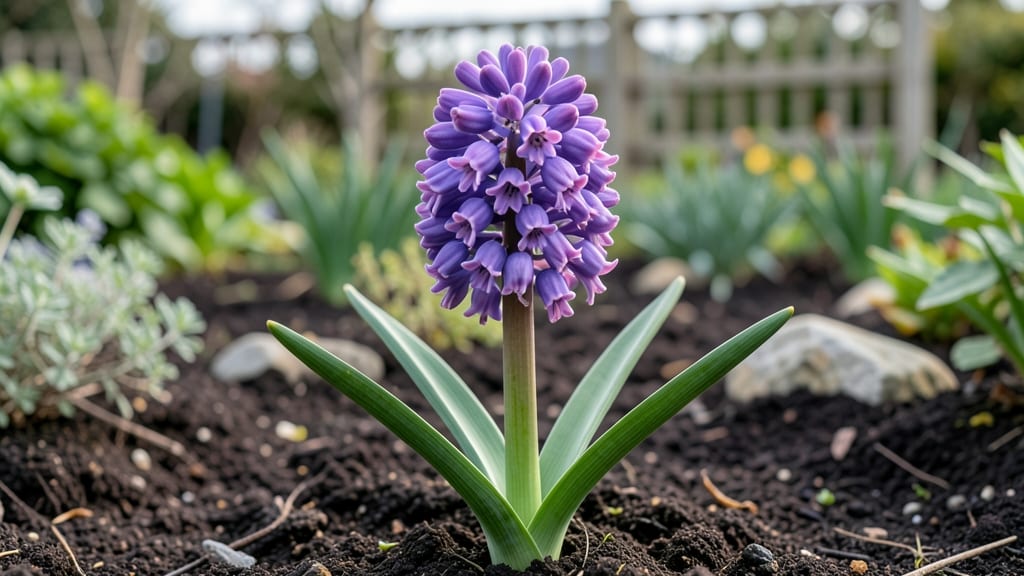
Imagine walking into your home in late winter and being greeted by fragrant, vibrant hyacinth blooms—six weeks before spring officially arrives. Forcing hyacinth bulbs indoors is a time-honored tradition that brings early color and joy to any garden enthusiast.
If you're in USDA Zone 6a, outdoor blooms typically appear in April or May, but with the right technique, you can coax them into flowering as early as February. The key is understanding their natural cycle and giving them the chilling period they need.
In this guide, I’ll walk you through everything from selecting the right bulbs to forcing them indoors for a head-start on spring, plus tips to keep them thriving once they bloom.
How to force hyacinth blooms indoors for early spring color
Forcing hyacinth bulbs indoors lets you enjoy their fragrant blooms up to 6 weeks before outdoor spring planting. This technique mimics natural winter chilling, tricking bulbs into blooming early. With the right timing and care, you can transform simple bulbs into stunning indoor centerpieces that brighten up dark winter days.
Hyacinths thrive when given the proper chilling period and light exposure. The key is selecting healthy bulbs, providing consistent moisture, and ensuring they receive adequate sunlight after chilling. Whether you're a beginner or experienced gardener, forcing hyacinths is a rewarding project that delivers immediate results.
Step-by-Step Guide to Forcing Hyacinths
- Step 1: Select healthy bulbs with firm, intact skins and no signs of mold or soft spots. Choose bulbs labeled for forcing.
- Step 2: Place bulbs in a container with well-draining soil or a mix of sand and peat moss. Ensure the top of the bulb is exposed.
- Step 3: Chill bulbs for 10-12 weeks at 35-45°F (2-7°C). Store in a dark, cool place like a refrigerator (not the crisper drawer).
- Step 4: After chilling, move bulbs to a bright, sunny location (e.g., south-facing window) and water lightly to encourage sprouting.
- Step 5: Once stems reach 2-3 inches tall, increase watering and place in a cooler spot to slow growth and prolong blooms.
- Step 6: Enjoy blooms for 1-2 weeks before bulbs fade. After blooming, fertilize lightly to encourage future growth.
Timing is critical for forcing hyacinths. Start the chilling process in late summer or early fall (around September-October) to ensure blooms appear by late winter or early spring. For example, if you want blooms by Valentine's Day, begin chilling in early November.
Use a lightweight potting mix to avoid compacting the soil around bulbs. A mix of 50% peat moss and 50% perlite works well, as it promotes drainage while retaining enough moisture. Avoid heavy garden soil, which can suffocate roots and lead to rot.
Light is another critical factor. After the chilling period, place your hyacinths near a south-facing window where they can receive 6-8 hours of sunlight daily. If natural light is insufficient, supplement with a grow light to prevent leggy stems and weak blooms. Rotate the pot occasionally for even growth.
Watering should be gentle but consistent. Keep the soil moist but not soggy during the chilling phase, then increase watering slightly once stems emerge. Overwatering can cause bulbs to rot, while underwatering may stunt growth. Aim to water when the top inch of soil feels dry to the touch.
Once your hyacinths bloom, enjoy their intense fragrance and vibrant colors. To prolong their beauty, place them in a cooler room (around 60-65°F or 15-18°C) and avoid direct heat sources like radiators. After blooming, you can transplant the bulbs outdoors in late spring for another season of growth.
Forcing hyacinths is a fantastic way to bring a touch of spring indoors early. With patience and the right conditions, you’ll be rewarded with stunning, fragrant blooms that lift your spirits during the coldest months. Try experimenting with different varieties to see which ones thrive best in your home.
Best hyacinth varieties for forced indoor blooming and their bloom times
Choosing the right hyacinth variety for indoor forcing can transform your winter into a burst of color and fragrance. Not all cultivars thrive equally indoors, so selecting the best ones ensures reliable blooms and minimal fuss.
The key lies in understanding each variety's fragrance intensity, bloom duration, and how they respond to chilling periods—critical factors for forcing success.
Forced hyacinths typically bloom 6-8 weeks after chilling, making them perfect for late winter displays. Varieties like 'Anna Marie' and 'Woodstock' are favorites among gardeners because they deliver long-lasting blooms with intense fragrance.
Meanwhile, 'Blue Jacket' stands out for its striking color and compact growth habit, ideal for smaller spaces or containers.
Fragrance is a major selling point—some varieties like 'L'Innocence' (pure white) can fill a room with their sweet scent, while others like 'Pink Pearl' offer a milder but equally charming aroma. Bloom duration also varies: some last 2-3 weeks, while others may linger for 4+ weeks with proper care.
If you're forcing hyacinths for early blooms, start by selecting bulbs in September or October—this gives them enough time to chill properly before indoor forcing. Place bulbs in a cool, dark location (like a refrigerator) for 8-12 weeks at 35-45°F to mimic winter conditions.
Once chilled, move them to a bright, warm spot (like a sunny windowsill) to trigger blooming.
For longer-lasting blooms, opt for varieties like 'Anna Marie' or 'L'Innocence', which combine strong fragrance with durable stems. If you prefer compact varieties, 'Blue Jacket'