
Flowers
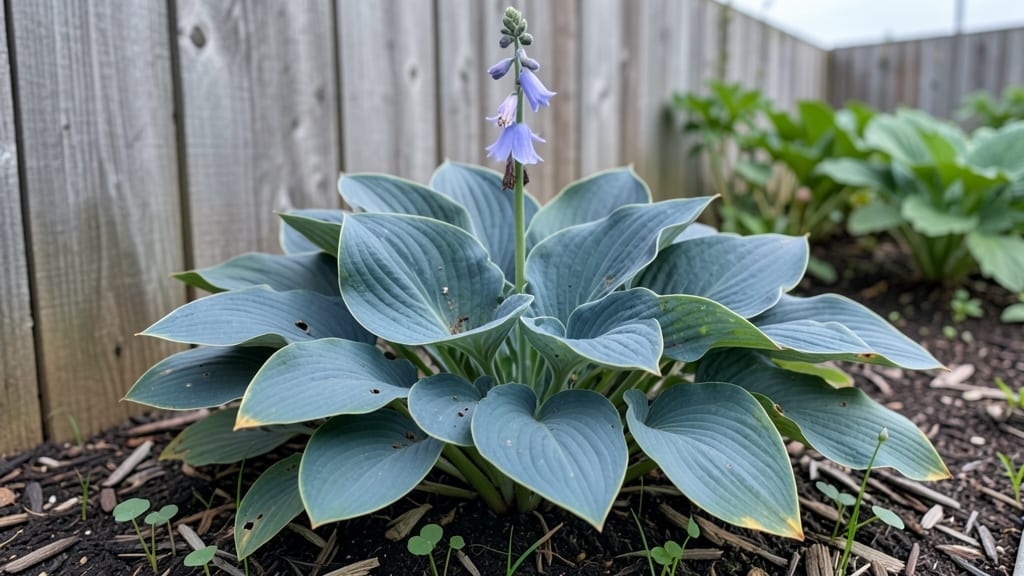
Hostas are not grown from true bulbs like tulips or daffodils; instead, they spread through underground rhizomes or divide from established clumps. Their fleshy, horizontal stems store nutrients, allowing them to regrow yearly without bulb-like structures.
Hostas multiply through thick, creeping rhizomes—those knobby, horizontal roots that spread just below the soil surface. Unlike true bulbs, which store energy in compact, layered structures, hostas rely on these fleshy stems to store nutrients and fuel regrowth each spring.
This makes them incredibly hardy; a single clump can expand over time, creating dense foliage without needing to be replanted. 💫
What’s fascinating is how this growth habit affects care—dividing hostas every few years actually helps them thrive by preventing overcrowding and rejuvenating the plant.
I’ve found that spring or early fall are the best times to split them, giving the roots time to establish before winter or summer stress sets in.
💡 In This Article
- How Hostas Multiply: Rhizomes vs True Bulbs
- Dividing and Planting Hosta Rhizomes: Step-by-Step Guide
How hostas multiply: rhizomes vs true bulbs
Here's what's actually happening underground: hostas grow through rhizomes—thick, horizontal stems that spread just below the soil surface, typically 2-4 inches deep. These rhizomes act like nature's storage units, packed with starches and nutrients that fuel regrowth each spring.
Unlike true bulbs (like tulips or daffodils), which store energy in concentric layers, hosta rhizomes grow outward in all directions, creating that familiar circular spread pattern. 🔥
The key difference lies in their structure: true bulbs have protective layers (like onion skins) that shield their energy reserves, while hosta rhizomes are more exposed. This makes them vulnerable to drying out if left uncovered during division.
When you dig up a hosta clump, you'll often see multiple 3-5 inch rhizome sections connected by smaller roots—each capable of growing into a new plant. This explains why hostas can multiply so aggressively in ideal conditions.
What most people don't realize is how this growth habit affects their care routine. Since hostas don't form true bulbs, they don't need the same winter protection as tulips. Their rhizomes remain active year-round in mild climates, storing energy continuously.
This is why you can divide hostas in both spring and fall—unlike bulb plants that must be planted in autumn to establish before winter. The rhizomes' shallow depth also means they're more responsive to surface moisture, which is why consistent watering matters more than deep watering sessions.
Let's compare to true bulbs: onions store nutrients in layered fleshy scales, while lilies have a central stem surrounded by protective tunics. Hosta rhizomes, however, are more like sweet potato runners—thick, starchy stems that can root at multiple nodes.
This explains why you can cut hosta rhizomes into 3-inch sections with at least one growth eye (bud) and still get new plants. The science behind this involves the plant's ability to regenerate from any section containing stored nutrients and a viable bud.
One practical implication is how hostas handle transplanting. Because their rhizomes are shallow and spread horizontally, they establish quickly in new locations—often within 2-3 weeks of planting. This makes them perfect for filling garden spaces rapidly.
The trade-off? Their aggressive spreading means they'll eventually need dividing every 3-5 years to maintain vigor. Unlike bulb plants that can be left undisturbed for years, hostas actually thrive when their rhizomes are separated and replanted.
Here's a quick comparison to remember: true bulbs store energy in compact, layered structures (like an onion), while hosta rhizomes spread horizontally like a network of underground stems.
This fundamental difference explains why hostas don't go dormant like true bulbs—their rhizomes remain active, ready to sprout at any time when conditions are right. 💫