
Blooming
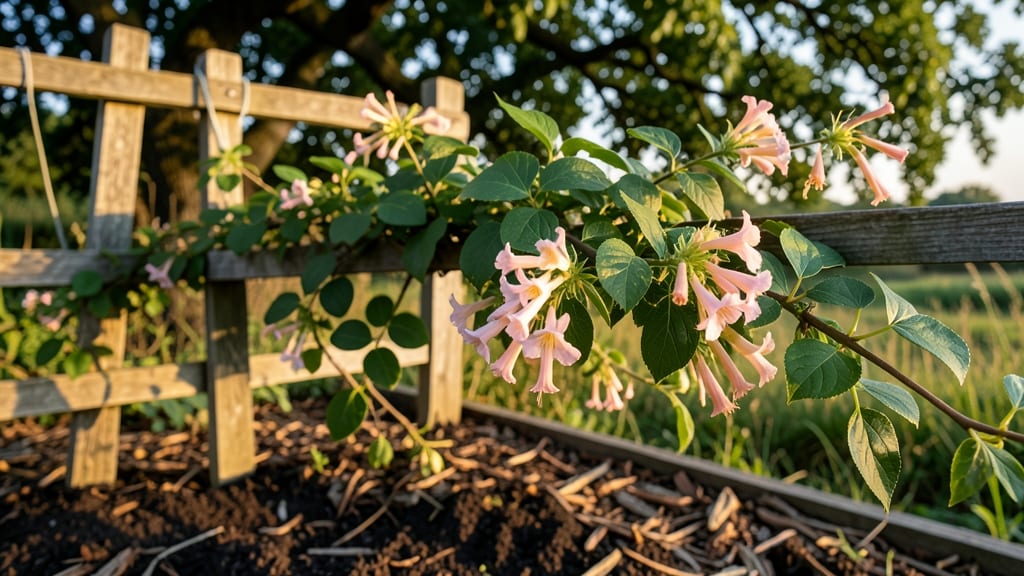
Honeysuckle blooms time varies dramatically by variety, but the right timing unlocks months of fragrant flowers 🌸—and skipping the window means waiting another year for that sweet scent.
Picture this: You’ve planted your honeysuckle vine with high hopes, only to stare at bare stems all summer. The issue? Some varieties bloom in early June, while others wait until August, and without knowing the difference, you might miss the show entirely.
Climate and region play a huge role too—trumpet honeysuckle thrives in cooler zones like 6a, while Japanese honeysuckle stretches its blooms later in warmer areas. Even the same plant can shift timing if you prune it wrong.
In this guide, I’ll break down exactly when each type flowers, how to stretch their bloom season, and the one pruning trick that keeps your vine covered in blossoms from June through September.
Honeysuckle bloom time by variety: month-by-month flowering guide
Timing your garden around honeysuckle bloom time transforms your outdoor space into a fragrant haven. Different varieties bloom at different times, so choosing the right one for your USDA zone ensures continuous color and scent.
Whether you're growing Coral Honeysuckle for its vibrant flowers or Japanese Honeysuckle for its intoxicating fragrance, knowing when to expect blooms helps you plan pruning, deadheading, and even pollinator-friendly activities.
In USDA zones 5-9, honeysuckle blooms can span from early spring to late summer, depending on the variety. Early bloomers like Lonicera periclymenum (European Honeysuckle) kick off the season, while late-season varieties like Lonicera sempervirens (Coral Honeysuckle) extend the show well into fall.
Understanding these patterns lets you create a multi-season floral display that keeps your garden lively year-round.
Regional adjustments are key—cooler northern zones may see delayed blooms, while southern climates can enjoy earlier and longer flowering periods. For example, Lonicera japonica (Japanese Honeysuckle) thrives in warmer zones and often blooms later than its temperate counterparts. Let’s dive into the specifics so you can match your honeysuckle variety to your local climate.
For USDA zone 5 gardeners, early bloomers like Lonicera periclymenum start their show in May, often lasting until July. These varieties thrive in cooler climates and reward patience with highly fragrant blooms.
In contrast, zone 9 gardeners can enjoy Lonicera sempervirens flowering from June through September, thanks to the extended growing season.
If you’re in zone 7 or 8, you can mix varieties for a continuous bloom effect. Plant Lonicera x brownii for early May-June color, followed by Lonicera japonica in June-August.
This staggered approach ensures your garden never loses its sweet scent or vibrant hues. Just be mindful of Japanese Honeysuckle’s invasive tendencies—opt for sterile cultivars if containment is a concern.
Regional microclimates also play a role. Coastal areas in zone 9 may see earlier blooms due to milder winters, while inland regions might experience delayed starts. Pay attention to your local last frost date—most honeysuckles need warm soil temperatures to break dormancy and bloom.
In colder zones, mulching in late fall protects roots and encourages healthier spring growth.
For hummingbird lovers, Lonicera sempervirens is a must-have. Its tubular red-orange flowers bloom from June to September, providing a late-season nectar source. Pair it with bee balm or salvia to extend the pollinator buffet.
Meanwhile, Lonicera periclymenum’s creamy-yellow blooms attract butterflies and fill the air with a vanilla-like fragrance—perfect for early summer evenings.
Pro tip: Use a gardening journal to track your honeysuckle’s bloom times each year. Note any variations due to weather, such as a late spring frost delaying blooms or an early heatwave causing early flowering.
Over time, you’ll refine your planting strategy to maximize bloom duration and garden enjoyment. 🌸
Don’t forget that pruning timing affects bloom cycles. For spring-blooming varieties like Lonicera periclymenum, prune immediately after flowering to encourage next year’s blooms. Late-season bloomers like Lonicera sempervirens
How to extend honeysuckle bloom time with pruning and care
Want your honeysuckle vine to burst into fragrant blooms for months instead of weeks? The secret lies in strategic pruning and seasonal care. Many gardeners miss the mark by pruning at the wrong time or neglecting deadheading, which can cut bloom time short.
With Lonicera sempervirens (Coral Honeysuckle) and other varieties, a few simple adjustments can transform your vine into a continuous flowering powerhouse.
First, understand that timing is everything. Pruning too late in the season can remove next year’s flower buds, while improper deadheading might signal your plant to stop blooming.
For repeat bloomers like Coral Honeysuckle, the key is to prune after flowering and deadhead regularly. Let’s break down the exact steps to maximize your honeysuckle’s bloom time.
Step-by-Step Guide to Extend Honeysuckle Blooms
- Step 1: Prune After Flowering - Cut back 1/3 of old growth in late summer or early fall (after blooms fade). This encourages fresh growth that will flower next season.
- Step 2: Deadhead Regularly - Remove spent blooms every 2-3 weeks to redirect energy to new flowers. Use clean pruners to avoid disease.
- Step 3: Fertilize Lightly in Spring - Apply a balanced 10-10-10 fertilizer in early spring to support new growth without overfeeding.
- Step 4: Mulch for Moisture - Add 2-3 inches of mulch around the base to retain moisture and protect roots during hot spells.
- Step 5: Protect in Winter - Wrap young vines in burlap or frost cloth in USDA zones 5-6 to prevent winter dieback.
- Step 6: Water Deeply in Drought - Give 1 inch of water weekly during dry spells to prevent stress-induced bud drop.
Don’t overlook the importance of soil health. Honeysuckle thrives in well-draining, slightly acidic soil (pH 6.0-7.0). If your soil is compacted or alkaline, amend it with compost or peat moss before planting.
A soil test can reveal deficiencies—addressing these early ensures your vine has the nutrients it needs to bloom prolifically.
For Coral Honeysuckle (Lonicera sempervirens), which blooms on new wood, aggressive pruning in late winter (before buds swell) can actually stimulate more flowers. Trim back 1/2 to 2/3 of the plant to encourage bushier growth and denser blooms.
Just avoid heavy pruning on old-wood bloomers like Lonicera periclymenum, as they set buds on the previous year’s growth.
Finally, watch for pests and diseases that can stress your vine. Spider mites and aphids love honeysuckle’s lush foliage—spray with neem oil if you spot webbing or curled leaves. A healthy vine with no pests and consistent care will reward you with blooms from late spring through early fall.
With these techniques, your honeysuckle can become a year-round fragrance machine, attracting hummingbirds and filling your garden with sweet scent. Start with just one step—like deadheading this week—and watch the difference in just a few months! 🌸✂️💧