
Blooming
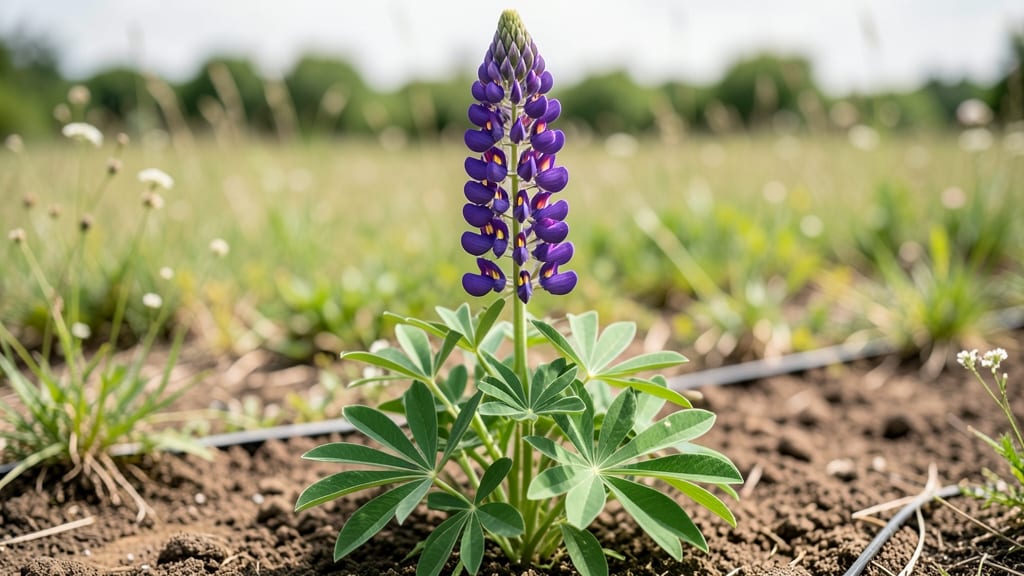
Lupines bloom in late spring to early summer 🌸, transforming your garden into a vibrant pollinator magnet—but their timing and duration depend on the variety and where you live.
If you’ve ever wondered why your lupines seem to bloom for just a few weeks before fading—or how to extend their vibrant display—understanding their natural bloom cycles is key.
From the towering Russell Hybrid with its 4–6 weeks of blue-purple spikes to the heat-loving Big Ben that bursts into yellow in mid-summer, each type has its own schedule. Climate, soil, and even your pruning habits can shift those windows dramatically.
Below, I break down exactly when your lupines will bloom by variety, how long their flowers last, and the simple care tricks to keep them flowering longer—so you can plan your garden for maximum impact.
Lupine bloom time by variety: seasonal timeline & duration
Lupines are garden superstars with their dramatic flower spikes, but their bloom time varies wildly depending on the variety and your climate zone. Some varieties burst into color in late spring, while others wait until mid-summer—knowing these differences helps you plan for a continuous display from May through August.
Whether you're growing Russell Hybrid Lupine for early color or Big Ben Lupine for summer heat tolerance, timing is everything for maximizing their show-stopping potential.
Understanding lupine bloom cycles also helps you extend their flowering season. Many gardeners assume lupines bloom once and fade, but with the right care—like strategic deadheading or adjusting watering—you can coax second flushes or even year-round interest in milder climates.
The key lies in matching the right variety to your USDA zone and growing conditions, from cool mountain regions to hot desert gardens. Let’s break down the bloom timelines by popular varieties so you can plan your garden like a pro.
🌱 Pro Tip: Lupines are short-lived perennials in most zones, so treating them as annuals or biennials often yields better results. This means their bloom time is even more critical for impact!
Climate plays a huge role in lupine bloom time. In cooler zones (4–6), like the Pacific Northwest or New England, lupines often bloom 2–4 weeks earlier than in warmer zones (7–9), such as Texas or Arizona.
For example, Russell Hybrid Lupine in Zone 5 might start blooming in mid-May, while the same variety in Zone 8 could wait until early June.
Heat can also shorten bloom duration, especially for varieties like Big Ben Lupine, which may bolt (go to seed) faster in 100°F+ temperatures. To combat this, provide afternoon shade in hot climates or mulch heavily to keep roots cool.
Another factor to consider is altitude. Lupines grown at higher elevations (e.g., Colorado or the Rockies) tend to bloom later in the season due to cooler temperatures.
For instance, Alaska Lupine in Denver (Zone 5) might not peak until July, while the same plant in Seattle (Zone 8) could bloom in June.
If you’re in a transitional zone (like Zone 6 or 7), experiment with successive planting—sow seeds in early spring for early blooms and again in late summer for a fall display.
🌿 Climate Hack: In Zone 9+, lupines often struggle with summer heat. Try growing them in partial shade or pair them with tall grasses (like miscanthus) to create a cool microclimate at their base.
For gardeners in USDA Zones 4–5, lupines are reliable perennials, often returning to bloom for 2–3 years if given proper care. In Zones 6–9, treat them as short-lived perennials or biennials—their first year focuses on foliage growth, while the second year delivers show-stopping blooms.
To encourage longer bloom cycles, avoid over-fertilizing with phosphorus-heavy mixes, which can lead to leafy growth at the expense of flowers. Instead, use a balanced 10-10-10 fertilizer in early spring and skip fertilizing once blooms appear.
If you’re planning a lupine-themed garden, mix early, mid, and late-season varieties to create a sequential bloom effect. For example, pair Russell Hybrid Lupine (May–June) with Big Ben Lupine (July–August) and Chief Joseph Lupine (August–September) for a three-month display. Add companion plants like delphiniums (
How to extend lupine bloom time: pruning, deadheading & care tips
Lupines are showstoppers in any garden, but their short bloom cycles can be frustrating. With the right care, you can double or even triple their flowering season. The secret lies in understanding when and how to intervene—whether through pruning, deadheading, or soil adjustments.
Unlike many flowers, lupines respond well to light pruning and strategic deadheading, which encourages second or even third flushes of blooms.
Many gardeners assume lupines are one-and-done annuals, but perennials like Russell Hybrid and Silver Cup can rebloom with proper care. The key is balancing energy allocation—lupines prioritize seed production over flowers, so you’ll need to trick them into keeping those vibrant spikes alive.
Start by deadheading spent blooms at the right time and pruning back up to 1/3 of the plant after the first flush to stimulate new growth.
Deadhead Strategically
Remove faded flower spikes after seed pods form to encourage a second bloom cycle (works best with perennial varieties). Use clean pruning shears and cut just above the first set of leaves to avoid damaging the stem.
Prune for Bushiness
Trim back 1/3 of the plant after the first bloom to promote lateral growth and extend the display. Focus on taller stems to encourage a fuller, bushier appearance—ideal for cutting gardens or borders.
Fertilize Lightly
Use a low-phosphorus fertilizer (e.g., 10-10-10) in early spring to avoid excessive leaf growth at the expense of flowers. Lupines are nitrogen-sensitive, so a balanced approach yields the best results.
Water Deeply but Infrequently
Lupines are drought-tolerant; overwatering can shorten bloom time. Aim for 1–2 inches of water per week and water deeply in the morning to reduce fungal risks. Mulch around the base to retain moisture and cool roots.
Don’t overlook the power of companion planting to support lupine health. Pair them with low-competition plants like lavender, yarrow, or catmint, which share similar water and sunlight needs while deterring pests. Avoid planting near high-nitrogen feeders like tomatoes or peppers, as they’ll outcompete lupines for nutrients.
For second flushes, focus on soil health in late summer. Amend the soil with compost or aged manure to replenish nutrients without overfeeding. Lupines are legumes, meaning they fix nitrogen in the soil—so they don’t need extra nitrogen but benefit from phosphorus and potassium for strong blooms.
With these simple yet effective techniques, your lupines can bloom for up to 3 months instead of just a few weeks. The key is consistency—prune at the right time, fertilize lightly, and water wisely. Your garden (and pollinators!) will thank you for the extended show of color. 🌸