
Flowers
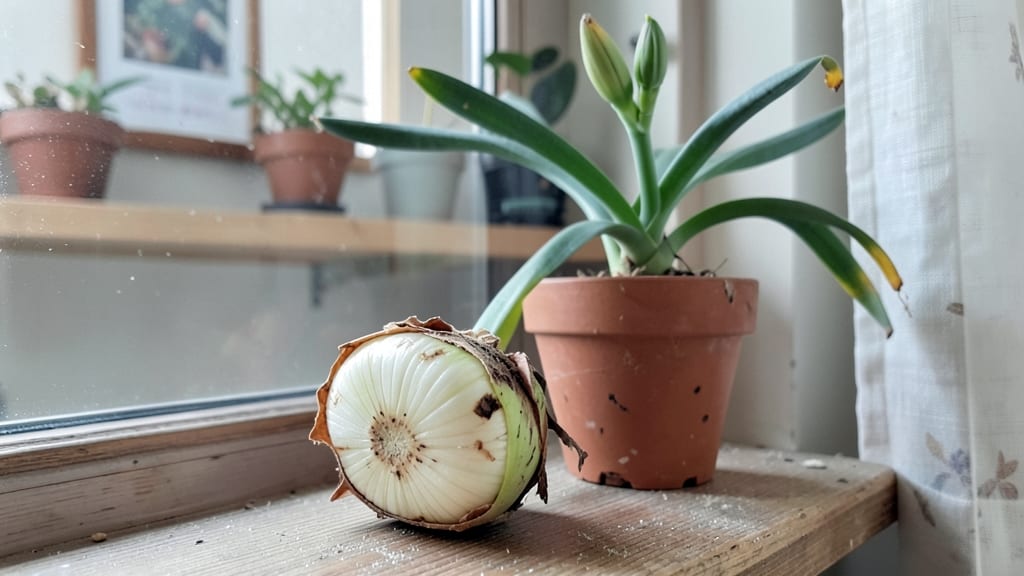
Amaryllis bulbs are toxic to pets and humans due to lycorine and other alkaloids, causing nausea, vomiting, diarrhea, and drooling. Keep them out of reach and seek veterinary or medical help if ingestion occurs.
These bulbs contain lycorine and other harmful compounds that can trigger severe digestive upset in both pets and people. 🌱 While dogs and cats are most at risk due to their curiosity, even small children might accidentally nibble on fallen petals or bulbs.
The effects usually appear within a few hours, so quick action is critical—rinsing the mouth and calling a vet or poison control immediately can make all the difference.
For pet owners, I recommend keeping amaryllis in hanging baskets or high shelves where curious paws can’t reach. If you love these striking flowers but worry about safety, consider opting for pet-friendly alternatives like spider plants or Boston ferns—they’re just as beautiful without the risks.
💡 In This Article
- Toxic Compounds in Amaryllis Bulbs and Their Effects
- Safe Handling and Pet-Proofing Amaryllis Plants
Toxic compounds in amaryllis bulbs and their effects
The amaryllis bulb's toxicity stems primarily from lycorine, a potent alkaloid that disrupts cellular processes in mammals. This compound works by inhibiting protein synthesis in cells, particularly in the gastrointestinal tract, which explains why vomiting and diarrhea are among the first symptoms.
Lycorine concentrations can reach up to 0.5-1.5% of the bulb's dry weight—enough to cause noticeable effects even with small ingestions. For comparison, that's roughly 50-150mg of lycorine per 100g of bulb, a level that triggers physiological responses in both pets and humans.
Another critical compound is galantamine, which affects the nervous system by inhibiting acetylcholinesterase—an enzyme that breaks down acetylcholine, a key neurotransmitter. This leads to symptoms like drooling, muscle tremors, and even seizures in severe cases.
The effects vary by species: dogs typically show symptoms within 6-12 hours of ingestion, while cats may react more quickly due to their faster metabolism. In humans, children are particularly vulnerable because their smaller body weight means even tiny amounts can have disproportionate effects.
The severity depends on how much is consumed. A single petal might cause mild stomach upset, but chewing on even a small portion of the bulb (about 1/4 inch or 6mm) can lead to dangerous symptoms.
Here's what happens inside the body: lycorine irritates the stomach lining, triggering immediate vomiting as the body's protective response. Meanwhile, galantamine disrupts nerve signals, causing the excessive drooling and weakness that pet owners often notice first. 🔥
Organ impact varies by dosage. Low exposures primarily affect the digestive system, while higher doses can stress the liver and kidneys as they work to metabolize the toxins. In pets, cardiac symptoms like rapid heartbeat may develop in severe cases, requiring immediate veterinary intervention.
Humans might experience dehydration from prolonged vomiting and diarrhea, which can become serious if fluids aren't replenished quickly. The key factor is always timing—early intervention with activated charcoal (if recommended by a professional) can significantly reduce toxin absorption.
What most people don't realize is how the plant's appearance deceives us. The vibrant red flowers and glossy green leaves make amaryllis irresistible, but the real danger lies below ground. The bulb itself contains the highest concentration of toxins, while stems and leaves have lower but still significant levels.
This is why pets often suffer more severe reactions—they're more likely to chew on bulbs that have fallen or been exposed during repotting. The science behind this involves the plant's evolutionary defense mechanism: making itself unpalatable to deter herbivores.
For perspective, consider that amaryllis toxicity falls into the moderate to severe category according to the ASPCA's poison scale. While not as immediately deadly as some other plants (like oleander), the cumulative effects of lycorine and galantamine can still be life-threatening without proper care.
This is why pet owners should treat amaryllis with the same caution as they would lilies or sago palms—both well-known plant toxins. The difference here is that amaryllis's toxicity is often underestimated due to its popularity as a houseplant.