
Blooming
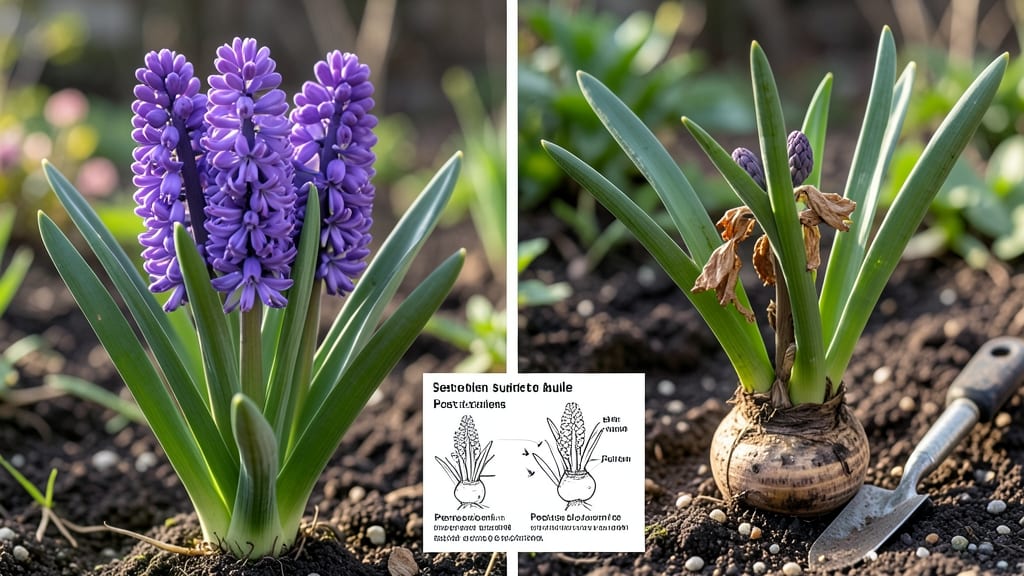
Most hyacinths bloom only once per year, but select varieties like Dutch Master can rebloom with proper care—think full sunlight, nutrient-rich soil, and consistent moisture after flowering. Standard types need a dormancy period to recharge for their next bloom.
Hyacinths follow nature's rhythm, storing energy in their bulbs during dormancy to fuel spring blooms. 🌱 The key difference lies in their genetics: while most varieties prioritize one spectacular show, reblooming types like Dutch Master allocate resources differently, allowing for multiple cycles when conditions are ideal.
I've seen this firsthand—my Dutch Master plants reward consistent care with a second flush of fragrant blooms in late summer, though it takes patience and precise timing.
What sets rebloomers apart isn't just their care needs but their growth habits too. These varieties develop stronger root systems that sustain multiple flowering cycles, while standard types focus all their energy on that one annual display.
The trade-off? Reblooming hyacinths often produce slightly smaller flowers the second time around, but the extended blooming season makes them worth the extra effort for dedicated gardeners.
💡 In This Article
- Why Most Hyacinths Bloom Only Once Per Year
- How to Encourage Reblooming in Hyacinths
Why most hyacinths bloom only once per year
Hyacinths follow a biological cycle where their bulbs store energy during dormancy to fuel a single spectacular bloom each spring. This energy allocation is hardwired into most varieties—like the classic 'Anna Marie' or 'Jan Bos'—which prioritize one vibrant display over prolonged flowering.
The process begins in late summer when bulbs enter dormancy, converting stored starches into flowering hormones triggered by shorter daylight hours and cooler temperatures. This single-bloom strategy ensures maximum floral impact rather than spreading energy across multiple cycles. 🌸
The key difference lies in their growth patterns: standard hyacinths develop a single flower stalk (scape) that emerges in early spring, reaching heights of 12-20 inches with clusters of 10-30 fragrant blooms. After flowering, the foliage continues photosynthesizing for 6-8 weeks to replenish bulb reserves before dying back completely.
This cycle requires 6-8 weeks of dormancy to reset the plant's energy systems for next year's bloom. Reblooming varieties like Dutch Master skip this full dormancy, instead entering a lighter rest period.
Light exposure plays a critical role in this cycle. Most hyacinths are short-day plants, meaning they flower in response to decreasing daylight hours (typically 12 hours of light or less). When days lengthen in late spring, they shift focus to foliage growth rather than flowering.
Rebloomers, however, have adapted to maintain some flowering capacity even when daylight increases, though their second blooms are often 20-30% smaller than the initial display. This adaptation comes with a trade-off: reblooming varieties require 20-30% more nutrients to sustain multiple cycles.
Temperature also influences this pattern. Standard hyacinths need chilling temperatures between 35-45°F for 12-16 weeks during dormancy to properly set their flowering mechanism. Without this cold period, they may produce foliage but no blooms. Reblooming types are more flexible but still benefit from at least 6 weeks of chilling.
The science behind this involves vernalization—the process where cold temperatures trigger genetic changes that prepare the plant for flowering. Most gardeners in warmer climates struggle with standard hyacinths because they can't provide this natural chilling period.
Consider this comparison: a standard hyacinth bulb might produce 15-20 blooms in its single spring display, while a reblooming variety might yield 10-15 blooms initially but only 5-10 blooms in its second flush. The energy trade-off becomes clear when you examine the bulb's internal starch reserves.
Standard types convert 80% of their energy to that first bloom, while rebloomers divide their resources more evenly—though never equally. This biological division explains why reblooming hyacinths often appear slightly less vigorous in their second cycle.
One fascinating adaptation in reblooming varieties is their ability to produce multiple scapes. While standard hyacinths develop just one central stalk, rebloomers may produce 2-3 smaller scapes in their second bloom. These secondary stalks emerge from the bulb's base rather than the center, creating a bushier appearance.
However, this comes at the cost of flower size—each bloom typically measures 1-2 inches shorter than the primary display. The trade-off between quantity and quality is a fundamental biological compromise that gardeners must understand when selecting varieties.
Understanding these mechanisms helps explain why most gardeners see only one bloom season from their hyacinths.
The plant's entire biological strategy revolves around this single spectacular event, making it one of nature's most efficient flowering systems. 🌿 For those seeking extended blooms, the Dutch Master series represents a carefully bred exception rather than the rule.