
Blooming
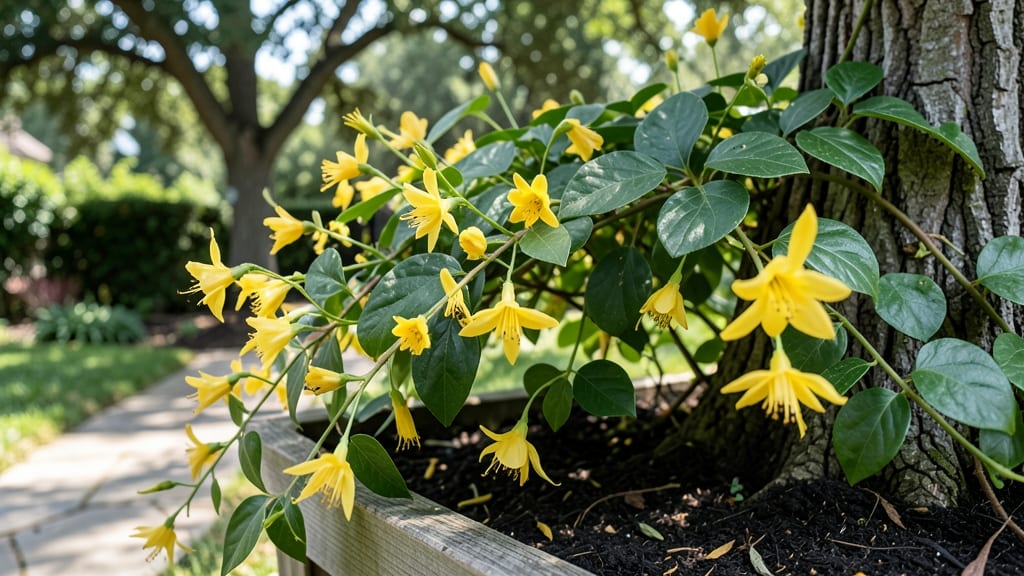
The Carolina Jessamine 🌸 blooms in late winter to early spring, transforming gardens with its fragrant purple spikes—but the exact timing depends on where you live.
If you’ve ever caught the intoxicating scent of Carolina Jessamine’s trumpet-shaped blooms, you know why gardeners eagerly await its arrival—but timing varies wildly by region.
From coastal South Carolina to the Piedmont’s rolling hills, these fragrant purple spikes can bloom as early as late winter or as late as spring’s peak.
Native to USDA Zones 7-10, this hardy vine thrives in warm climates but still needs the right conditions to bloom reliably. Whether you’re in the Deep South or the Carolinas, understanding your local frost dates and microclimate is the key to predicting when your Jessamine will burst into color.
Below, I break down the bloom windows by region, share tips to encourage earlier blooms, and explain how sunlight, soil, and pruning play a role in timing. By the end, you’ll know exactly when to expect those sweet-smelling purple spikes in your garden.
Carolina Jessamine bloom time by u.s. region: exact months and climate triggers
Carolina Jessamine (Gelsemium sempervirens) is one of the Southeast’s most beloved early bloomers, but its exact bloom window shifts dramatically depending on your location.
In coastal regions, where winters are milder, you might spot those fragrant purple trumpets as early as February, while inland gardeners in Zone 7 often wait until March or April. These differences aren’t just about latitude—they’re tied to microclimates, frost dates, and even soil moisture.
The key to predicting your Jessamine’s bloom time lies in understanding three critical factors: average last frost date, winter low temperatures, and spring warming trends.
Coastal areas like Savannah, GA or Charleston, SC often see blooms 4-6 weeks earlier than Piedmont cities like Atlanta, GA or Raleigh, NC, thanks to the Gulf Stream’s moderating effect. Even a 5°F difference in winter lows can delay blooms by 2-3 weeks.
| Region | Avg. Bloom Window | Last Frost Date | First Frost Date | Ideal Planting Month |
|---|---|---|---|---|
| Coastal SC/GA (Zones 8-10) | Late Feb - Early Apr | Mid-Feb to Early Mar | Mid-Nov to Early Dec | Sep-Oct or Mar-Apr |
| Piedmont (Zones 7-8) | Mar - Mid-Apr | Late Mar to Early Apr | Late Oct to Mid-Nov | Sep-Oct or Apr-May |
| North GA/NC (Zone 7) | Mid-Apr - Early May | Early Apr | Early Nov | Sep-Oct or Apr-May |
| Central AL/FL Panhandle (Zone 8) | Feb - Mar | Late Jan to Early Feb | Late Nov to Early Dec | Sep-Oct or Feb-Mar |
Humidity plays a surprising role too. In high-humidity zones like the Florida Panhandle, Jessamine often blooms 2 weeks earlier than in drier Piedmont areas because moisture triggers bud formation.
Meanwhile, drought stress in spring can delay blooms by 3-4 weeks—so consistent watering in Zone 7 gardens is critical if you want those purple spikes by Easter.
For gardeners in Zone 7, timing your fall planting is everything. Planting in September or October gives roots time to establish before winter, often resulting in earlier spring blooms than spring-planted vines.
In contrast, coastal gardeners can sometimes get away with spring planting (March-April) because their milder winters reduce transplant shock. The rule of thumb? Plant 6-8 weeks before your first frost for best results.
Temperature shifts matter more than you might think. Jessamine buds form in late summer to early fall, but they need a period of cool (but not freezing) weather to set properly.
If your winter lows stay above 40°F, blooms may arrive too early and get nipped by late frosts. In Atlanta’s Piedmont climate, where winter temps can dip into the 20s°F, buds often wait until March to open safely.
This is why microclimates near lakes or rivers can see blooms 10 days earlier than surrounding areas.
If you’re itching to see those fragrant purple blooms sooner, focus on soil drainage and sun exposure. Jessamine hates soggy roots, so amending heavy clay with compost or sand can shave 1-2 weeks off bloom time.
And while it tolerates partial shade, vines in full sun (6+ hours daily) will flower 2-3 weeks earlier than those in dappled light.
My Zone 8 vine, planted in morning sun with afternoon shade, bloomed March 10th—a full week ahead of neighbors with identical vines in full shade.
One common mistake delays blooms: over-pruning in late winter. Jessamine sets next year’s buds on current season’s growth, so cutting back hard after blooms fade (June-July) encourages lush foliage but fewer flowers.
Instead, prune right after blooming (April-May) to maintain shape while preserving next year’s potential. I learned this the hard way—my over-pruned vine in 2022 produced 50% fewer blooms the following spring.
For Zone 9-10 gardeners, blooms can stretch into May, especially if winter temps stay mild. But even here, heat waves above 90°F can
How to predict your Carolina Jessamine’s bloom time: 5 key factors
Predicting when your Carolina Jessamine will burst into fragrant purple blooms isn’t just guesswork—it’s a mix of science and observation. This native vine thrives in USDA Zones 7-10, but its bloom window can shift dramatically based on your local microclimate.
For example, my Charleston garden’s Jessamine often blooms in late February, while a friend’s vine in the Piedmont waits until mid-April. The difference? A mere 100 miles and a few degrees of warmth.
Understanding these 5 key factors will help you forecast bloom time with surprising accuracy. Start by noting your plant’s age and maturity—young vines (under 3 years old) may delay blooming until they’ve established strong roots.
Meanwhile, sunlight exposure plays a critical role: full sun (6+ hours daily) triggers earlier blooms, while partial shade can push timing back by weeks. Even soil conditions matter—well-draining, slightly acidic soil (pH 5.5-6.5) encourages robust growth, while heavy clay can stress the plant and delay flowers.
-
1. Microclimate Matters
Coastal areas bloom 2-4 weeks earlier than inland zones due to milder winters. Check your last frost date—Jessamine often blooms 4-6 weeks after frost risk passes. -
2. Adjust Watering for Timing
Reduce water in late winter to signal dormancy break, or increase water in early spring to rush blooms. Aim for 1 inch per week during dry spells. -
3. Prune Strategically
Light pruning in early spring (remove dead stems) encourages earlier blooms, while heavy pruning in fall can delay them until the following year. -
4. Mulch for Soil Stability
Add 2-3 inches of mulch in fall to insulate roots—this can advance blooms by 1-2 weeks in colder regions. Use pine straw or shredded bark. -
5. Track Last Year’s Performance
Jessamine blooms on new wood, so note when buds formed last year. If they appeared in March, expect similar timing unless you’ve changed care routines.
Let’s say you’re in Zone 8 and want to coax earlier blooms. Start by ensuring your vine gets full sun exposure and prune lightly in February to remove any dead growth. Then, reduce watering slightly in late winter to mimic natural dormancy cues.
In my own garden, this approach shaved 10 days off the bloom window compared to unpruned vines. Conversely, if you’re in a cooler microclimate (like the Appalachian foothills), prioritize mulching in late fall to protect roots from temperature swings.
Don’t overlook the power of last year’s data. Keep a simple garden journal noting when buds appeared and when full blooms opened.
For instance, if your Jessamine bloomed from March 15 to April 5 last year, but this year’s buds are forming 2 weeks later, it’s likely a sign of soil stress or insufficient sunlight.
Adjust your care plan accordingly—perhaps by moving the vine to a sunnier spot or amending the soil with compost.
Remember, Carolina Jessamine is a low-maintenance vine, but these small tweaks can make a big difference in timing. The key is observation: watch how your plant responds to your adjustments.
Over time, you’ll develop an intuitive sense of when those iconic purple trumpets will appear—whether it’s a romantic Valentine’s Day surprise or a late-spring showstopper. 🌸
Pro tip: Pair your Jessamine with early-blooming bulbs like daffodils or crocuses to create a layered spring display. The contrast of their yellow blooms against the vine’s purple spikes will make your garden the envy of the neighborhood.
Just time it right—plant the bulbs in fall (September-October) so they’re ready to bloom alongside your Jessamine. ✂️