
Blooming
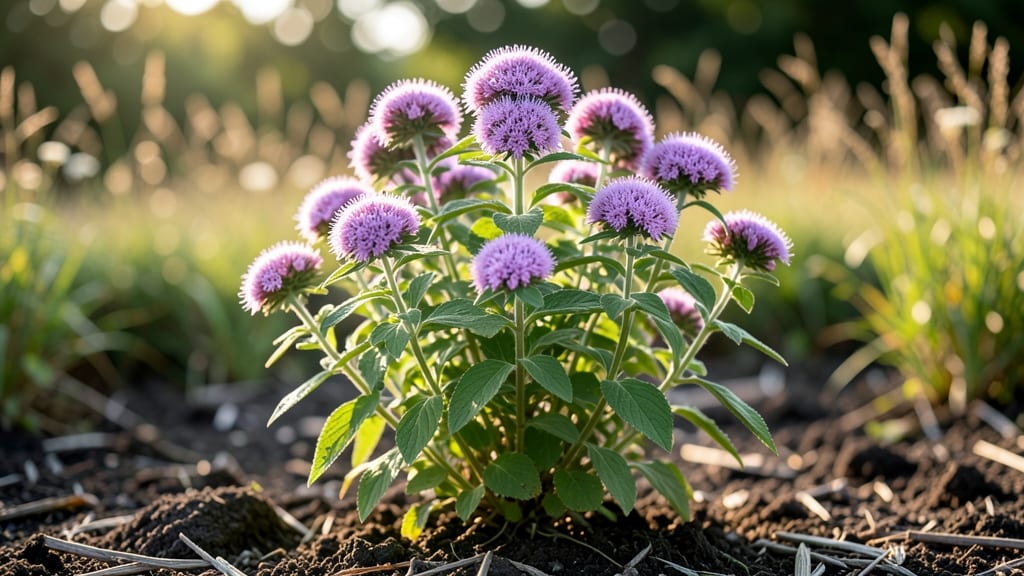
Wild bergamot’s mid-summer citrus perfume transforms my garden into a pollinator paradise—just when everything else is wilting. 🌿 The blooms arrive between July and August, with exact timing depending on where you live and how much sun your plants get.
In cooler climates, expect flowers to peak in late July, while southern gardens burst into color by early July.
Sunlight is the secret weapon here—at least 6 hours of direct sun sends wild bergamot into overdrive, making those lavender-pink blooms last longer. I’ve seen plants in full sun keep flowering for 6-8 weeks, while shady spots struggle to maintain even 4 weeks of color.
The key is balancing water too—drought-tolerant once established, but dry spells can cut blooms short.
You’ll know you’ve hit peak bloom when bees and butterflies are constantly swarming the plants. The fragrance alone—like a mix of lemon and mint—makes it worth growing. To stretch the season, deadhead spent blooms in early fall, and you might coax a second, smaller flush before frost.
Works beautifully in native plant gardens, pollinator meadows, or even containers on patios. The best part? Once established, wild bergamot thrives with almost no fuss—just sun, good drainage, and occasional pruning to keep it tidy.
📚 In This Guide
- What you need
- Instructions
- Tips and common mistakes
- Wrapping up and next steps
What you need
- ● Wild Bergamot Seeds or Nursery Plants: Seeds: 10–20 seeds (or more for larger plantings). Opt for organic, non-GMO seeds for best results.
- ● OR Potted plants: 3–5 mature wild bergamot plants (6–12 inches tall) for quicker blooms.
- ● Well-Draining Soil: 2–3 cubic yards of loamy, slightly alkaline soil (pH 6.0–7.5). Mix in 1 part compost to 3 parts native soil for fertility.
- ○ Optional: A handful of crushed limestone (for pH adjustment if needed).
- ● Sunlight Access: Full sun exposure (6+ hours of direct sunlight daily). Mark the sunny spot with stakes or flags.
- ● Watering Supplies: Garden hose with a gentle spray nozzle OR a watering can (1–2 gallons capacity).
- ○ Drip irrigation kit (optional but ideal for consistent moisture).
- ● Mulch: 2–3 inches of organic mulch (straw, wood chips, or pine needles) to retain moisture and suppress weeds.
- ● Fertilizer: Slow-release, low-nitrogen fertilizer (5-10-10 ratio) to boost blooms. Apply sparingly (once in early spring).
- ● Pruning Shears: Sharp, clean shears for trimming spent blooms or shaping plants post-season.
- ● Pollinator-Friendly Additions: Nearby native wildflowers (like bee balm or coneflowers) to attract bees and butterflies.
- ● A small bird feeder or bath to encourage pollinators.
- ● Pest Deterrents: Neem oil spray (for aphids or spider mites).
- ● Row covers (if planting in high-pest areas).
How to time wild bergamot blooms for peak perfume and pollinator visits
Here's how I track wild bergamot's natural bloom cycle to maximize its citrusy fragrance and attract pollinators.
🌱 Step 1: Identify the Right Planting Location
Wild bergamot thrives in full sun—at least 6-8 hours daily—and tolerates dry, well-drained soil. I always scout for slightly rocky or sandy soil in my garden, as this mimics its native prairie habitat. The plant's deep roots seek moisture below the surface, so avoid low-lying areas where water pools.
Look for spots where native pollinators already gather—this is your signal the conditions are perfect. Wild bergamot blooms best when planted in clusters of 4-5 plants, so choose a location with enough space for your group. The fragrance intensifies when multiple plants bloom simultaneously.
☀️ Step 2: Understand the Bloom Trigger
Wild bergamot's bloom time is triggered by day length and soil warmth. Once daytime temperatures consistently reach 70°F or higher, the plant shifts into full growth mode. I track this by monitoring my local last frost date—typically 4-6 weeks before peak bloom, the plant begins producing flower buds.
Watch for new leaf growth in late spring as your first clue. These leaves will be lighter green and more upright than the basal rosette. When you see 1-2 inches of new growth, count backward 8-10 weeks—this is when your first blooms will appear. Real talk: if your summer runs cooler, blooms may arrive 2-3 weeks later than expected.
🌿 Step 3: Create Optimal Growing Conditions
Once planted, wild bergamot needs minimal intervention to bloom reliably. I avoid fertilizing—too much nitrogen produces leafy growth at the expense of flowers. Instead, I mulch lightly with 1-2 inches of straw in early spring to protect roots and retain moisture without smothering the plant.
Water deeply once every 7-10 days during establishment, but once established, wild bergamot is drought-tolerant. You'll know it's happy when the stems are sturdy and upright, not flopping over from overwatering. The plant's deep root system stores water efficiently, so wilting leaves are normal in extreme heat—just a sign it's conserving moisture.
⏰ Step 4: Track Bloom Progression
Wild bergamot blooms top-down, starting with the uppermost flower stalks in early July. Each lavender-pink flower lasts 3-5 days, but new buds open daily for 4-6 weeks. The fragrance peaks in late morning when temperatures are 65-75°F—that's when bees and butterflies are most active.
Here's the thing—if you notice fewer than 5 flower stalks per plant, your soil may need more phosphorus. A light application of bone meal in early spring encourages stronger blooms. I also deadhead spent blooms in early fall to redirect energy into next year's growth, but only after the flowers fade naturally—never cut into the woody stems.
🐝 Step 5: Extend the Bloom Season
To prolong wild bergamot's perfume, I plant companion species that bloom at different times. Black-eyed Susans (which bloom later) and bee balm (which starts earlier) create a continuous pollinator buffet. The key is varied heights—wild bergamot grows 2-4 feet tall, so I pair it with shorter perennials to avoid shading.
In colder climates, I cut back stems to 6 inches in late fall but leave the basal rosette intact. This prevents winter dieback while preserving the plant's energy stores. By early spring, new growth emerges from the center, and the cycle begins again. The first year's blooms may be modest, but by year two, wild bergamot becomes a fragrant, pollinator magnet** that outperforms many hybrids.
Tips & tricks for perfect wild bergamot bloom timing
These insider strategies will help you predict—and extend—your wild bergamot's peak fragrance and pollinator appeal.
Location Intelligence: The 6-8 hours of full sun requirement is non-negotiable, but here's the thing about soil—wild bergamot thrives where native pollinators already gather. Scout your garden for existing bee activity before planting; this is your natural indicator of perfect conditions. I've found that slightly sloped areas with 5-10% grade actually improve drainage while maintaining soil warmth—critical for triggering those 70°F soil temperatures that kickstart blooming.
Visual Bloom Forecasting: When you spot that first 1-2 inches of upright new growth in Step 2, count backward exactly 8-10 weeks—this isn't arbitrary. Wild bergamot's internal clock uses photoperiod (day length) to time its bloom cycle. For northern gardens, I mark this date on my calendar and set reminders for the 4-6 week pre-bloom period when buds begin forming. Pro tip: Use a plant journal to track these growth milestones year after year—your data will show you exactly when to expect that first lavender-pink bloom.
Companion Plant Strategy: The 4-6 week bloom window mentioned in Step 4 becomes magical when you layer in companion plants. I strategically place Black-eyed Susans (which bloom 2-3 weeks later) on the north side of my bergamot clusters to avoid shading while extending the pollinator season. For early bloomers, I add bee balm which starts flowering 3-4 weeks before bergamot—this creates that continuous nectar flow that keeps bees visiting your garden all summer long. The height difference (bergamot's 2-4 feet vs. shorter perennials) also prevents cross-pollination issues.
Deadheading Precision: That "fewer than 5 flower stalks" warning in Step 4 is your cue to assess phosphorus levels, but here's what nobody tells you—timing matters. Deadhead spent blooms only after they've naturally faded and developed seed pods. Cutting too early removes potential seed heads that could self-sow for next year's garden. I wait until the flowers turn brown and the seed heads are fully formed before snipping, which typically occurs 5-7 days after peak bloom. This small adjustment maintains your plant's energy balance while still encouraging new growth.
Pro Tips for Wild Bergamot Bloom Time
- These insider strategies will help you predict—and extend—your wild bergamot's peak fragrance and pollinator appeal.
- Location Intelligence: The 6-8 hours of full sun requirement is non-negotiable, but here's the thing about soil—wild bergamot thrives where native pollinators already gather.
- Visual Bloom Forecasting: When you spot that first 1-2 inches of upright new growth in Step 2, count backward exactly 8-10 weeks—this isn't arbitrary.
Frequently asked questions
Got questions about wild bergamot’s bloom time? You’re not alone! Here are some of the most common inquiries—plus quick answers to help you make the most of this fragrant summer star.
When does wild bergamot typically bloom?
Wild bergamot (Monarda fistulosa) usually blooms from mid-July to early September, with peak fragrance in late July and August. Timing can shift slightly based on your climate—cooler regions may see earlier blooms, while hotter areas might extend the season.
How long does the wild bergamot bloom last?
The blooming period lasts 4–6 weeks, depending on care and weather. Deadheading spent flowers can encourage a second, smaller flush of blooms in late summer. If your plant thrives, you might even spot sporadic flowers into early fall!
Does wild bergamot bloom better in full sun or partial shade?
While it tolerates partial shade, wild bergamot thrives in full sun (6+ hours daily) for the most vibrant blooms and fragrance. In hot climates, afternoon shade helps prevent wilting. If blooms are sparse, check for shade or overcrowded roots.
Why isn’t my wild bergamot blooming this year?
Common culprits include over-fertilizing (too much nitrogen = leafy growth, fewer flowers), poor drainage, or lack of sunlight. Check soil moisture—wild bergamot prefers well-drained soil and hates soggy roots. Prune leggy stems in early spring to encourage bushier growth.
Can I extend the bloom time with care?
Yes! Deadhead regularly to remove spent flowers, and avoid heavy feeding after mid-summer. Mulching with compost keeps roots cool, and light pruning after blooming (cut back by 1/3) can promote next year’s flowers. Bonus: Bees and butterflies will thank you!
Wrapping up and next steps
Watching wild bergamot bloom in mid-summer is like catching a burst of sunshine in a field of fragrant purple! 🌿💜 Its peak bloom time—typically between July and August—offers a sensory delight that’s pure joy for gardeners and pollinators alike.
Whether you’re admiring its citrusy charm or planning your own patch, the key is patience and the right conditions.
Now that you’re armed with the know-how, why not take the next step? Plant a few seeds or cuttings this spring, and in just a few months, you’ll be rewarded with a garden that hums with bees and smells like a summer breeze. Happy gardening! 🌱✨