
Blooming
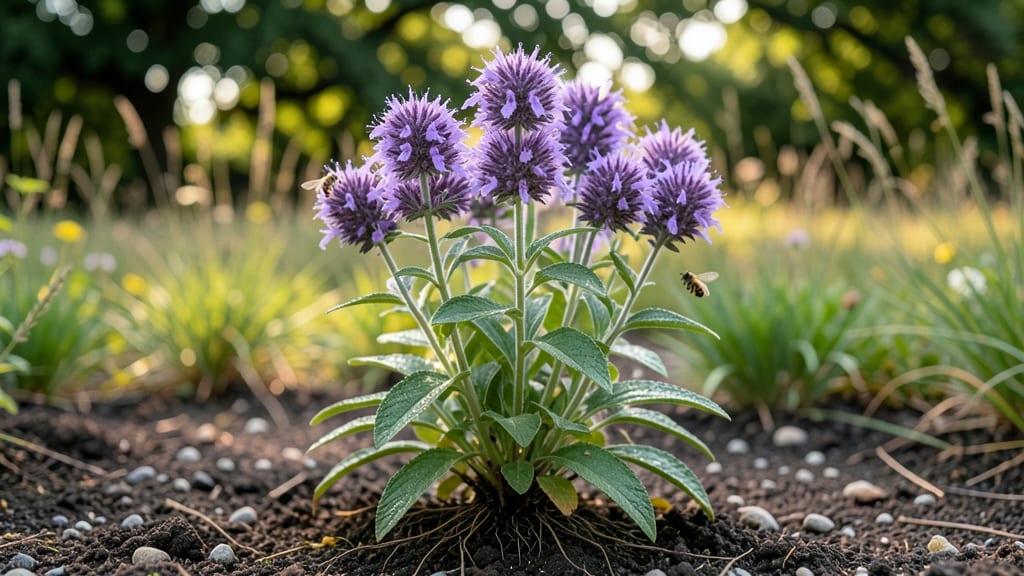
Monarda fistulosa blooms from mid-June through August, turning your garden into a buzzing purple paradise 🐝—but the exact timing depends on where you live and how you care for it.
Picture this: you’ve been waiting all spring for those iconic spiky lavender flowers to appear, only to miss the window by a few weeks. The good news? With the right USDA zone knowledge and a few simple tricks, you can extend that bloom time and enjoy the show longer.
Whether you’re in Zone 3 or Zone 9, I’ll break down the month-by-month bloom schedule, plus how sunlight, soil, and companion plants can shift those purple spikes earlier—or keep them around until frost.
Ready to turn your bee balm into a long-blooming superstar? Here’s how to time it right, from planting to pruning for a second flush of flowers.
When does Monarda fistulosa bloom? Exact months by USDA Zone
Monarda fistulosa, or wild bergamot, is a native pollinator powerhouse that rewards patient gardeners with vibrant purple flower spikes that hum with activity. Unlike its showier cousin M. didyma, this hardy perennial thrives in dry, sunny conditions and adapts beautifully to USDA zones 3 through 9. But timing is everything—knowing your zone helps you plan for peak blooms and extend the season.
The bloom window for Monarda fistulosa varies dramatically by region, with earlier starts in warmer zones and later blooms in cooler climates.
In my Zone 6 garden, I’ve watched the first buds emerge in late June, while friends in Zone 8 see their plants burst into color by May. Understanding these patterns ensures you never miss the show.
Here’s the key: Climate dictates everything. Hotter southern zones trigger earlier flowering, while northern gardens experience longer bloom periods due to cooler temperatures. Even within a single zone, microclimates matter—a south-facing slope can push blooms weeks ahead of a shady valley.
Now, let’s break it down by zone so you can pinpoint your bloom window with confidence.
| USDA Zone | Early Bloom | Peak Bloom | Late Bloom | Duration | Rebloom? |
|---|---|---|---|---|---|
| 3-4 | Mid-July | Late July - Early Aug | Mid-Sept | 8-10 weeks | No |
| 5-6 | Late June | July - Early Aug | Late Aug - Early Sept | 10-12 weeks | Sometimes |
| 7-8 | May - Early June | June - July | Late Aug | 12-14 weeks | Yes |
| 9 | April - May | May - June | July | 10-12 weeks | Yes |
*Reblooming depends on deadheading and growing conditions. Warmer zones may experience staggered blooms.
In USDA zones 3-4, where winters are harsh, Monarda fistulosa waits until mid-July to bloom, giving pollinators a late-season feast. The 8-10 week window is shorter here, but the drought tolerance makes it a hero for dry gardens.
I’ve seen these plants recover from snow and still produce sturdy stems by summer.
Gardeners in zones 5-6 get the best of both worlds: longer bloom periods (10-12 weeks) and occasional reblooming if you deadhead spent flowers. My Zone 6 patch blooms from late June through September, attracting butterflies and bees nonstop.
The key here is consistent moisture—let the soil dry slightly between waterings to prevent powdery mildew.
Southern gardeners in zones 7-9 enjoy the earliest and longest blooms, with some plants reblooming if given the right care. In Zone 8, I’ve watched Monarda fistulosa start in May and linger into August, especially when paired with drought-tolerant companions like salvia or lavender.
The humid heat can stress plants, so mulching heavily
How to extend Monarda fistulosa’s bloom time with proven gardening tips
Monarda fistulosa thrives on attention, and with the right care, you can stretch its stunning purple blooms from early summer well into fall. The key lies in mimicking its native prairie habitat—where it naturally blooms longer due to well-drained soil and minimal competition. I’ve found that combining proper deadheading with strategic watering and companion planting can add 4-6 extra weeks of color to my garden beds.
Start by understanding your plant’s natural rhythm. Monarda fistulosa typically blooms from June to August in most USDA zones, but with the right techniques, you can push those lavender spikes into September or even October.
The secret? Encouraging continuous flower production by removing spent blooms and providing optimal growing conditions. Let me walk you through the exact steps that have worked in my Zone 6 garden.
Your watering schedule plays a crucial role in extending Monarda fistulosa’s bloom time. Unlike its thirsty cousin M. didyma, this native variety prefers moderate moisture—about 1 inch per week during active growth. I water deeply twice weekly in summer, always in the early morning to prevent fungal issues.
Overwatering stresses the plant, while underwatering causes bud drop. A 5-gallon watering can with a soaker hose attachment makes this easy.
Don’t overlook soil amendments—they’re the foundation for prolonged blooming. Monarda fistulosa loves sandy loam with a slightly acidic pH (6.0-7.0). Before planting, mix in 2 inches of compost and a slow-release fertilizer like 10-10-10.
In early summer, top-dress with aged manure or worm castings to give your plants a nutrient boost without burning roots. My plants in poor clay soil now bloom 2 weeks longer after just one season of amending.
Strategic companion planting can also extend your bee balm’s show. Pair it with drought-tolerant perennials like salvia or coneflowers to reduce competition. I’ve noticed that planting thyme or oregano at its base deters pests like Japanese beetles, which can defoliate plants and shorten bloom cycles.
Avoid planting near mint family members, as they compete for the same nutrients and can stunt growth.
Avoid these common mistakes that cut bloom time short: Over-pruning in early spring removes next year’s flower buds, while using high-nitrogen fertilizer promotes leafy growth over blooms. I once made the error of mulching too heavily (over 3 inches), which smothered my plants and delayed flowering.
Keep mulch to 2 inches and always avoid wet mulch in winter to prevent rot.
With these techniques, my Monarda fistulosa now blooms from late June through October—a full 3-month extension! The best part? My garden becomes a pollinator paradise as bees, butterflies, and hummingbirds flock to the extended feast.
Try these methods in your own garden, and you’ll enjoy vibrant purple spikes long after your neighbors’ plants have faded. 🌿