
Blooming
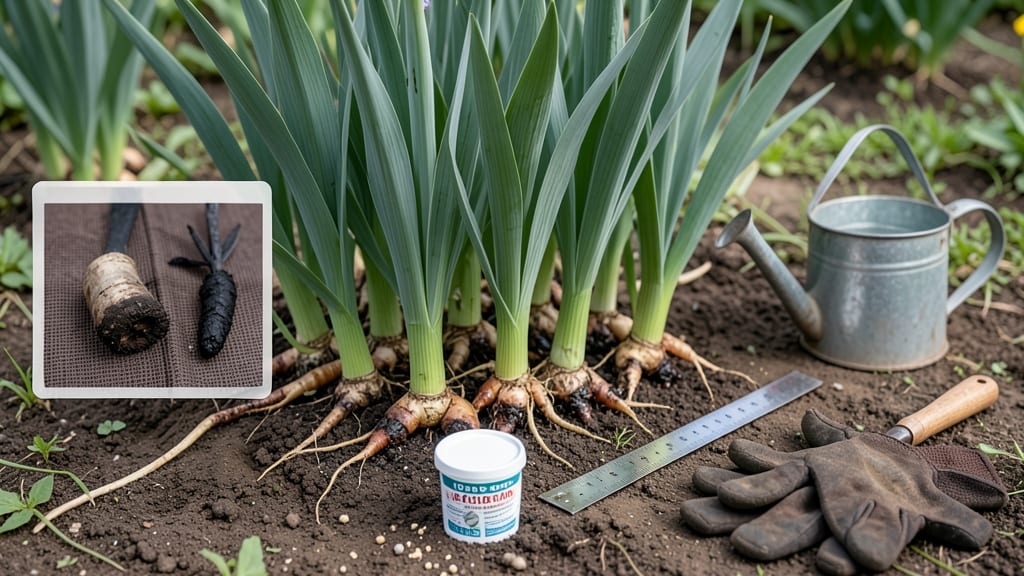
Why didn’t my irises bloom this year?—don’t worry, they’re not gone. 🌱 I’ve seen this happen after heavy rainfall or when gardeners over-fertilize, and the fix is often simpler than you’d think: check sunlight, soil health, and rhizome condition first. Most irises need 6+ hours of direct sun daily, but too much shade or sudden shade shifts can stall blooms. Dig around the base of your plants—if the rhizomes feel soft or smell musty, they’re likely rotting from overwatering or poor drainage. Healthy rhizomes should be firm and slightly woody. By late summer, you’ll see new growth emerging from the rhizomes, signaling they’re ready to bloom again next spring. The key is patience and a little soil adjustment—adding compost or sand can make all the difference. This works for both bearded and Siberian irises, whether planted in garden beds or containers. Let’s get them back on track!
The Real Culprits Behind Missed Blooms
If your irises are looking lush but stubbornly flower-free, the issue likely stems from one (or more) of these common factors. Irises thrive on balance—too much or too little of the right conditions can send them into a bloom drought.
Let’s break down the science behind why your irises might be playing hard to bloom this year.
Irises are sun worshippers—they need 6 to 8 hours of direct sunlight daily to trigger blooming. When light levels dip below this threshold, their energy shifts from flower production to survival mode.
- Why it happens: Photosynthesis in irises relies on sunlight to produce energy. Low light reduces chlorophyll activity, delaying or preventing the formation of flower buds. Shade from trees, buildings, or even overcrowded neighboring plants can block critical light.
- Signs to watch for:
- Long, leggy stems (a sign of stretching toward light).
- Fewer or smaller leaves (irises need broad, healthy foliage to store energy).
- Blooms that appear late in the season or not at all.
- Fix it:
- 🔥 Move them to a sunnier spot—even partial shade (like morning sun + afternoon shade) can reduce blooms.
- 🌡️ Prune nearby shade-makers (e.g., trees, shrubs) to restore light access.
- ✨ Consider container growing if your yard lacks sun—irises in pots can be relocated seasonally.
Irises are divas about their soil—too rich, too compact, or too acidic, and they’ll skip the show. Their roots need well-draining, slightly alkaline soil (pH 6.0–7.0) to thrive.
- Why it happens:
- Overly fertile soil: Too much nitrogen (from compost or fertilizer) promotes leafy growth at the expense of flowers. Irises store energy in their rhizomes, but excess nutrients trick them into prioritizing foliage.
- Compacted or waterlogged soil: Irises hate wet feet. Poor drainage suffocates roots, starving them of oxygen and nutrients, which halts bloom development.
- Acidic soil (low pH):strong> Irises struggle in acidic conditions (common in clay or peat-heavy soils), leading to nutrient deficiencies like iron chlorosis, which weakens blooming.
- Signs to watch for:
- Yellowing leaves (could indicate over-fertilization or chlorosis).
- Mushy or rotting rhizomes (sign of waterlogged soil).
- Stunted growth or no flower stalks.
- Fix it:
- 💡 Test your soil (a simple pH kit from a garden center works). Aim for 6.0–7.0—amend with lime if too acidic.
- 🥗 Use gritty, well-draining soil: Mix in sand, perlite, or gravel to improve drainage. Avoid heavy clay.
- 🎯 Fertilize wisely: Use a low-nitrogen, high-phosphorus fertilizer (like 5-10-10) in early spring to encourage blooms, not leaves.
Irises are seasonal sleepers—plant them at the wrong time, and they’ll either never wake up or take years to bloom. Even mature irises need precise timing to produce flowers.
- Why it happens:
- Planted at the wrong time: Irises should be planted in early fall (8–10 weeks before first frost) so their roots establish before winter. Planting in spring or summer delays blooming by a year or more.
- Too deep or shallow: Rhizomes need to be partially exposed (1/3 above soil) to dry out slightly and prevent rot. Burying them too deep suffocates them; planting too shallow exposes them to frost damage.
- Disturbed roots: Digging up irises too often (or dividing them improperly) stresses the plant, diverting energy away from blooming.
- Signs to watch for:
- No new growth in spring after planting.
- Rhizomes that look shriveled, mushy, or rotting.
- Blooms appearing only every other year (a sign of delayed root establishment).
- Fix it:
- 🔥 Plant in fall (September–October in most climates) for next-year blooms. If you missed the window, wait until early spring.
- 👨🍳 Plant rhizomes correctly:
- Place them 1/3 above soil with the fan of roots facing down.
- Space them 12–24 inches apart for airflow.
- ⏰ Avoid dividing mature clumps unless necessary (every 3–5 years). If you must divide, do it in late summer after blooming.
Irises are hardy, but unusual temperatures, drought, or pests can throw their blooming cycle off-kilter. Even one "off" year can delay flowers for a season.
- Why it happens:
- Late or early frost: Irises bloom in early to mid-spring. A late frost can kill emerging buds, while an early frost may prevent them from forming at all.
- Drought stress: Irises need consistent moisture but hate soggy soil. Too little water weakens the plant, while too much causes rot—both can halt blooming.
- Pests or disease: Iris borers (larvae that tunnel into rhizomes), slugs, or fungal infections (like iris bacterial soft rot) drain the plant’s energy, leaving no reserves for flowers.
- Signs to watch for:
- Chewed or yellowed leaves (pest damage).
- Blackened or hollow stems (borer infestation).
- Wilting despite watering (root rot or drought).
- Fix it:
- 🌡️ Protect from frost: Cover plants with frost cloth if late frosts are forecasted in your area.
- 💧 Water deeply but infrequently: Aim for 1 inch of water per
Revive Your Irises: Fixes for No Blooms
If your irises are playing hard to bloom, don’t panic—there’s almost always a fix! Below, we’ve mapped out the most common culprits behind skipped blooms and actionable solutions to bring back those stunning purple, blue, or yellow flowers next season. Think of this as your iris rescue plan.
Irises crave sunlight—at least 6 to 8 hours of full sun daily. If your garden spot is shady (thanks, towering trees or buildings!), your irises might be throwing in the towel on blooms.
How to Fix It:
- 🔥 Relocate your irises to a sunnier spot. Early morning sun + afternoon shade works in hot climates, but full sun is ideal.
- 🍳 Trim nearby obstacles: Prune overgrown shrubs or remove structures casting shade.
- 👨🍳 Test your spot: Use a sunlight tracker app (like Sun Surveyor) to confirm light levels for 24 hours.
Prevention Tips:
- 💡 Plant irises in the spring (after the last frost) when you can scout the sunniest spots.
- ✨ Avoid planting under deciduous trees—they’ll steal sunlight as leaves grow.
- 🌡️ In containers? Move pots to sunnier areas or use reflective surfaces (like white gravel) to bounce light.
Irises are divas about soil—too rich, too wet, or too compacted, and they’ll sulk by skipping blooms. They need well-draining, slightly alkaline soil (pH 6.0–7.0) with minimal fertilizer.
How to Fix It:
- 🔪 Dig in grit: Mix in coarse sand, perlite, or gravel to improve drainage (especially in clay soil).
- 🥘 Reduce organic matter: Irises hate "fertile" soil. Avoid compost or manure near the roots—it encourages leaf growth over blooms.
- 📊 Test your soil: Use a DIY pH kit or send a sample to your local extension office. Adjust with lime (to raise pH) or sulfur (to lower it).
Prevention Tips:
- 🎯 Plant in raised beds if your yard is swampy.
- 🔥 Mulch lightly: Use gravel or bark chips (not wood chips) to keep roots dry.
- ✨ Feed sparingly: Use a low-phosphorus fertilizer (like 5-10-10) in early spring—just a sprinkle!
Timing is everything! Irises planted at the wrong time (or divided too late) may focus energy on roots instead of blooms. They need cool dormancy to rebloom.
How to Fix It:
- 🌱 Plant or divide in early fall (6–8 weeks before first frost) or early spring (as soon as soil is workable).
- 👨🍳 If you missed the window: Wait until next fall—don’t plant in summer heat.
- ⏰ Prune spent blooms right after flowering to redirect energy to next year’s buds.
Prevention Tips:
- 💡 Mark your calendar: Set a reminder for September–October (fall planting) or March–April (spring).
- ✨ Avoid dividing in summer: Wait until dormancy (late summer/fall) to minimize stress.
- 🌡️ In warm climates? Plant in late winter to avoid summer heat stress.
Irises are drought-tolerant and hate soggy feet. Too much water (or poor drainage) can rot rhizomes and kill blooms.
How to Fix It:
- 🔥 Let the soil dry between waterings: Only water when the top 2 inches of soil are dry.
- 🍳 Check drainage: If water pools after rain, amend soil or plant on a slope.
- 👨🍳 Lift and inspect rhizomes: If they’re mushy or smelly, trim the rot, dust with fungicide, and replant in drier soil.
Prevention Tips:
- 💡 Plant on a mound to encourage runoff.
- ✨ Use drip irrigation (not overhead watering) to keep leaves dry.
- 🌡️ Mulch with gravel to prevent moisture buildup around rhizomes.
With these fixes, your irises should be begging to bloom next season. Start with the most likely culprit (sunlight or soil?), then tweak as needed. Patience is key—irises can take 1–2 years to rebound after neglect, but they’ll reward you with showstopping color once they’re happy!
Frequently asked questions
My irises have lots of leaves but no blooms—what's wrong?
This is classic over-fertilizing! Irises store energy in their rhizomes, and too much nitrogen (from compost or fertilizer) makes them grow leaves instead of flowers. Use a low-nitrogen, high-phosphorus fertilizer (like 5-10-10) in early spring—just a light sprinkle. Also check if they're overcrowded; dividing clumps every 3-5 years helps.
Can I still get blooms if I planted my irises in spring instead of fall?
Yes, but expect a 1-year delay! Irises need time to establish roots before blooming. If planted in spring, they'll focus on root growth first, then flower next year. For faster results, plant in early fall (6-8 weeks before frost) so they get a head start.
My iris rhizomes look mushy—what should I do?
That's a sign of root rot from overwatering or poor drainage. Dig up the rhizomes, trim away any soft/mushy parts, dust with fungicide, and replant them in well-draining soil with 1/3 above ground. Water only when the top 2 inches of soil are dry moving forward.
Will pruning my iris leaves after blooming help next year's flowers?
Yes! Prune leaves to 6 inches tall right after blooming to redirect energy to next year's buds. Never cut healthy leaves in summer—they store nutrients for winter. Only remove dead or brown foliage. This simple step can double your bloom count!
Can I grow irises in containers?
Use large pots (at least 12 inches deep) with well-draining soil and place them in full sun. Move containers to sunnier spots in winter if needed. Just ensure the rhizomes stay partially exposed (1/3 above soil) to prevent rot. Drainage holes are a must!