
Blooming
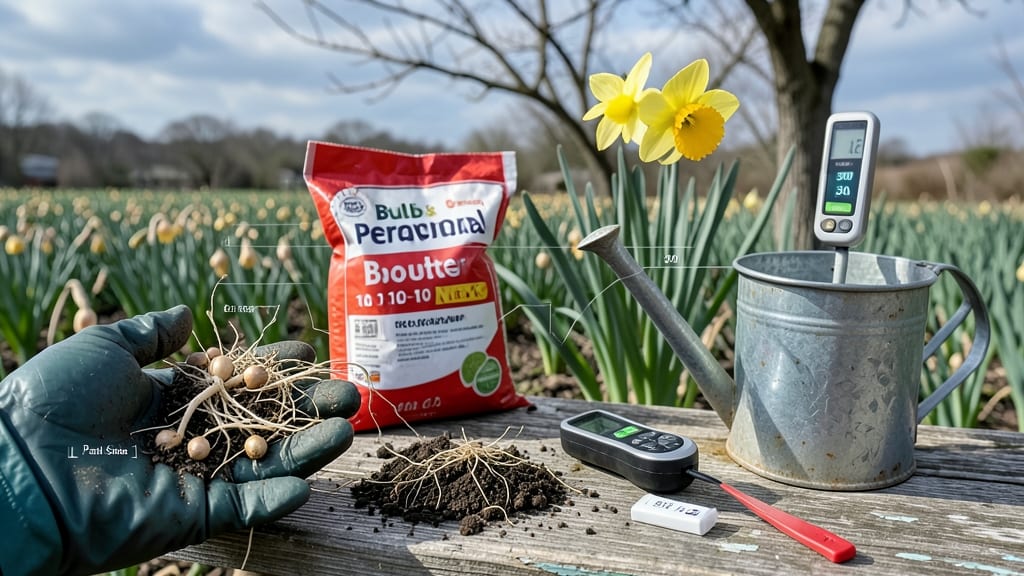
Why didn’t my daffodils bloom this year? Your golden trumpets might be storing energy underground instead of flowering—here’s why. 🌱 Last spring, I spent hours admiring my neighbors’ vibrant blooms, only to stare at my own bare stems in confusion. Turns out, daffodils need three things to bloom: sunlight, soil, and time. Without one, they’ll skip the show and focus on roots instead.
Most blooming failures come down to sunlight or soil. Daffodils need 6+ hours of direct sun daily—if your spot’s shadier, they’ll save energy for next year. Poor soil (too wet, too dry, or nutrient-poor) also halts blooms.
Even overcrowding stresses plants, forcing them to compete for resources. The good news? Fixing these issues takes just a few adjustments this fall.
By next spring, you’ll see the difference: sturdy stems pushing through soil, followed by clusters of cheerful blooms. The key is acting now—amending soil, thinning clumps, and ensuring sunlight access. With these tweaks, your daffodils will bloom like they’re auditioning for a garden center display.
Works for all daffodil types, whether you’re dealing with paperwhites, jonquils, or giant hybrids. Let’s troubleshoot step by step—your future blooms depend on it.
Common Culprits Behind Missing Blooms
Daffodils are hardy, cheerful flowers that should burst into color each spring—but when they don’t, it’s often due to a mix of overlooked factors. From hidden soil struggles to sneaky timing traps, these blooming roadblocks are easier to fix than you think.
Let’s break down the science behind why your daffodils might have skipped their big show this year.
Daffodils are sun-worshippers, and too little light is a top reason they fail to bloom. While they tolerate partial shade, they need at least 6 hours of direct sunlight daily to trigger flowering.
Here’s why light matters: - Photosynthesis shortcut: Without enough sun, the plant can’t produce enough energy (glucose) to fuel flower development.
Think of it like a battery running low—no power for blooms! - Daylength sensitivity: Many daffodils (especially early varieties) are short-day plants, meaning they bloom when daylight shortens in late winter/early spring.
If they’re planted in deep shade, they may never get the signal to flower. - Weak stems: Low light also leads to leggy, weak stems that can’t support heavy blooms.
💡 Pro Tip: If your garden is shady, try moving potted daffodils to a sunnier spot 6–8 weeks before their expected bloom time (usually late winter). For in-ground plants, prune overhanging branches or thin nearby trees to let more light in.
Daffodils are tough, but they do have soil preferences—and neglecting these can stunt blooms. The two biggest offenders?
| Issue | Why It Stops Blooms | How to Fix It |
|---|---|---|
| Compacted or Clay Soil | Roots can’t breathe or absorb water/nutrients efficiently. Oxygen starvation weakens the bulb. | Amend with compost or coarse sand (1–2 inches mixed into the top 6–12 inches). |
| Overly Rich Soil | Too much nitrogen = lush foliage but no flowers (the plant prioritizes leaves). | Use a balanced fertilizer (like 10-10-10) after blooming, not before. |
| Wrong pH (Too Acidic) | Daffodils prefer slightly acidic to neutral soil (pH 6.0–7.0). Extreme acidity locks out nutrients like phosphorus, critical for blooms. | Test your soil and add lime (for acidic soil) or sulfur (for alkaline) as needed. |
⚠️ Watch Out: If your soil is waterlogged (common in clay), daffodil bulbs can rot. Ensure drainage by planting on a slope or adding gravel beneath the soil.
Daffodils need cold stratification—a period of winter chill—to break dormancy and bloom. If temperatures stay too warm too long, they’ll skip flowering.
- No winter chill: Bulbs planted in mild-winter zones (like Zone 7+) may not get enough cold (below 40°F/4°C for 6–8 weeks).
Without this, the bulb stays in a "waiting" mode. - Early spring warmth: If temperatures spike before the daffodil’s natural bloom time (usually late winter), the plant may bolt (send up a flower stem too early) or abort blooms due to stress. - Planting too late: Bulbs need 6–8 weeks in the ground before frost to establish roots.
Planting in fall after early October can delay or prevent blooming.
🔥 Fix It:
- Chill bulbs artificially: Store newly planted bulbs in a cool, dark place (like a garage) for 6–8 weeks if your winters are too warm.
- Adjust planting time: Aim to plant bulbs 6–8 weeks before your first hard frost (usually September–October in most zones).
- Mulch early: Apply 2–3 inches of mulch after planting to protect bulbs from temperature swings.
Even healthy-looking bulbs can fail to bloom if they’re compromised.
Common culprits: - Squirrel or rodent damage: Rodents love daffodil bulbs and may partially eat them, leaving the bulb unable to produce flowers. - Disease or rot: Basal rot (from overwatering) or gray mold (Botrytis) can weaken bulbs, preventing blooms. - Old or crowded bulbs: After 3–5 years, daffodil bulbs decline.
Overcrowding also steals nutrients, leading to fewer (or no) flowers.
🛠️ Solutions:
- Inspect bulbs: Dig up a few bulbs after lifting foliage (see next section). Healthy bulbs should be plump, firm, and free of soft spots.
- Rodent-proof: Plant bulbs in wire cages or use repellents like castor oil-based sprays.
- Divide and conquer: Every 3–4 years, dig up clumps, separate bulbs, and replant the largest, healthiest ones in fresh soil.
Daffodils need specific nutrients to bloom, and a deficiency in just one can halt flower production.
| Missing Nutrient | Symptoms | Fix It With |
|---|---|---|
| Phosphorus (P) | Weak stems, small/late blooms | Bone meal or superphosphate (apply in fall). |
| Potassium (K) | Yellowing edges on leaves, weak growth | Wood ash or potassium sulfate. |
| Magnesium (Mg) | Yellow patches between leaf veins | Epsom salt (1 tbsp/gallon of water, foliar spray). |
💡 Pro Tip: Avoid high-nitrogen fertilizers (like lawn fertilizer) in early spring—they encourage leaves but delay or prevent blooms. Instead, use a low-nitrogen, high-phosphorus fertilizer after the foliage yellows (late spring).
Too much love (aka water) can drown your daffodils. Here’s how: - Waterlogged soil: Daffodil bulbs rot easily in soggy conditions. They need well-draining soil—even in winter. - Cutting foliage too soon: The leaves feed the bulb for next year’s blooms.
Trimming them before they yellow starves the bulb. - No summer dormancy: Daffodils need 6–8 weeks of dry, hot weather in summer to recharge. Overwatering in summer prevents this.
✨ Quick Fixes:
- Water deeply but infrequently: Aim for 1 inch of water per week (less in winter).
- Let foliage die back naturally: Wait until leaves turn brown and crisp before cutting them back.
- Reduce summer watering: Once blooms fade, water only if the soil is bone-dry for 2+ inches deep.
Revive Your Daffodils Now
Don’t toss those bare stems just yet! With the right fixes, your daffodils can bounce back—and bloom even better next year. Below, we’ve mapped out practical solutions for each common cause of non-blooming daffodils, plus prevention tips to keep your garden vibrant. Let’s get growing!
If your daffodils are hungry or drowning in compacted soil, they’ll skip the show. Here’s how to give them the boost they need:
✅ Step-by-Step Fix:
- Test Your Soil 🧪 Grab a soil test kit (or send a sample to your local extension office) to check pH (ideal: 6.0–7.0) and nutrient levels. Daffodils love well-draining, slightly acidic soil.
- Add Organic Matter 🍂 Mix in 2–3 inches of compost or well-rotted manure into the top 6 inches of soil around the bulb. Avoid fresh manure—it can burn roots!
- Fertilize for Blooms 🌸
- Spring (February–March): Apply a balanced bulb fertilizer (like 10-10-10) or a low-nitrogen, high-phosphorus formula (e.g., 5-10-10) to encourage flowering.
- Fall (October–November): Feed with a potassium-rich fertilizer (e.g., 0-0-50) to strengthen bulbs for next year.
- Loosen Compacted Soil 🔨 Use a garden fork to aerate the soil around bulbs, breaking up hardpan. This helps roots access water and nutrients.
💡 Prevention Tip:
- Mulch lightly (1–2 inches) with straw or shredded leaves in fall and spring to retain moisture and prevent soil crusting.
Daffodils need full sun to partial shade (6+ hours of sunlight daily). If they’re tucked in the shade of trees or buildings, they’ll focus on survival—not blooms.
✅ Step-by-Step Fix:
- Relocate Bulbs (If Possible) 🌿 Dig up bulbs in late spring/early summer (after foliage yellows) and replant them in a sunnier spot. Space them 4–6 inches apart and 6 inches deep.
- Prune Overhead Obstacles ⏳ Trim back encroaching branches or tall plants (like hostas) that block sunlight. Even 3–4 hours of morning sun can make a difference!
- Choose the Right Variety 🌼 If your yard is shady, opt for tolerant varieties like:
- Narcissus ‘Ice Follies’ (white, shade-friendly)
- Narcissus ‘Tête-à-Tête’ (compact, thrives in partial shade)
💡 Prevention Tip:
- Plant daffodils in early fall (6–8 weeks before first frost) to give roots time to establish in their new sunny home.
Daffodils need cold stratification (a winter chill) to bloom. If planted too late or too early, they may skip flowering.
✅ Step-by-Step Fix:
- Plant Bulbs at the Right Time ⏰
- Best window: 6–8 weeks before your first hard frost (typically September–October in most climates).
- Too late? If you missed the fall window, wait until next fall—don’t plant in spring!
- Simulate Winter Chill (For Warm Climates) ❄️ If your area rarely drops below 40°F (4°C), store bulbs in a cool, dark place (like a fridge) for 8–12 weeks before planting.
- Check Bulb Health 🌱
- Discard soft, moldy, or shriveled bulbs—they won’t bloom.
- Replant firm, plump bulbs with paperwork intact (the tunic protects against rot).
💡 Prevention Tip:
- Mark your calendar for next year’s planting date using your local frost chart (try [Almanac’s Frost Calculator](https://www.almanac.com/gardening/frostdates)).
Squirrels, slugs, or fungal issues can weaken bulbs, preventing blooms. Here’s how to fight back:
✅ Step-by-Step Fix:
- Squirrel-Proof Your Bulbs 🐿️
- Plant bulbs deeper (8–10 inches) or use wire mesh cages around new plantings.
- Scatter daffodil bulbs among tulips or hyacinths—squirrels dislike their strong scent!
- Slug & Snail Barriers 🐌
- Create a gravel or copper tape barrier around beds.
- Handpick slugs at dawn (they’re sluggish then!) or use iron phosphate bait (pet-safe).
- Treat Fungal Issues 🍄
- Prevent rot: Avoid overwatering and ensure good drainage.
- Fungicide spray: Use neem oil or copper fungicide if you spot mold on bulbs or foliage.
💡 Prevention Tip:
- Rotate planting spots every 3–4 years to prevent soil-borne diseases from building up.
Daffodils multiply underground, and too many bulbs in one spot compete for nutrients, leading to fewer (or no) blooms.
✅ Step-by-Step Fix:
- Dig Up & Divide Bulbs 🔪
- When: After foliage yellows and dies back (late spring/early summer).
- How: Gently lift bulbs, separate offsets (baby bulbs), and replant the largest, healthiest ones.
- Replant Properly 🌱
- Depth: 2–3 times the bulb’s height (e.g., 6 inches for a 2-inch bulb).
- Spacing: 4–6 inches apart to allow airflow and reduce disease risk.
- Compost Old Bulbs ♻️
- Discard small, damaged, or diseased bulbs—compost the healthy offsets for next year.
💡 Prevention Tip:
- Divide clumps every 3–5 years to keep blooms abundant.
Too much nitrogen = leafy greens, no flowers. Daffodils need a low-nitrogen, high-phosphorus diet for blooms.
✅ Step-by-Step Fix:
- Flush the Soil 💦
- Water deeply to leach out excess nitrogen if you’ve over-fertilized.
- Switch to Bloom-Boosting Fertilizer 🌸
- Use a 5-10-10 or 10-20-20 formula (high in phosphorus) in early spring.
- Avoid lawn fertilizers (they’re too high in nitrogen).
- Feed Lightly in Fall 🍂
- A low-potassium fertilizer (like 0-0-50) in October helps bulbs store energy for next year.
💡 Prevention Tip:
- Follow the label—more fertilizer ≠ better blooms! Daffodils are light feeders.
🎯 Final Pro Tip: Keep a gardening journal to track soil amendments, sunlight changes, and bloom results. Small tweaks (like a new fertilizer blend or sunnier spot) can turn a "no-bloom" year into a daffodil spectacular next spring! 🌼✨
Frequently asked questions
Why do my daffodils grow leaves but no flowers?
Too much nitrogen in your soil forces daffodils to focus on leaf growth instead of blooms. Check your fertilizer—switch to a low-nitrogen, high-phosphorus formula (like 5-10-10) in early spring. Avoid lawn fertilizers, which are nitrogen-heavy.
Can I still get blooms if I planted daffodils too late last fall?
Unfortunately, no. Daffodils need 6–8 weeks in the ground before frost to establish roots. Plant them this fall (September–October) for next year’s blooms. If you missed the window, wait until next fall—spring planting won’t work!
How do I know if my daffodil bulbs are too crowded?
Dig up a bulb after foliage yellows—if you see multiple small offsets clustered around one large bulb, they’re overcrowded. Divide them every 3–5 years by separating the largest, healthiest bulbs and replanting them.
Will pruning my daffodil leaves affect next year’s blooms?
Yes! Never cut leaves until they turn brown and crisp—they feed the bulb for next year’s flowers. Trim only the dead foliage, leaving the base intact. This ensures your bulbs store enough energy to bloom again.
Are my daffodils getting enough sun if they’re under a tree?
Probably not. Daffodils need 6+ hours of direct sun daily. If under a tree, try moving potted daffodils to a sunnier spot or prune branches to let more light through. Even 3–4 hours of morning sun can help!