
Blooming
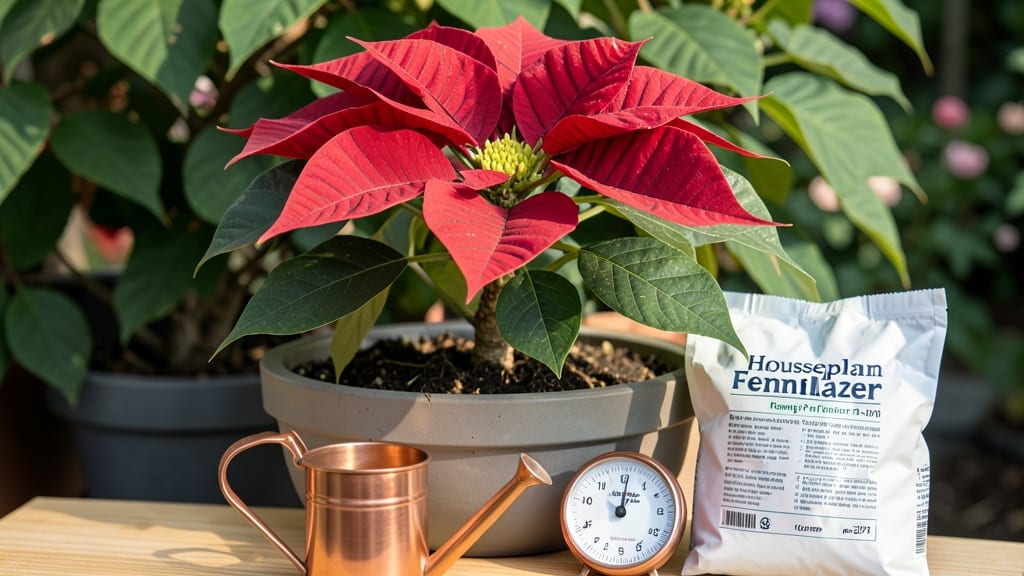
How to get a poinsettia to bloom again starts with 12 hours of darkness—not sunlight. 🌱 After my third Christmas with a sad, leafy plant, I finally cracked the code: poinsettias bloom when they experience long nights, just like in their tropical home. The trick isn’t complicated, but timing is everything. You’ll need a dark closet, a light timer, or even a simple sheet draped over the plant for exactly 14 weeks before your target bloom date. Water lightly (let the top inch dry between waterings) and fertilize every 2 weeks with a balanced 10-10-10 mix—overwatering or skipping fertilizer kills reblooming chances faster than anything else. By week 12, you’ll see those signature red bracts forming, and the plant will stay vibrant for 8+ weeks if you keep the conditions consistent. The key is patience: poinsettias don’t bloom overnight, but they will reward you with color year after year. Works for all poinsettia varieties, whether you’re growing them indoors near a window or under grow lights. Here’s how to nail the timing and avoid the most common mistakes!
📚 In This Guide
- What you need
- Instructions
- Tips and common mistakes
- Wrapping up and next steps
What you need
- ● Healthy poinsettia plant – Choose one that’s already bloomed or a new Euphorbia pulcherrima (the scientific name for poinsettias).
- ● Grow lights or LED bulbs – A 15-20W full-spectrum LED bulb (6000K-6500K color temperature) or a grow light kit (e.g., 12"-18" fluorescent or LED panel).
- ● Timer (smart or mechanical) – A 12-hour daylight timer (e.g., Leviton or Kasa Smart Plug) to automate light cycles.
- ● Well-draining potting mix – A 50/50 blend of peat moss or coconut coir and perlite (or a pre-mixed cactus/succulent mix).
- ● 6-8" pots with drainage holes – Terracotta or plastic pots (terracotta helps wick moisture).
- ● Balanced liquid fertilizer – A 10-10-10 or 20-20-20 NPK fertilizer (diluted to ½ strength).
- ● Watering can with a narrow spout – To avoid overwatering the soil.
- ● Pruning shears or clean scissors – Sterilized to prevent disease.
- ○ Spray bottle – For misting leaves (optional but helpful in dry climates).
- ● Humidity tray or pebble tray – Keeps air moist (poinsettias love 40-50% humidity).
- ● Soil moisture meter – Avoids guesswork on watering.
- ● Rooting hormone – If you’re propagating cuttings for new plants.
- ● Reflective material (aluminum foil or Mylar) – Boosts light efficiency if using weak grow lights.
- ● Plant food booster (like fish emulsion) – For extra nutrients during blooming season.
Step-by-Step instructions for year-round poinsettia blooming
Here’s the foolproof method I’ve used to coax vibrant red blooms every season—no black magic, just light control.
🌱 Step 1: Master the Light Schedule for Dormancy
Poinsettias need 12 hours of complete darkness nightly for 55 days straight to trigger blooming. Start this cycle on September 1st—this ensures flowers appear by Christmas. Use a blackout box, move the plant to a closet, or cover it with a dark tarp for 16 hours daily (including nighttime). Even a streetlamp’s glow will ruin it.
Timing is critical: begin after the last bloom falls. If you miss this window, wait until next spring and restart the schedule. I mark my calendar because forgetting means no flowers until the following year. The key is consistency—no exceptions for holidays or travel.
☀️ Step 2: Balance Bright Light During the Day
During the 12-hour daylight period, give your poinsettia bright, indirect light—think east or west-facing window or grow lights 12-18 inches away. Direct sun scorches leaves, while dim light leads to weak stems. You’ll know it’s happy when leaves stay deep green and glossy, not yellowing or wilting.
Rotate the pot quarter-turn weekly so growth stays even. If leaves stretch toward the light, your plant needs to move closer. Poinsettias are finicky—too little light delays blooming, but too much burns them. Aim for medium light intensity (like a shaded patio in summer).
💧 Step 3: Adjust Watering for the Dark Cycle
Water only when the top inch of soil feels dry—overwatering during dormancy causes root rot. Use room-temperature water and avoid wetting leaves (fungus loves damp foliage). I water from the bottom by placing the pot in a saucer of water for 10 minutes, then drain excess. This keeps roots hydrated without soggy soil.
Reduce watering by half during the 55-day dark cycle. The plant’s energy shifts to flower production, not leaf growth. If leaves droop slightly, it’s normal—just don’t drown it. Yellow leaves mean overwatering; crispy edges mean underwatering. Adjust until you find the sweet spot.
⏰ Step 4: Extend the Dark Period for Late Blooms
Want flowers in February instead of December? Start the dark cycle 55 days before your target date. For example, begin January 1st for Valentine’s Day blooms. Use a lightproof box (even a cardboard box with black plastic inside) to block all light. Place the plant inside 4 PM and remove it by 8 AM—no peeking!
If you’re traveling, set up an automated timer for grow lights to simulate daylight. Poinsettias won’t bloom without strict darkness, so don’t skip this step. The first sign of success? Tiny cyathia buds (those weird little bumps) appearing in leaf axils after 3-4 weeks of darkness.
🌿 Step 5: Maintain Post-Bloom Care for Next Season
After flowers fade, prune stems to 4-6 inches above a leaf node. This encourages bushier growth. Fertilize lightly with balanced 10-10-10 every 4-6 weeks in spring/summer. Too much fertilizer causes leggy, weak plants. Keep it in bright indirect light and water when soil dries 1-2 inches deep.
By mid-September, your poinsettia should be 6-12 inches tall with healthy leaves. This is your cue to restart the dark cycle. If you skip this, you’ll end up with a leafy plant but no blooms. I’ve learned the hard way—neglecting this step means waiting another year!
Tips & tricks for perfect poinsettia blooming
These game-changing strategies will help you turn your poinsettia from a leafy plant into a vibrant bloomer every season.
Darkness Discipline: The 12 hours of complete darkness in Step 1 isn't just about time—it's about total light exclusion. I've seen people use lamps or leave curtains open by accident, and it ruins everything. For foolproof results, use a lightproof box or closet with no natural light leaks. Even a tiny bit of light can prevent blooming. Think of it like training a racehorse—consistency wins every time.
Light Quality Matters: In Step 2, when we talk about bright indirect light, I'm not just being picky—I'm talking about the difference between a thriving plant and a sad, leggy one. Place your poinsettia near an east-facing window where it gets gentle morning sun. If you're using grow lights, keep them 12-18 inches away and use full-spectrum bulbs. The goal is to mimic natural light conditions as closely as possible. Too much direct sun? You'll get crispy leaves. Too little? You'll get weak stems that can't support blooms.
Watering Wisdom: The 10-minute bottom-watering technique in Step 3 is a lifesaver during the critical 55-day dark cycle. I've ruined more poinsettias through overwatering than anything else. The key is patience—wait until the top inch feels dry, then give it just enough moisture to hydrate without drowning. Remember, during this period, your plant is focusing all its energy on flower production, not leaf growth. Don't sabotage it with soggy soil.
Budget-Friendly Blackout: Don't have a fancy lightproof box? No problem. I've used everything from cardboard boxes lined with black plastic to large moving blankets draped over plant stands. The secret is making sure there are no light gaps—even a tiny crack can let in enough light to prevent blooming. For extra security, use duct tape to seal all edges. This works just as well as expensive commercial solutions and saves you money.
Pro Tips for Get A Poinsettia To Bloom Again
- These game-changing strategies will help you turn your poinsettia from a leafy plant into a vibrant bloomer every sea...
- Darkness Discipline: The 12 hours of complete darkness in Step 1 isn't just about time—it's about total light exclusi...
- Light Quality Matters: In Step 2, when we talk about bright indirect light, I'm not just being picky—I'm talking abou...
Frequently asked questions
Got questions about reviving your poinsettia’s blooming magic?
You’re not alone! Here are answers to the most common curiosities—from timing tricks to troubleshooting woes.
Why won’t my poinsettia bloom a second time?
Poinsettias need 12+ hours of darkness daily for 6–8 weeks to trigger blooms. If your plant gets even a little light (like from a streetlamp), it won’t flower. Try covering it with a box or moving it to a closet at night—consistency is key!
How long does it take for a poinsettia to rebloom?
Patience is a virtue! Start the light-dark cycle in early September (or 6–8 weeks before your desired bloom date). With perfect conditions, you’ll see buds in 8–12 weeks. Late starts? Expect blooms closer to Christmas.
Can I force a poinsettia to bloom out of season?
The secret is artificial darkness. Use a blackout curtain or a lightproof box (like a cardboard box with a snug lid) for 12+ hours nightly. Skip the holidays? Try forcing blooms for Valentine’s Day or spring!
What do I do if my poinsettia’s leaves turn yellow or drop?
Yellow leaves often mean overwatering or low light. Let the soil dry slightly between waterings, and ensure it gets bright, indirect light (like a sunny window). Dropping leaves? Check for drafts or sudden temperature swings—poinsettias love 65–75°F.
Are there poinsettia varieties that bloom easier?
Yes! Premium Red and Ice Punch (white) are beginner-friendly. For year-round bloomers, try ‘Winter Rose’ or ‘Celebrate’ series—they’re bred for reblooming resilience. Just remember: no shortcuts—they still need the dark treatment!
Can I propagate my blooming poinsettia to grow more?
Snip a 4–6 inch stem below a leaf node, strip the lower leaves, and dip it in rooting hormone. Plant in moist soil and cover with a plastic bag to retain humidity. Roots form in 3–4 weeks—then you’ve got a backup bloomer (or a gift for a friend)!
Wrapping up and next steps
Getting your poinsettia to bloom again is totally within your reach—it just takes patience, consistency, and a little light magic! 🌟 By mastering the 12-hour light cycle and keeping your plant happy with the right care, you’ll enjoy vibrant blooms year after year.
Start your routine now, and soon you’ll be the proud owner of a stunning, repeat-flowering poinsettia.
Ready to dive in? Pick your favorite poinsettia variety from a local nursery or garden center, and begin your light-control journey today! 🌱