
Flowers
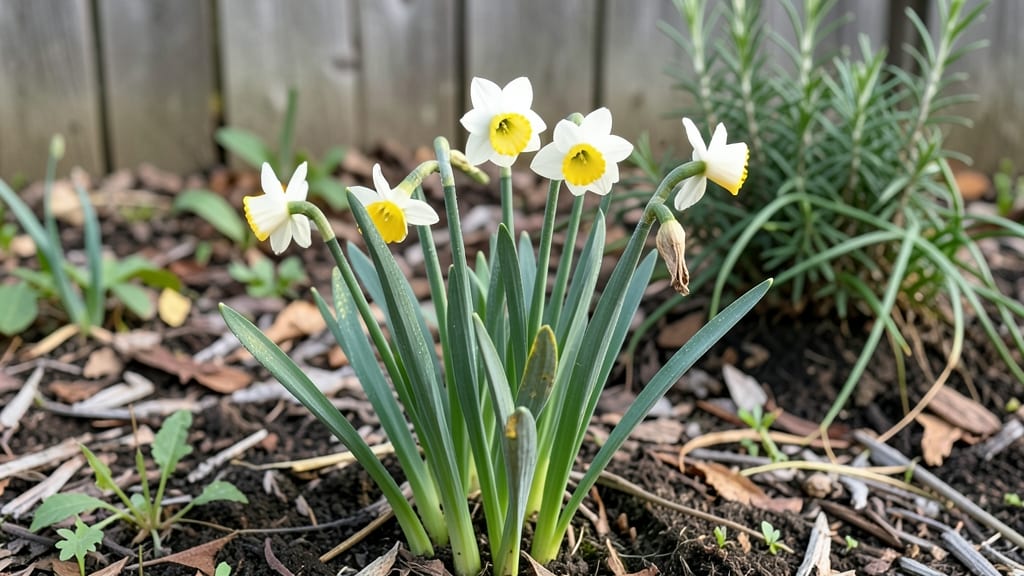
Planting white narcissus bulbs in fall is the secret to a garden that wakes up every spring with bright, cheerful blooms—but timing and technique matter more than you might think.
Imagine a spring garden bursting with pristine white narcissus blooms—elegant, fragrant, and effortlessly cheerful. Planting these bulbs at the right time and in the right way ensures they’ll return year after year, transforming your landscape into a timeless display of beauty.
In USDA Zone 6a, the ideal window is between September and November, when soil temperatures drop but before the ground freezes. Too early, and the bulbs may sprout and get nipped by cold. Too late, and they won’t establish strong roots before winter sets in.
Below, I’ll walk you through the exact steps to plant them for maximum bloom potential, from soil prep to spacing, plus how to care for them through the seasons so they thrive for years to come.
Best planting times and locations for white narcissus bulbs
Timing is everything when planting white narcissus bulbs—these delicate beauties thrive when given the right conditions to establish roots before winter. In most USDA zones 3-8, fall planting is ideal, but regional adjustments matter.
For example, gardeners in Zone 9+ can plant as late as December, while northern climates need to finish by early November. The key is planting 4-6 weeks before the first frost to allow roots to develop.
Choosing the perfect planting location ensures vibrant blooms. White narcissus love full sun (6+ hours daily) but tolerate partial shade in hotter climates. Avoid low-lying areas where water pools—well-draining soil is non-negotiable.
Amend heavy clay with compost or sand to prevent rot. A spot with shelter from strong winds also helps delicate stems stay upright during spring rains.
Spring planting is possible but riskier—only attempt it in mild-winter zones (7-9) or if you forget to plant in fall. For spring plantings, use pre-chilled bulbs (available at nurseries) or soak them in water for 24 hours to simulate winter. Plant as soon as soil is workable (around March-April), but expect smaller blooms the first year compared to fall-planted bulbs. Your soil type plays a critical role. Test your garden soil—white narcissus bulbs hate soggy conditions. Sandy loam is ideal, but even heavy clay can work if amended with organic matter like compost or peat moss. A simple test: Dig a hole, fill it with water, and time how long it drains. If water lingers beyond 2 hours, improve drainage before planting. Raised beds are perfect for problem soils. Consider your garden’s microclimates when selecting spots. A south-facing border gets sun all day, while a north-facing area may need partial shade. Avoid planting near large trees or shrubs that compete for nutrients or cast dense shade. Instead, pair white narcissus with early spring bloomers like crocuses or hellebores for a layered, long-lasting display. Just ensure the companions have similar water and sunlight needs. In containers or pots, white narcissus bulbs need well-draining mixes like cactus soil blended with perlite. Use pots at least 8 inches deep and place them in full sun. Remember, container-grown bulbs dry out faster—check moisture weekly. Overwinter pots in a cool, dark garage (40-50°F) until spring replanting. This method works well for urban gardeners or those with limited space. One common mistake is planting too shallowly. The rule of thumb is 3x the bulb’s height—so a 2-inch bulb goes 6 inches deep. Shallow planting leads to weak stems and poor blooms. Use a bulb planter or your finger to create holes at the correct depth. After planting, water deeply to settle soil around the bulb and encourage root growth. A light layer of mulch (1-2 inches) retains moisture and regulates soil temperature. If you’re unsure about your USDA zone, check the average first frost date for your area. Local extension offices or gardening apps like PlantSnap can help. For example, in Zone 5, aim to plant by October 15, while Zone 8 gardeners have until December 1. Adjusting for your specific zone ensures bulbs have enough time to root before winter dormancy. Pro tip: Mark your planting calendar with reminders 4-6 weeks before frost. For long-term success, rotate planting spots every few years. This prevents
Factor
Northern Gardens (Zones 3-6)
Southern Gardens (Zones 7-9)
Best Planting Time
September-October (4-6 weeks before frost)
October-December (avoid summer heat)
Soil Temperature
50-60°F (10-15°C)
60-70°F (15-21°C)
Sunlight Needs
Full sun (6+ hours)
Full sun to partial shade
Depth Requirement
6 inches deep
4-6 inches deep
Spacing
6 inches apart
4-6 inches apart
Soil pH
6.0-7.0 (neutral)
6.0-7.0 (neutral)
Mulch Type
Organic mulch (2-3 inches)
Light mulch (1-2 inches)
Step-by-step guide to planting white narcissus bulbs for spring blooms
Planting white narcissus bulbs correctly is key to getting those stunning spring blooms year after year. These bulbs thrive when planted in well-draining soil and receive plenty of sunlight. The timing and technique matter—plant too early or too shallow, and you risk poor root development or even bulb rot.
Let’s break it down so your garden becomes a white narcissus paradise next spring.
Before you start, gather your supplies: white narcissus bulbs, a trowel, compost or bulb fertilizer, and a garden hose. Choose a spot that gets at least 6 hours of sunlight daily and has loose, fertile soil.
If your soil is heavy clay, amend it with compost to improve drainage. Avoid spots where water pools, as soggy soil can suffocate bulbs and lead to rot.
Planting White Narcissus Bulbs: Your Step-by-Step Guide
- 1 Prepare the Soil: Loosen the soil to a depth of 12 inches using a fork or trowel. Mix in 2-3 inches of compost or bulb fertilizer to enrich the soil. This ensures your bulbs have the nutrients they need to establish strong roots.
- 2 Plant the Bulbs: Place each white narcissus bulb in the hole with the pointed end facing up. Plant them 6 inches deep and 6 inches apart. This spacing gives roots room to spread and prevents overcrowding, which can lead to weaker blooms.
- 3 Cover and Water: Once planted, cover the bulbs with soil and gently water them to settle the dirt. Avoid soaking the soil, as bulbs need well-draining conditions. Water lightly but consistently until the ground freezes, keeping the soil moist but not soggy.
- 4 Add Mulch: Apply a 2-inch layer of mulch around the bulbs to insulate them during winter. Use straw, shredded leaves, or pine needles. Mulch helps regulate soil temperature and protects bulbs from freezing temperatures and rodent damage.
- 5 Wait for Spring: After planting, let nature do the work. The bulbs will establish roots over winter, preparing for a burst of white narcissus blooms in spring. Avoid disturbing the soil until you see green shoots emerging in early spring.
Avoid these common mistakes: planting too shallow (less than 6 inches deep) can expose bulbs to frost damage, while planting too deep may prevent them from blooming.
Also, skip fertilizing right after planting—wait until early spring when shoots appear. Overwatering is another pitfall; bulbs need moisture but can’t handle soggy soil.
Once your white narcissus bulbs are in the ground, resist the urge to fertilize until spring. The bulbs will store energy over winter, and adding fertilizer too soon can encourage leafy growth at the expense of flower development.
Instead, focus on keeping the soil moist and weed-free until the first shoots appear in spring.
With these steps, your white narcissus bulbs will reward you with elegant spring blooms for years to come. The key is patience—let the bulbs establish strong roots, and they’ll thrive with minimal effort. Soon, your garden will be a showcase of pristine white beauty every spring! 🌼