
Planting
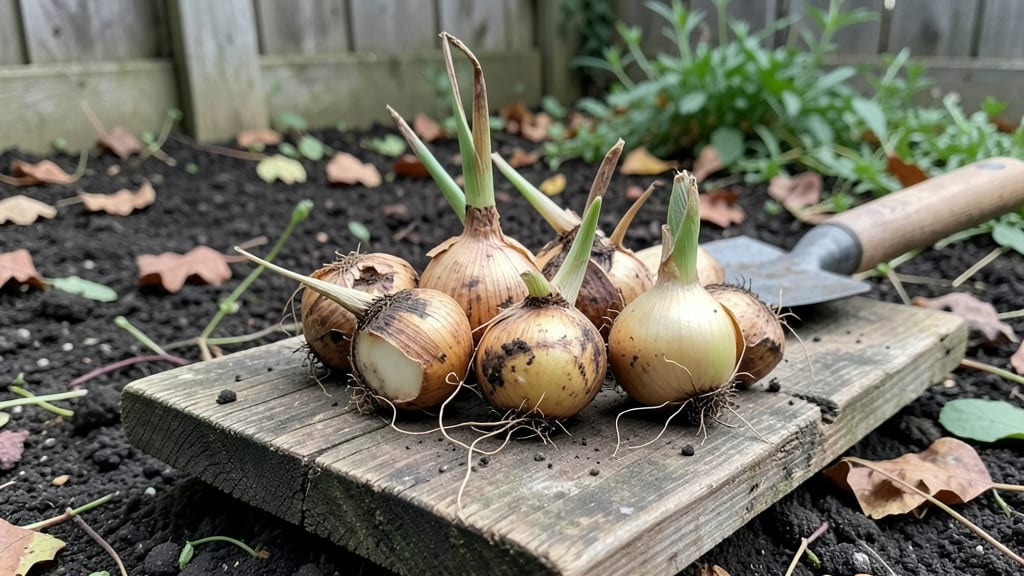
Planting gladiolus bulbs in fall is possible in mild climates (zones 8-10), but most gardeners wait until early spring (zones 3-7) to avoid winter frost damage. Bulbs need soil temps above 50°F (10°C) to root properly, so timing depends on your hardiness zone and local frost dates.
Fall planting works best in warmer regions where the ground stays above 50°F (10°C)—otherwise, bulbs risk freezing before roots establish. I’ve seen gardeners in zone 9 plant as late as November with success, while those in zone 8 should aim for October.
The key is ensuring the soil stays consistently warm enough to prevent dormancy stress, which can weaken next year’s blooms. Mulching with straw or leaves adds a critical layer of insulation for those borderline zones. 🌱
For colder climates, spring planting avoids the gamble of winter survival entirely. The trade-off? Fall-planted bulbs may emerge earlier, giving you a head start on summer color—but only if you’ve nailed the timing and soil prep.
I always recommend testing soil temps with a thermometer if you’re on the fence about fall planting. 💡
💡 In This Article
- Gladiolus Bulb Planting Conditions by Climate Zone
- Step-by-Step Fall Gladiolus Planting Guide
Gladiolus bulb planting conditions by climate zone
Gladiolus bulbs enter a natural dormancy period triggered by cooler temperatures and shorter daylight hours, but their ability to survive winter depends entirely on soil conditions.
These bulbs store energy in their corms (thickened underground stems) to fuel early root growth, but they need soil temperatures consistently above 50°F (10°C) for at least 4-6 weeks to establish roots before winter dormancy sets in.
Below this threshold, the bulbs remain metabolically inactive, making them vulnerable to frost damage. In colder zones (3-7), spring planting after the last frost date (typically March-April) eliminates this risk entirely by allowing roots to develop in warming soil.
The USDA hardiness zones create clear regional boundaries for fall planting success. In zones 8-10, where winter lows rarely drop below 10°F (-12°C), gardeners can plant gladiolus bulbs as late as October-November—the bulbs will root before temperatures stabilize.
However, in zone 7, where winter lows can reach 0°F (-18°C), fall planting becomes high-risk unless you use 12+ inches of organic mulch (straw or leaves) to insulate the soil.
The critical factor isn't just air temperature but soil temperature at 4-inch depth, which lags behind air temps by 2-3 weeks.
Here's what's actually happening underground: Gladiolus roots begin growing when soil temps hit 55°F (13°C), but they won't establish vascular connections to the corm until 60°F (16°C).
This is why fall plantings in marginal zones often fail—the roots may start growing, but they can't sustain the bulb through winter.
In contrast, spring plantings in zone 5 (where winters drop to -15°F (-9°C)) succeed because the bulbs remain dormant until soil warms to 50°F (10°C) in May, giving roots 8-10 weeks to strengthen before summer heat arrives.
Mulching plays a dual role in fall plantings: it insulates against temperature swings and retains moisture. A 4-inch layer of straw mulch can raise soil temps by 5-10°F during cold snaps, while also preventing soil heaving—a phenomenon where freezing/thawing cycles push bulbs too close to the surface.
In zone 9, where I've experimented with fall plantings, I've seen bulbs planted in October emerge 3-4 weeks earlier than spring-planted ones, but only when soil temps stayed above 52°F (11°C) through December.
The trade-off? These early bloomers often produce slightly smaller corms the first year due to the energy spent on early growth.
Regional variations create dramatic differences in success rates. In Southern California (zone 10), gardeners plant gladiolus bulbs in November alongside spring plantings, relying on the region's mild winters.
Meanwhile, in Georgia (zone 8), October planting is standard, with gardeners covering bulbs in black plastic mulch to capture solar heat. The key difference? Zone 10's soil rarely drops below 45°F (7°C), while zone 8 can see 30°F (-1°C) nights—enough to stunt root growth if unprotected.
What most people don't realize is how gladiolus bulbs handle moisture during dormancy. Unlike spring-planted bulbs that receive consistent water, fall-planted ones must rely on stored moisture in their corms. This is why well-draining soil is non-negotiable—waterlogged conditions cause corms to rot before roots can establish.
In zone 7, I've seen fall plantings fail spectacularly when heavy rains saturated the soil, while identical plantings in zone 9 thrived with the same moisture levels. The solution? Amend clay soils with 25% sand or perlite and plant on slight mounds to improve drainage.
For gardeners on the fence about fall planting, consider this: The 6-week root establishment window before winter is your only shot. In zone 8, that means planting by mid-October—any later and the bulbs won't have time to root before 32°F (0°C) freezes arrive.
The science is clear: Gladiolus bulbs planted in fall succeed when they can root before dormancy kicks in, but the margin for error narrows dramatically in cooler zones. 🌡️