
Transplanting
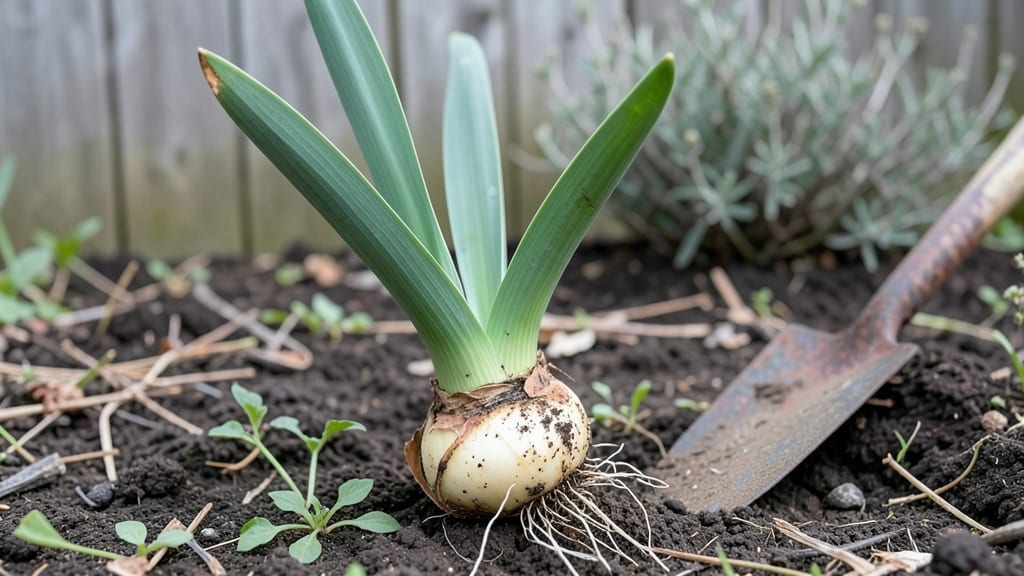
Moving daffodil bulbs is best done after their foliage yellows and dies back naturally in late spring or early summer, typically 6-8 weeks post-blooming. This ensures stored nutrients return to the bulb for next year’s growth, while avoiding dormancy periods when roots are inactive.
Timing matters because daffodils store energy in their bulbs during the 6-8 weeks after blooming—when leaves turn yellow and wilt. 🌱 This natural process ensures the bulb has enough reserves for next spring’s flowers, so transplanting too early disrupts that cycle.
I’ve learned that patience pays off; waiting until foliage fully collapses (even if it’s late June) gives bulbs the best chance to thrive in their new spot.
Climate plays a role too—cooler northern regions may need to wait until early summer to avoid accidental dormancy from early frost, while warmer southern zones can transplant slightly earlier. Always check for firm, healthy bulbs before digging; soft or shriveled ones signal stress or disease, which could spread during relocation.
💡 In This Article
- Daffodil Bulb Growth Cycle and Transplant Timing
- Step-by-Step Guide to Relocating Daffodil Bulbs
Daffodil bulb growth cycle and transplant timing
Here's what's actually happening underground when those daffodil leaves start yellowing: the plant is performing a biological masterpiece called photosynthesis-to-storage transition. During the blooming phase, the foliage captures sunlight to produce energy, but once flowers fade, the plant shifts focus to the bulb.
This is when the leaves act like solar panels, converting 15-20% of their energy production into starches that get transported down to the bulb through specialized vascular bundles.
The key factor is the bulb's root development timeline. After blooming, daffodils develop new roots that grow outward from the base, creating a network that can extend 12-18 inches deep by transplant time.
These roots are delicate—disturbing them before they're fully formed (usually 6-8 weeks post-bloom) can cause the bulb to develop rot or fungal infections during dormancy. The foliage's yellowing is your visual cue that this root system is mature enough to handle relocation without stress.
What most people don't realize is how climate zones create different transplant windows. In USDA Zone 3-5 (northern regions), you might need to wait until late June or July to avoid accidental dormancy from early frosts, while Zone 7-9 gardeners can start as early as May.
The rule is simple: transplant when foliage is completely brown and crispy—this means the bulb has finished its energy storage cycle and is entering a protective dormancy phase.
There's a scientific reason why timing matters so much: daffodils store nutrients in their bulbs during this period, creating what botanists call reserve carbohydrates. These reserves fuel next year's growth, and interrupting this process too early can leave your bulbs weak or non-flowering.
For example, bulbs transplanted in April or early May (before full foliage collapse) often produce 30-50% fewer blooms the following spring because they didn't complete their energy storage cycle.
Consider these key factors when planning your transplant: soil temperature should be above 60°F to prevent shock, and rainfall patterns matter—avoid moving bulbs during prolonged dry spells or heavy rains.
The ideal window is typically 4-6 weeks before your first expected frost date, giving bulbs time to establish roots before winter dormancy begins. This timing ensures they'll have a full growing season to recover and prepare for next year's display.
One advanced consideration is how different daffodil varieties have slightly varied cycles. For instance, large-cupped varieties often take 2-3 weeks longer to complete their foliage cycle compared to jonquil types.
Always observe your specific plants—they'll give you the best signal through their foliage color and texture. The moment the leaves turn completely brown and papery is your green light to dig.
Here's a pro tip: if you're moving bulbs in hot, dry climates, water the area 24 hours before digging to soften the soil and make extraction easier. The bulbs will thank you with stronger blooms next season! 🌟