
Blooming
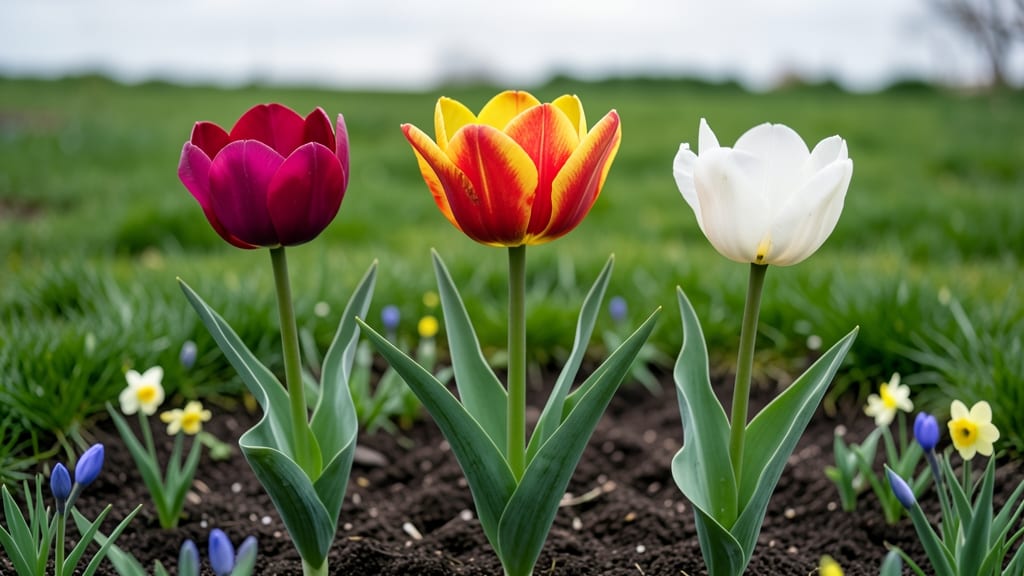
Tulips in Wisconsin bloom between late April and early June, depending on frost dates and variety—so timing your planting is the key to vibrant spring displays.
Wisconsin gardeners know timing is everything—and tulips are no exception. Planting too early or too late can mean missed blooms, but understanding frost dates and variety types lets you enjoy 🌷 vibrant tulips from late April to early June.
In USDA zones 4b-5b, early bloomers like 'Red Emperor' may peek through the soil by mid-April, while late varieties like 'Queen of Night' hold off until May or June. The difference? Frost dates and how you prep your soil.
Below, I break down the exact frost windows for Wisconsin, which tulip types thrive in your region, and how to stretch your blooms through unpredictable spring weather—so you’re not left with wilted petals before the season even starts.
Tulip bloom timing in Wisconsin by frost zones (early vs. late varieties)
Wisconsin's frost zones 4-6 create dramatic differences in tulip bloom timing. In Zone 4b, early varieties like 'Ice Follies' may bloom as early as late April, while late bloomers like 'Queen of Night' wait until early June.
Understanding these windows lets you plan for sequential color displays throughout spring.
Your last average frost date (typically April 15) acts as a critical threshold. Early tulips often push through light frosts (28°F), but late varieties need consistent warmth before emerging. This means Zone 5b gardeners can expect blooms 1-2 weeks earlier than Zone 4b neighbors.
Here's how Wisconsin's frost zones break down for tulip blooming:
For Zone 4b gardeners, 'Ice Follies' (white) and 'Red Emperor' are reliable early choices that often bloom before Memorial Day. These varieties can handle light spring frosts (28°F) once established, making them ideal for northern Wisconsin landscapes.
In Zone 5b, where springs arrive 1-2 weeks earlier, you can extend your bloom season by mixing 'Queen of Night' (purple) with 'Darwin Hybrid' varieties. The Darwin hybrids (like 'Apeldoorn') bloom 2 weeks later than standard tulips, creating a prolonged display through early June.
My biggest tip for Wisconsin gardeners: Plant early varieties in full sun and late varieties in slightly shaded areas to stagger blooms. The sun exposure difference can create 10-14 days of separation between your earliest and latest tulips, extending your seasonal color palette.
Don't forget that soil temperature plays a crucial role. Tulip bulbs need 40-50°F soil for 6-8 weeks to properly root before blooming. In Zone 4b, this means planting bulbs by mid-October—any later and they may not establish roots before winter sets in.
For container gardening in Wisconsin, choose dwarf varieties like 'Tiny Star' (6-8 inches tall) which bloom 1-2 weeks earlier than standard types. These work beautifully on patios and balconies where frost pockets can delay ground planting.
Protect your late-blooming varieties with lightweight frost cloth if unseasonable frosts threaten after April 15. A single layer can raise temperatures by 5-8°F, often enough to save emerging buds from damage.
Remember: Tulip foliage must remain until it yellows naturally—this ensures next year's blooms. In Wisconsin's short growing season, this means leaving leaves until late June or early July, even after flowers fade.
How to extend tulip blooms in Wisconsin’s unpredictable spring weather
Wisconsin’s spring weather can be a real challenge for tulip lovers—late frosts often catch early bloomers off guard. But with the right strategies, you can protect your tulips and enjoy vibrant blooms from late April through June.
The key lies in mulching, frost protection, and choosing hardy varieties that thrive in Wisconsin’s USDA Zones 4b-5b.
One of my favorite tricks is using Darwin hybrid tulips, which are bred to withstand colder temperatures and often bloom later in the season. These varieties, like 'Queen of Night' or 'Red Emperor', are less likely to be damaged by late frosts.
Pairing them with proper mulching can make all the difference in extending your tulip season.
⚠️ callout warning ⚠️
Wisconsin’s average last frost is around April 15, but unpredictable cold snaps can delay blooms by 2-3 weeks. If your tulips are budding before this date, act fast—cover them with frost cloth or lightweight row covers to shield them from damage.
🌱 Pro Tip: Secure covers with bricks or stakes to prevent wind damage and ensure airflow.
Another essential step is applying a 3-4 inch layer of mulch around your tulip beds in early spring. Use straw or shredded leaves to insulate the soil and regulate temperature.
This method helps protect bulbs from temperature fluctuations and keeps the ground warmer longer, encouraging healthier growth. Just be sure to remove mulch once blooming starts to avoid rotting.
For added protection, consider using frost cloth or even old bedsheets in a pinch. Drape them over tulips when a frost warning is issued, and remove them during the day to allow sunlight.
Avoid plastic sheets, as they can trap too much heat and cause damage. I’ve seen gardeners in Milwaukee and Madison successfully extend their tulip season by 10-14 days using this method.
If you’re planting new tulips, focus on late-blooming varieties like 'Ice Follies' or 'White Dream'. These types naturally bloom later in the season, reducing the risk of frost damage. Plant them in well-draining soil and in a location that gets full sun (6+ hours daily) to ensure they thrive.
Pairing them with perennials like daffodils can also create a stunning, long-lasting display.
Finally, monitor your garden closely. If you notice buds swelling before frost season ends, take immediate action. A quick spray of water on the buds can lower their temperature slightly and offer temporary protection.
With these strategies, you’ll be well on your way to enjoying longer tulip blooms in Wisconsin’s unpredictable spring.