
Blooming
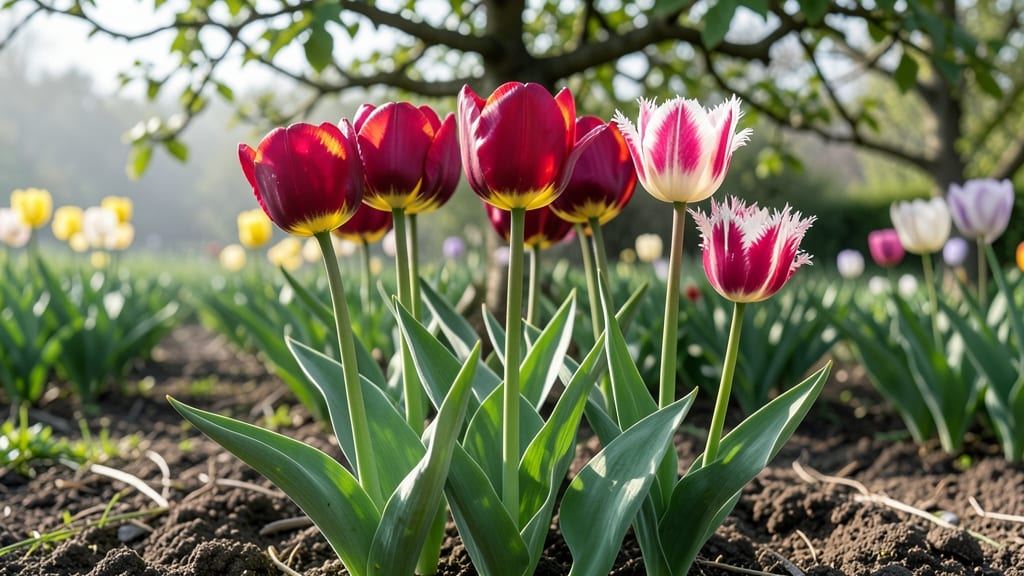
Tulips bloom in California between late February and early May, but the exact timing depends on your region’s microclimate and the variety you choose.
Picture this: vibrant 🌷 displays popping up in coastal gardens by mid-March, while inland areas might not see their first blooms until April. That’s because California’s diverse zones—from chilly coastal areas to warm inland valleys—create a staggered bloom parade.
Whether you’re in Zone 9-10 along the coast or Zone 7-9 inland, the right tulip varieties can make all the difference. Some, like Darwin Hybrids, thrive in cooler coastal climates, while others, such as Fosteriana, handle the heat better in inland zones.
In this guide, you’ll discover how to time your plantings, pick the best varieties for your zone, and even extend the bloom season with simple tricks—so your garden stays colorful from February through May.
California tulip bloom times by USDA hardiness zones (with variety-specific guides)
California’s diverse microclimates create a 6-week spread in tulip bloom times—from late winter in desert zones to early spring along the coast. Understanding your USDA zone and tulip variety is key to timing plantings for peak spring color.
For example, Zone 9 gardeners in San Diego may see Fosteriana tulips bloom as early as February, while Zone 7 growers in Sacramento enjoy Darwin Hybrid displays in April.
Even within the same zone, elevation changes and coastal influences shift bloom windows. A San Francisco garden (Zone 9-10) might experience Parrot Tulips opening in March, while just 50 miles inland in Berkeley, the same variety blooms 2 weeks later**.
These differences are why local frost dates and chilling requirements matter more than hardiness zones alone.
🌷
In Zone 4-5 (mountain regions like Truckee), tulips like Fosteriana often bloom in February because they require longer chilling periods and benefit from early snowmelt. These areas also experience shorter bloom windows—just 2-3 weeks—due to warmer spring temperatures accelerating growth.
For extended displays, mix early bloomers (like 'White Dream') with late-season varieties (like 'Red Riding Hood').
Moving to Zone 6-7 (Central Valley cities like Sacramento), tulips typically bloom from late March to early May. Here, Darwin Hybrids shine as reliable performers, with <
How to extend tulip season in California: chilling, soil prep, and forcing techniques
Living in California’s warm zones (8-11) doesn’t mean you have to miss out on stunning tulip blooms. With the right techniques, you can coax these spring favorites into flowering earlier or later than their natural timeline.
The key lies in pre-chilling bulbs, amending heat-tolerant soil, and using container forcing methods to mimic cooler climates.
Most tulips need 12-16 weeks of cold temperatures (below 40°F) to bloom properly, but California’s mild winters can leave them confused. By understanding variety-specific needs and adjusting your approach, you can extend your tulip season from early spring to late winter—perfect for holiday displays or early garden color.
- 🌡️ Pre-chill bulbs for 8-12 weeks at 35-45°F in a refrigerator or cold frame before planting in Zone 9-11.
- 🌱 Use well-draining soil with sand or perlite (50% mix) to prevent bulb rot in warm climates.
- ☀️ Plant Greigii tulips or Kaufmanniana varieties—they tolerate Zone 10 heat better than others.
- 🪴 For container forcing, plant bulbs in pots with moistened peat moss and store in a cool, dark place for 10-12 weeks.
- ✂️ Deadhead spent blooms immediately to redirect energy to bulb storage for next year’s flowers.
If you’re in Zone 9 or 10, start by pre-chilling bulbs in your refrigerator’s crisper drawer (wrapped in a damp paper towel) for 8-12 weeks before planting. This mimics the cold period they’d get in cooler climates.
For Zone 11 gardeners, extend the chilling time to 14-16 weeks to compensate for the lack of winter frost.
Amending your garden soil with organic matter like compost or coconut coir improves drainage and heat tolerance. Avoid heavy clay soils, which can cause bulbs to overheat.
Mix in sand or perlite (up to 50% of the soil volume) to create a lighter, more breathable medium that mimics the conditions of their native habitats.
Container forcing is another game-changer for warm climates. Plant bulbs in pots filled with a mix of potting soil and perlite, then place the containers in a cool, dark spot (like a garage or basement) for 10-12 weeks.
Once shoots reach 2-3 inches, move the pots to a bright, indirect light area to encourage blooming. This method lets you control the timeline perfectly—ideal for holiday displays or early spring color.
Choose heat-tolerant varieties like Greigii tulips or Kaufmanniana for better success in Zone 10. These types naturally handle warmer winters better than traditional Dutch hybrids. For a longer bloom season, plant a mix of early, mid, and late-season varieties to stagger your displays from late winter through spring.
With these techniques, you can enjoy tulip blooms year-round in California—whether it’s a Valentine’s Day surprise or a holiday centerpiece. The secret is patience and preparation, but the payoff is worth it! 🌷