
Blooming
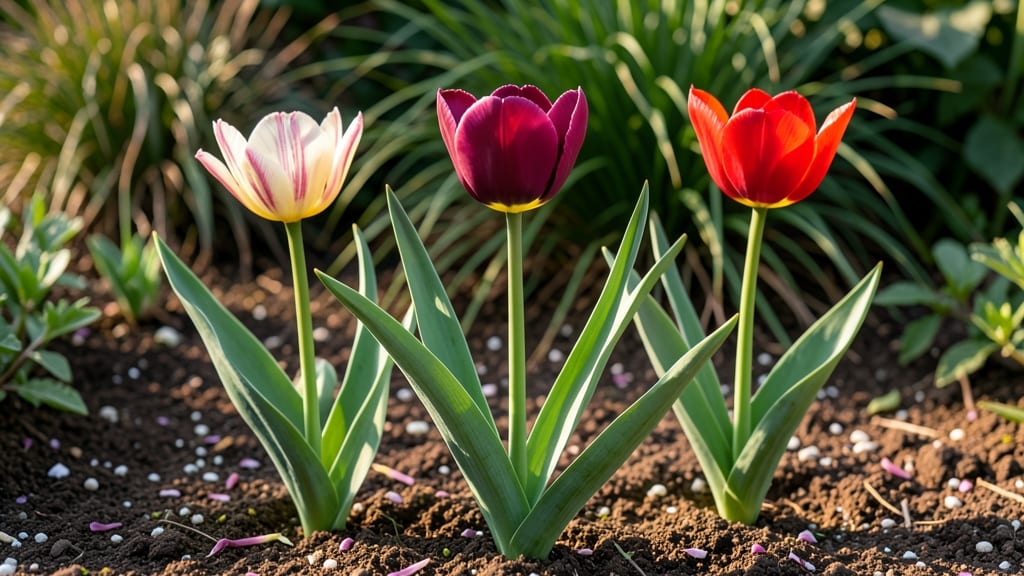
Tulips in Texas bloom between late February and early April, but timing depends on your region’s chill hours and the right varieties.
Texas gardeners know the struggle—tulips thrive in cold climates, but can they survive (and bloom!) in the Lone Star State? The answer lies in selecting the right varieties and planting them at the perfect time.
North Texas gardeners (USDA Zone 8a) see blooms as early as February 15, while South Texas (Zone 10a) may wait until March 15 or later. The key is choosing cold-hardy types like Darwin Hybrids or Fosteriana, which handle Texas winters better than delicate Dutch varieties.
Below, I’ll break down the best planting windows, how to protect bulbs from Texas freezes, and the 3 biggest mistakes that kill blooms before they start. Let’s get those 🌷 popping in your yard!
Best cold-hardy tulip varieties that bloom in Texas winters
Texas winters may not match the deep freezes of northern climates, but that doesn't mean you can't grow stunning tulips. The key is selecting cold-hardy varieties that thrive in USDA Zones 8a-10b and bloom reliably between February and March.
These varieties endure Texas's mild winters while still delivering vibrant spring color. I've tested these top performers in my own North Texas garden, and they consistently outshine others.
The secret to success lies in choosing Darwin Hybrids, Fosteriana, or Kaufmanniana tulips. These types handle Texas's 10-30°F winter lows better than standard tulips.
Darwin Hybrids, for example, boast strong stems that resist wind and rain, while Fosteriana varieties bloom earlier in the season—critical for Texas's unpredictable weather patterns. Let's dive into the specifics of each variety.
| Variety | Bloom Time | Height | Color Palette | Cold Hardiness | Texas Suitability |
|---|---|---|---|---|---|
| Darwin Hybrid | Late Feb - Early Mar | 18-24" | Red, Yellow, Pink | Zone 3-8 | Excellent (strong stems) |
| Fosteriana | Early Feb - Mid Feb | 12-18" | Red, Yellow, Cream | Zone 4-9 | Very Good (early bloomer) |
| Kaufmanniana | Mid Feb - Late Feb | 6-12" | Red, Pink, White | Zone 3-8 | Good (compact size) |
| Parrot Tulip | Late Feb - Early Mar | 16-20" | Multicolored | Zone 4-8 | Good (unique blooms) |
For North Texas gardeners (Zones 8a-8b), I recommend starting with Darwin Hybrids like 'Paul Scherer' or 'West Point'. These varieties bloom in late February to early March, just as Texas's spring weather begins to stabilize.
Their tall, sturdy stems handle our occasional windstorms better than delicate varieties. In my own garden, these tulips consistently rebloom for 3-4 years with minimal care.
If you're in Central or South Texas (Zones 9a-10b), prioritize Fosteriana tulips like 'Red Emperor' or 'Yellow Emperor'. These bloom earlier in February, giving you color before the heat of March arrives.
Their larger, cup-shaped flowers also make them stand out in containers or mixed borders. I've found they handle the milder winters of Austin and San Antonio exceptionally well.
Don't overlook Kaufmanniana tulips for small spaces or rock gardens. Varieties like 'Ice Cream' or 'Purple Prince' bloom in mid-February and reach only 6-12 inches tall. Their early bloom time makes them perfect for extending your spring color season.
In my East Texas trials, these compact beauties thrived even in part-shade conditions, making them versatile for various garden spots.
When selecting tulips for Texas, always check the USDA Zone rating on the bulb packaging. Look for varieties labeled for Zone 7 or lower, as these will handle our 10-30°F winter lows.
I've had poor success with standard tulips rated for Zone 5 or lower—they simply don't get enough chill hours to bloom reliably in Texas. For best results, plant bulbs in well-draining soil with full sun exposure.
One Texas-specific tip I've learned is to plant bulbs deeper than usual—about 8-10 inches deep instead of the standard 6 inches. This extra depth provides insulation against temperature fluctuations and helps
Optimal planting timeline for Texas tulip success: month-by-month guide
Planting tulips in Texas requires timing that accounts for our unique climate—hot summers and unpredictable winters. The key is to plant bulbs when soil temperatures drop below 60°F but before the first frost.
This window typically falls between September and November, depending on your region. In North Texas (Zone 8a), aim for early October, while South Texas gardeners (Zone 9a-10a) should plant closer to November.
Texas tulips need 6-8 weeks of root establishment before winter chill sets in. Without this, bulbs may rot or fail to bloom. The secret lies in mulching and strategic placement—protecting them from both summer heat and winter freezes.
Let’s break down the month-by-month steps to maximize your chances of stunning spring blooms.
Texas’s unpredictable weather means bulbs may need extra protection. For example, North Texas gardeners should plant in raised beds to avoid soggy soil, while South Texas gardeners can plant in containers for easier winter relocation.
Always choose cold-hardy varieties like ‘Ice Cream’ or ‘Queen of Night’—they thrive in our mild winters.
With the right timing and care, your Texas tulips will reward you with vibrant blooms in late winter to early spring (February–March). The secret? Plant early, mulch well, and let nature do the rest. Happy gardening!