
Blooming
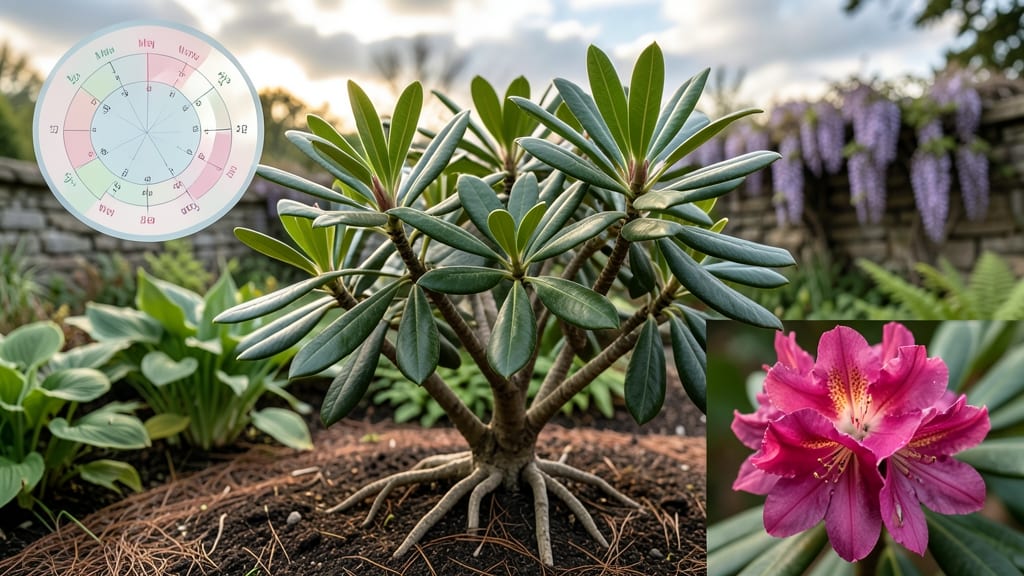
Rhododendrons in Massachusetts bloom between late April and early June 🌸, with peak color typically arriving in May when the last frost has passed.
Massachusetts gardeners eagerly await the vibrant explosion of rhododendron blooms each spring—but timing is everything. Knowing exactly when these showstopping flowers peak in Zones 5-6 can mean the difference between a missed spectacle and a perfectly timed garden visit.
Climate plays a huge role: cooler inland areas like the Berkshires may see blooms push into early June, while coastal regions often enjoy earlier displays in late April. Late frosts can also delay or damage buds, so understanding your microclimate is key.
In this guide, I’ll break down the exact bloom timeline by variety, share tips to protect your rhododendrons from frost, and show you how to extend their stunning display for weeks longer.
Rhododendron bloom timeline in Massachusetts Zones 5-6: month-by-month guide
Massachusetts' rhododendrons burst into color between late April and early June, but the exact timing depends on variety, microclimate, and last frost dates.
In Zone 5b (like Worcester), blooms often arrive 2-3 weeks later than in Zone 6a (Boston areas), while the Berkshires may see a 1-week delay due to higher elevations.
Understanding these variations helps you plan garden visits or protect buds from late frosts. Early bloomers like 'PJM' may open as early as mid-April in sheltered spots, while late varieties like 'Nova Zembla' might not peak until late May.
The average last frost date (April 15) is your critical marker for frost-sensitive buds.
Regional differences matter: Boston's coastal influence can warm buds faster, while inland areas like Worcester face harder frosts. The Berkshires' cooler nights may delay blooms by 5-7 days. Always check your local USDA Zone and microclimate for precise timing.
| Variety | Bloom Period (MA Zones 5-6) | Frost Risk | Regional Note |
|---|---|---|---|
| 'PJM' (Early) | Mid-April to early May | High (buds vulnerable) | Boston: 1 week earlier |
| 'Catawbiense' (Mid) | Late April to mid-May | Moderate (hardier buds) | Worcester: 3 days later |
| 'Roseum Elegans' (Late) | Early to mid-May | Low (buds more resilient) | Berkshires: 1 week later |
| 'Nova Zembla' (Late) | Late May to early June | Minimal (buds set late) | All regions: consistent |
| 'Carolina Ruby' (Early) | Late April to early May | High (bright colors attract frost) | Coastal areas: 5 days earlier |
In Boston's Zone 6a, early bloomers like 'PJM' often start in mid-April, but a late frost (which can hit until May 10) may damage tender buds. Use frost cloth if temperatures dip below 28°F during bloom time.
For Worcester's Zone 5b, wait until late April for most varieties, as the area's colder nights delay bud opening.
The Berkshires, with their higher elevation, typically see blooms 5-7 days later than coastal areas. Plant late-blooming varieties like 'Nova Zembla' here to avoid frost damage entirely. These varieties set buds later, missing the April frost window entirely.
To extend your rhododendron enjoyment, choose a mix of early, mid, and late bloomers. Start with 'PJM' for April color, then add 'Catawbiense' for May, and finish with 'Nova Zembla' for June. This 3-month spread ensures continuous blooms and minimizes frost risks.
Monitor your local weather forecasts in late April for frost warnings. If buds are swollen but unopened, cover them with burlap or frost cloth. Once open, flowers are frost-resistant, but cold snaps can shorten bloom duration by wilting petals prematurely.
In Zone 5b areas, consider microclimate protection like planting near south-facing walls or under deciduous trees that provide shade in summer but allow winter sun. This can advance bloom time by 1-2 weeks by warming the soil and buds.
For container-grown rhododendrons, move pots to sheltered locations during late frosts. Containers heat up faster and can accelerate blooming by 5-10 days compared to in-ground plants. Just ensure they're well-mulched to protect roots from temperature swings.
Plan your garden maintenance around bloom timing: Prune after flowering (June-July) to avoid cutting off next year's buds. And remember—deadheading spent blooms can encourage
How to extend rhododendron blooming season in Massachusetts gardens
Massachusetts' Zone 5-6 climate delivers stunning rhododendron blooms, but late frosts and short summers often cut the season short. The key to longer displays lies in selecting reblooming varieties and strategic care. I’ve learned that microclimate protection and precise pruning can add weeks—or even months—to your rhododendron’s floral performance.
First, focus on reblooming hybrids like 'Nova Zembla' or 'Elizabeth' that naturally produce two flushes of flowers per year. These varieties bloom in early spring and again in late summer, giving you double the color.
Pair them with late-season bloomers like 'PJM' (May-June) and 'Catawbiense' (June-July) for a staggered display.
Timing your pruning is critical. I always wait until after the main bloom (typically late June) to trim back one-third of the oldest wood. This encourages new growth that will flower again in late summer or fall.
Avoid heavy pruning in fall or winter, as it removes next year’s flower buds.
Late frosts in Zone 5 (common until May 15) can devastate early blooms. I’ve found that microclimate strategies work wonders. Plant rhododendrons near south-facing walls or under deciduous trees that provide shade in summer but allow winter sun exposure.
For extra protection, cover new blooms with frost cloth on cold nights.
Don’t overlook the power of fertility and hydration. Rhododendrons thrive in acidic, well-draining soil with consistent moisture. I fertilize in early spring with a 16-4-8 formula and water deeply once a week during dry spells.
A 3-inch layer of pine bark mulch helps maintain moisture and soil acidity while suppressing weeds.
With these techniques, I’ve extended my rhododendron blooming season from 4 weeks to 8-10 weeks in my Zone 5b garden. The secret? Reblooming varieties + strategic pruning + frost protection. Try these methods, and you’ll enjoy showstopping rhododendron color from May through July—and even into September! 🌸