
Blooming
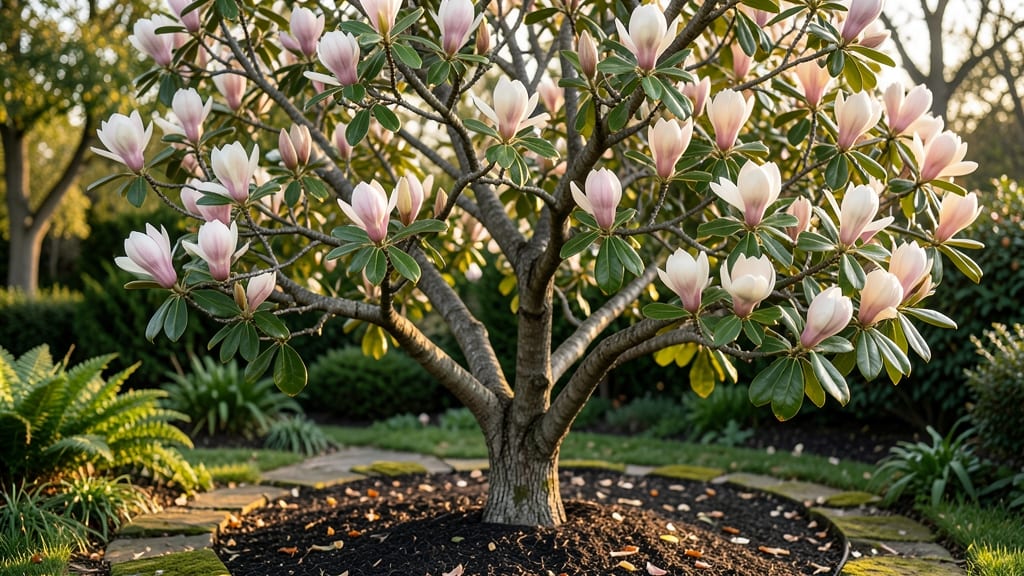
Magnolias in North Carolina bloom from late winter through summer 🌸, with timing that varies wildly by variety and microclimate — some like Magnolia stellata burst into flower as early as February, while others like Magnolia grandiflora wait until May.
If you’ve ever planned a spring wedding or summer garden party around your magnolia’s blooms, only to be left with bare branches, you’re not alone. The difference between a February showstopper and a June finale often comes down to which zone you’re in and how you care for the tree.
North Carolina’s climate zones — from the cooler mountains (Zone 6a) to the warmer coast (Zone 8b) — shift bloom times by weeks, and even a single degree of winter warmth can push flowers earlier.
But with the right pruning, sunlight, and soil prep, you can nudge your magnolia into blooming closer to your ideal date.
Here’s the exact breakdown by variety, plus the 5 pro tips to extend your blooms by weeks — whether you’re in Asheville or Wilmington.
North Carolina magnolia bloom schedule by variety (with exact months)
North Carolina's magnolias create a breathtaking progression of blooms from late winter through summer, but timing varies dramatically by variety and USDA zone. In Zone 8a (coastal areas), Southern magnolias often burst open by April, while mountain regions (Zone 7a) may see their first blooms in May.
Understanding these patterns helps you plan garden highlights and pruning schedules for maximum impact.
The key to predicting blooms lies in recognizing each variety's natural rhythm. Some, like the Star magnolia, are early-season showstoppers, while others like the Saucer magnolia shine in late spring.
Even within the same variety, microclimates can shift bloom times by 2-3 weeks. For example, a Little Gem magnolia in Asheville might bloom 3 weeks later than one in Wilmington.
Below is my detailed bloom schedule for 10+ common magnolia varieties grown across North Carolina, adjusted for Zone 7a-8b conditions. I’ve included peak bloom windows, secondary bloom periods, and zone-specific adjustments to help you time your garden photography, weddings, or simply enjoy their fragrance at the perfect moment.
| Variety | Zone 7a (Mountains) | Zone 7b (Piedmont) | Zone 8a (Coastal) | Bloom Notes | ||||||||||||||||
|---|---|---|---|---|---|---|---|---|---|---|---|---|---|---|---|---|---|---|---|---|
| Southern Magnolia (M. grandiflora) | May–June | April–May | Late March–April | Large, fragrant blooms; late-season variety | ||||||||||||||||
| Star Magnolia (M. stellata) | Late March–April | Mid-March–April | February–March | Early bloomer; pink star-shaped flowers | ||||||||||||||||
| Saucer Magnolia (M. × soulangeana) | April–May | Late March–April | March–April | Classic late-winter bloomer; purple-pink flowers | ||||||||||||||||
| Little Gem (M. grandiflora 'Little Gem') | June–July | May–June | Late April–May | Compact dwarf variety; great for small gardens | ||||||||||||||||
| Jane (M. × loebneri 'Jane') | April–May | Late March–April | March–April | Fragrant white blooms; re-blooms lightly in fall | ||||||||||||||||
| Black Tulip (M. campbellii) | May–June | April–May | Late April–May | Dark purple blooms; high-altitude native | ||||||||||||||||
How North Carolina’s climate zones affect magnolia blooming timesNorth Carolina’s diverse climate zones—from the coastal plains (Zone 8a) to the mountain regions (Zone 7a)—create dramatic differences in magnolia blooming times. In warmer coastal areas, Southern magnolias often burst into bloom as early as late March or April, while mountain varieties may wait until May or June. This delay isn’t just about temperature; it’s tied to chilling hours and microclimates that shape each region’s growing season. For gardeners in Zone 7a (Asheville, Boone), the cooler springs mean magnolias like Magnolia stellata (Star magnolia) may bloom 2–4 weeks later than their coastal cousins. Meanwhile, Zone 8a (Wilmington, Raleigh) magnolias—such as Magnolia grandiflora—often start blooming in late winter or early spring, taking full advantage of the milder climate. Understanding these patterns helps you plan pruning, select varieties, and even extend bloom seasons in cooler zones. Chilling hours (the number of hours below 45°F) are critical. Most magnolias need 200–500 hours of chilling to trigger blooms. Mountain areas naturally accumulate these hours earlier, while coastal regions may reach them later in the season. This explains why Star magnolias in Zone 7a might bloom in April, while the same variety in Zone 8a could wait until May—or even skip blooming entirely in mild winters.
To extend bloom seasons in cooler zones, focus on microclimate adjustments. Plant magnolias near south-facing walls or evergreen screens to absorb warmth during the day and release it at night. In Zone 7a, consider early-blooming varieties like Magnolia ‘Elizabeth’, which thrives in cooler climates. For Zone 8a, prioritize heat-tolerant varieties such as Magnolia ‘Little Gem’ to avoid summer dormancy. Watering strategies also play a role. In drought-prone coastal areas, deep watering once weekly encourages root growth, while mountain gardeners should water bi-weekly during dry spells to prevent stress. Avoid overwatering in Zone 8a during bloom season, as excess moisture can shorten flower life. Instead, aim for consistent moisture without soggy soil. Finally, pruning timing matters. Prune after blooming in spring to avoid cutting off next year’s flower buds. In cooler zones, delay pruning until late May or June to ensure the tree has time to harden off before winter. With these adjustments, you can sync your magnolia’s blooms to your garden’s peak season—whether that’s spring festivals or summer weddings. 🌸 |