
Blooming
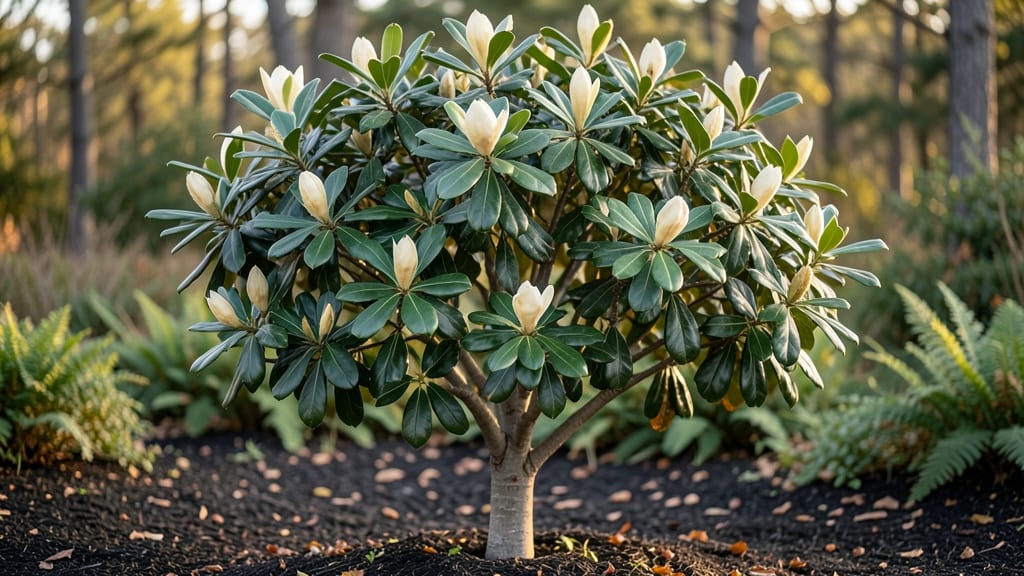
The sweetbay magnolia bloom time transforms your garden into a fragrant haven in late spring to early summer 🌸, as creamy-white flowers grace the landscape for weeks.
But here’s the catch: timing varies wildly depending on where you live—from early May in the Deep South to June in cooler zones. If you’ve ever missed the show because you assumed it bloomed "in spring," you know how easy it is to overlook this delicate window.
Climate, sunlight, and even the plant’s age play a role in when those iconic blooms appear. In USDA Zone 6, for example, you’ll likely see flowers in late May, while southern gardens can enjoy them as early as April.
The key to maximizing your sweetbay’s performance is understanding these triggers and adjusting your care routine accordingly.
Below, I’ll break down exactly when to expect blooms in your region, how long they last, and the simple care tweaks that can make your sweetbay magnolia put on an even more stunning show year after year.
Sweetbay magnolia bloom time: months, climate zones, and what triggers flowering
The sweetbay magnolia (Magnolia virginiana) is famous for its delicate, fragrant blooms, but its timing varies dramatically depending on your USDA hardiness zone and local climate.
Unlike its showy cousins, this native southern beauty often blooms in late winter or early spring, but regional variations can shift that window by weeks—or even months. Understanding these patterns helps you plan for the best display and avoid disappointment when your tree seems "late" to bloom.
In warmer zones (8-9), sweetbay magnolias frequently bloom as early as February or March, taking advantage of mild winters. Meanwhile, in cooler zones (5-7), blooms typically wait until April or May when temperatures stabilize.
Even within the same zone, elevation and microclimates can push blooms earlier or later. For example, a tree in Zone 7a might bloom in late March near the coast but wait until May in the Appalachian Mountains.
Here’s how temperature and dormancy control bloom timing. Sweetbay magnolias need a period of winter chilling (40-50°F for 6-8 weeks) to break dormancy and trigger flower buds. Too little chilling (like in Zone 8b+) can delay blooms until spring warmth arrives.
Conversely, harsh winters in Zone 5-6 might damage buds, causing a lighter bloom the following year. Sunlight exposure also plays a role—trees in partial shade often bloom slightly later than those in morning sun.
🌱
| USDA Zone | Typical Bloom Months | Key Triggers | Regional Notes |
|---|---|---|---|
| Zone 5-6 | April–May | 6-8 weeks <32°F chilling | Late blooms; risk of frost damage |
| Zone 7 | March–April | 4-6 weeks <40°F chilling | Coastal areas bloom earlier |
| Zone 8 | February–March | Mild winters; minimal chilling | Early blooms; longer fragrance |
| Zone 9 | January–February | No true dormancy; triggered by warmth | Blooms may repeat in fall |
If your sweetbay magnolia blooms later than expected, check for these common culprits: over-fertilizing with nitrogen (which encourages leafy growth over flowers), poor drainage (stressing the roots), or recent transplant shock. Young trees (under 5 years old) may also delay blooming while they establish roots.
To encourage earlier blooms, prune lightly in late winter to remove dead wood and improve air circulation—just avoid heavy pruning, which can reduce next year’s flowers.
In southern climates (Zones 8-9), sweetbay magnolias sometimes produce a second, smaller flush of blooms in fall, typically in September or October. This happens when warm temperatures persist after summer.
While these blooms are less abundant, they extend your tree’s fragrance season. To maximize fall blooms, avoid late-summer pruning, which can stress the tree and reduce flower production.
🌿
For gardeners in transition zones (7a-7b), where winters are unpredictable, blooms can be especially erratic. A mild winter might trigger early buds, only for a late frost to nip them.
To protect your tree, choose a sheltered location away from cold air pockets, and mulch heavily in late fall to insulate roots. If frost threatens, cover young blooms with frost cloth—though this is rarely needed for established trees.
One often-overlooked factor is the age and health of your tree. Mature sweetbay magnolias (over 10 years old) typically bloom more reliably than younger specimens.
If your tree is 5+ years old but not blooming, it may need a soil test to check for nutrient deficiencies, particularly phosphorus or potassium, which support flowering.
Amend the soil with compost or bone meal if levels are low, but avoid high-nitrogen fertilizers, which promote foliage over flowers.
🪴
Finally, regional microclimates can shift bloom times by weeks. For example, a sweetbay magnolia in southeastern Georgia (Zone 8a) might bloom in late January, while one in central Florida (Zone 9b) could flower as early as December.
Urban areas with heat islands often see earlier blooms compared to rural zones. To predict your tree’s timing, observe nearby specimens or consult your local cooperative extension service for hyper-local data.
How long sweetbay magnolia blooms last: duration, fragrance intensity, and seasonal patterns
Once your sweetbay magnolia (Magnolia virginiana) begins its stunning display, you’ll want to savor every moment—because the bloom duration is one of its most magical features. Typically, each flower cluster remains vibrant for 2 to 4 weeks, though environmental factors can shift this timeline.
The fragrance intensity peaks during the first 7 to 10 days, filling your garden with a sweet, citrusy aroma that’s irresistible to pollinators.
Understanding these patterns helps you plan your garden’s seasonal highlights. For example, in USDA Zone 7, blooms often start in late April and linger into mid-May, while Zone 9 gardens may see a more extended show from March to June.
The key is recognizing that cooler springs delay blooming, while warmer winters can trigger earlier—and sometimes more abundant—flowering.
Key Factors Affecting Bloom Duration
- 1. Flower Cluster Age: Newer clusters bloom 2-3 weeks longer than older growth.
- 2. Fragrance Peak: Strongest scent in first 10 days—ideal for pollinators.
- 3. Seasonal Variability: Southern gardens may see 6+ weeks of staggered blooms.
- 4. Pruning Impact: Light pruning after blooming encourages next year’s flowers.
- 5. Stress Factors: Drought or heatwaves shorten blooms by 30-50%.
If you’ve ever wondered why your sweetbay magnolia seems to have a shorter bloom time in certain years, the answer often lies in environmental stress.
For instance, prolonged drought or extreme heat can cause buds to drop prematurely, while over-fertilizing with nitrogen may produce lush foliage at the expense of flowers. The good news?
With the right care, you can extend the display by ensuring your tree receives consistent moisture and partial shade during peak summer months.
To maximize your sweetbay magnolia’s fragrance and bloom duration, time your pruning carefully. Always prune after the blooms fade—typically in late May or June
Remove only dead or crossing branches, and use sterilized pruners to prevent disease. This approach not only preserves the tree’s health but also encourages a longer, more abundant bloom cycle in subsequent years. Another pro tip: Mulch around the base of your magnolia with organic matter like pine bark or shredded leaves. This helps retain soil moisture and regulates root temperature, both of which support healthier blooms. Just be sure to keep mulch 3-4 inches away from the trunk to prevent rot. With these simple adjustments, you can turn a 2-week bloom into a 4-week spectacle that keeps your garden smelling like a spring paradise. Don’t forget that sweetbay magnolias often produce secondary blooms later in the season, especially in warmer climates. While these may not be as fragrant or abundant as the primary display, they add a delightful late-summer surprise. To encourage this, maintain consistent watering and avoid heavy pruning in the fall or winter, as this can disrupt the tree’s natural blooming rhythm. By tuning into your sweetbay magnolia’s natural patterns and responding with thoughtful care, you’ll unlock its full potential—turning your garden into a fragrant oasis that blooms with confidence year after year. 🌸