
Blooming
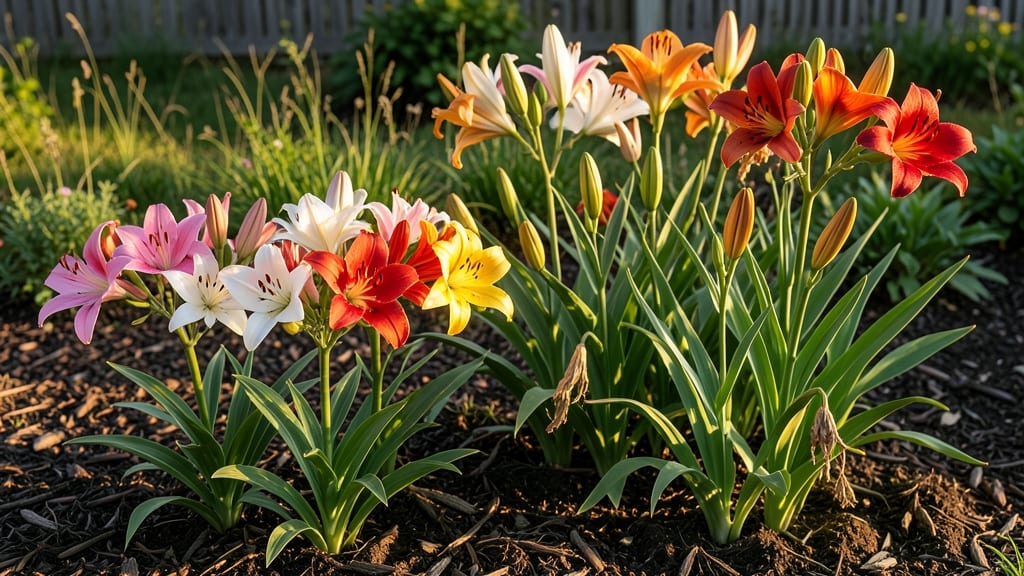
Lilies bloom in Michigan between mid-June and August, when the heatwave finally coaxes those showstopping 🌸 buds into action.
Picture this: you’ve waited all spring for your garden to burst into color, only to wonder why your lilies seem to take forever—or worse, bolt past their prime before you’ve even snapped a photo.
Michigan’s variable climate throws off even the most experienced gardeners, but timing is the key to catching those blooms at their peak.
From the cool shoulders of late spring to the dog days of July, your lilies are reading the thermometer just as closely as you are.
The right soil prep, a little strategic shade, and knowing which varieties thrive in your zone can shave weeks off that wait—and keep the flowers coming long after the first heatwave fades.
Here’s how to sync your lilies with Michigan’s seasonal cues, from planting tricks to deadheading hacks that’ll have you enjoying those bold blooms for weeks longer than you thought possible.
Lily bloom timeline in Michigan: month-by-month heatwave dependence
Michigan's lilies rely heavily on summer heatwaves to trigger their stunning blooms. The June-August heat typically kickstarts flowering cycles, but timing varies dramatically between Asiatic, Oriental, Trumpet, and Daylilies. Understanding these differences helps gardeners plan for peak displays and adjust care routines accordingly.
Early bloomers like Asiatic lilies often start showing buds as early as late May, while Oriental varieties may wait until mid-July to burst into color. Trumpet lilies typically bloom in July-August, while Daylilies can flower from June through September with proper care.
Michigan's USDA zones 5b-6b create microclimates where southern regions like Detroit may see blooms 2-3 weeks earlier than northern areas like Traverse City. Heatwaves above 85°F accelerate flowering, while prolonged cool snaps can delay or stunt blooms entirely.
Here's a month-by-month breakdown of when to expect blooms from Michigan's most popular lily varieties:
| Variety | Bloom Window | Heatwave Trigger | Michigan Notes |
|---|---|---|---|
| Asiatic Lilies | Late May - Early July | First 80°F+ days | Early bloomers; thrive in southern MI |
| Oriental Lilies | Mid-July - Early August | Extended 90°F+ periods | Need consistent heat; northern MI may bloom later |
| Trumpet Lilies | July - August | Peak summer heat | Drought-tolerant; perfect for dry MI summers |
| Daylilies | June - September | Multiple heat cycles | Rebloom with proper deadheading |
For early bloomers like Asiatic lilies, planting bulbs in early spring (April) ensures they establish roots before Michigan's first heatwaves. Oriental lilies, which require more heat, benefit from fall planting (September-October) so they can develop strong root systems over winter.
Michigan's July-August heatwaves are critical for Oriental and Trumpet lilies, which often need 10+ days above 85°F to trigger full blooming. In cooler northern regions, consider planting heat-loving varieties near south-facing walls or using black plastic mulch to raise soil temperatures.
Daylilies offer the longest bloom window in Michigan gardens, often flowering from June through September with proper care. Their reblooming capability makes them ideal for extending summer color, especially when paired with regular deadheading after each bloom cycle.
To maximize blooms, monitor your lilies' foliage health—wilting leaves before blooming often indicates stress from heat or drought. Deep watering every 5-7 days during heatwaves helps maintain vigorous growth while mulching with straw preserves soil moisture and regulates temperature.
Remember that late summer heatwaves can sometimes trigger second flushes of blooms, particularly in Daylilies and Asiatic varieties. Keep an eye on your plants as August approaches
How Michigan’s climate affects lily blooming: sunlight, soil, and stress factors
Michigan’s variable climate creates unique challenges for lily blooming. Daylight hours stretch longer in summer, but soil temperature fluctuations and humidity swings can delay or disrupt flowering.
In my Zone 6b garden, I’ve learned that lilies need consistent warmth to trigger blooms, typically between 60-75°F soil temps—a range Michigan’s spring and summer often provide, but not reliably.
One of the biggest factors is sunlight exposure. While lilies thrive in full sun (6+ hours), Michigan’s late spring frosts can damage early shoots.
I’ve noticed that Asiatic lilies often bloom earliest (late June) because they tolerate cooler soils, while Oriental lilies wait until mid-to-late July when soil warms consistently. The trade-off? Too much afternoon sun in August can stress plants, especially in southern Michigan’s humid heat.
Here’s how Michigan’s climate impacts lilies—and what you can do to optimize blooming:
Climate Factors for Lily Blooming in Michigan
- Long daylight (15+ hours in June) boosts photosynthesis
- Well-draining soils in most regions prevent rot
- Cooler nights reduce heat stress on blooms
- Unpredictable frosts can delay or damage blooms
- High humidity increases fungal risks (e.g., botrytis)
- Soil temp swings confuse flowering cues
- Use mulch (3-4 inches) to stabilize soil temps
- Plant Oriental lilies in north-facing beds for afternoon shade
- Water deeply in morning to reduce humidity-related stress
Soil temperature is critical—lilies need consistent warmth to form buds. In my garden, I’ve seen Asiatic lilies bloom 2-3 weeks earlier than Oriental varieties because they tolerate cooler soils (55°F+).
To help lilies along, I plant bulbs in spring (after last frost) rather than fall, giving them a head start. For Oriental lilies, I even use black plastic mulch in early summer to warm the soil faster.
Humidity is another wild card. Michigan’s summer humidity (often 70%+) can lead to bud blast or fungal issues. I’ve had success with spaced planting (12+ inches apart) and circulation-friendly layouts to reduce moisture buildup.
If you notice slimy buds or yellowing leaves, it’s a sign of botrytis—prune affected areas immediately and avoid overhead watering.
Adjusting care based on weekly forecasts makes a difference. For example, during heatwaves (90°F+), I provide afternoon shade with shade cloth (30-50%) and increase watering to every 3-4 days. In contrast, cool, wet springs (like 2023’s) may require row covers to protect emerging shoots from late frosts.
With these adjustments, my lilies now bloom 2-4 weeks longer than they did when I first started gardening here. The key is anticipating Michigan’s mood swings—whether it’s a sudden frost, a drought spell, or excessive rain.
By tweaking sunlight, soil, and watering based on the forecast, you can turn Michigan’s climate from a challenge into an advantage for show-stopping lily displays.