
Blooming
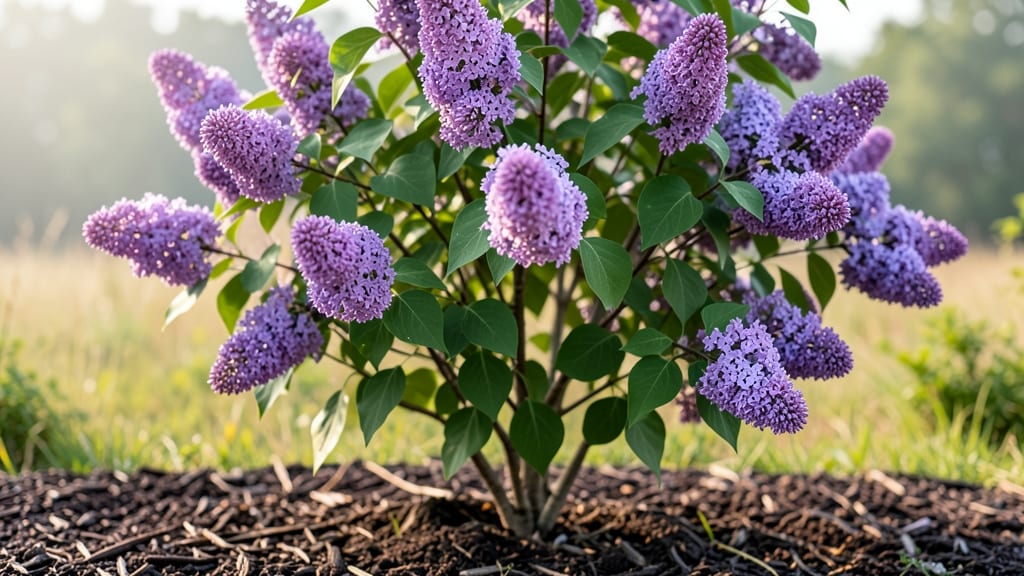
Lilacs in Pennsylvania bloom between late April and early June 🌸, with timing that shifts dramatically from the cooler mountains to the warmer valleys.
If you’ve ever wondered why your Pennsylvania neighbors’ lilacs burst into fragrant blooms while yours remain bare, timing is everything—and it all depends on your hardiness zone, variety, and even last winter’s snowfall.
Understanding these patterns lets you plan your garden’s most fragrant moments with precision, from selecting the right varieties for your microclimate to knowing when to prune for next year’s blooms.
Below, I break down the exact bloom windows by zone, the top varieties that thrive in PA’s climate, and how to adjust your expectations when spring arrives early—or late.
Pennsylvania lilac bloom timeline by hardiness Zone: exact months & climate factors
Understanding your hardiness zone is the first step to predicting when your lilacs will bloom in Pennsylvania. The Keystone State spans USDA zones 4-7, and these zones create a 3-4 week difference in bloom timing from north to south.
For example, lilacs in Zone 4 (Erie) may bloom in late May, while those in Zone 7 (Pittsburgh) often start as early as mid-April.
Climate factors like last frost dates, winter snow cover, and spring temperature spikes can shift bloom windows by 1-2 weeks.
A harsh winter with deep snowpack can delay blooming, while an early warm spell in March might trick lilacs into budding prematurely—only to be nipped by late frost. Tracking these patterns helps you adjust expectations and care routines.
📌 PRO TIP: Use the USDA Plant Hardiness Zone Map to pinpoint your exact zone, then cross-reference with local microclimates. Urban areas like Philadelphia often bloom 1 week earlier than rural zones due to the urban heat island effect.
| USDA Zone | Typical Bloom Window | Climate Influences | Adjustments for Late Bloomers |
|---|---|---|---|
| Zone 4 (Erie, State College) | Late May - Early June | Cold springs, late frost risk (May 10) | Plant Miss Kim (earlier bloomer) |
| Zone 5 (Harrisburg, Scranton) | Mid-May - Late May | Variable frost dates (April 15-May 5) | Prune in early spring to encourage buds |
| Zone 6 (Lancaster, Allentown) | Early May - Mid-May | Moderate winters, reliable blooms | Use mulch for winter protection |
| Zone 7 (Pittsburgh, Johnstown) | Mid-April - Early May | Mild winters, early warmth | Plant dwarf varieties for earlier blooms |
In Zone 4, where winters are colder, lilacs often need 20-30 more chill hours (below 45°F) to trigger blooming. If your lilacs in Erie or State College bloom late or sparsely, they may not be getting enough winter chill.
Consider hardier varieties like 'President Lincoln', which thrive in colder climates and bloom reliably despite shorter growing seasons.
For Zone 7 gardeners in Pittsburgh or Johnstown, the challenge is often overwintering buds. If your lilacs bloom early but frost threatens, protect them with lightweight row covers or choose late-blooming varieties like 'Katherine Havemeyer'.
These varieties typically bloom 2 weeks later than standard lilacs, avoiding the late April frost risk common in the region.
Don’t overlook the role of soil temperature—lilacs won’t bloom until the soil reaches 50°F consistently. In Zone 5 and 6, where soil warms unevenly, you might see patchy blooming if some roots are still cold.
Amending soil with compost in fall improves warmth retention, giving lilacs a head start in spring.
If your lilacs bloomed earlier this year but later last year, it’s likely due to winter conditions. A snowy winter (like 2022-2023) can delay blooming by 1-2 weeks because the consistent cold satisfies chill requirements later.
Conversely, a mild winter with few freeze-thaw cycles might lead to earlier but weaker blooms.
To extend your lilac’s bloom time, prune strategically. Cut back 1/3 of the oldest stems immediately after flowering to redirect energy to new growth.
This encourages secondary blooms in some varieties, like 'Dwarf Korean', which can produce a second flush of flowers in late summer if pruned correctly.
For gardeners in transition zones (5b-6a), where blooms can be unpredictable, keep a bloom journal. Note the first frost date, last frost date, and peak bloom week each year.
Over time, you’ll spot patterns—like how a March heatwave can advance blooms by 10 days or how heavy April rains might delay them.
Finally, pair your lilacs with complementary plants to create a sequential bloom display. In Zone 4, plant clematis or peony to bloom after lilacs fade in June.
In Zone 7, add wisteria or deutzia for earlier color. This ensures your garden stays fragrant and vibrant from April through July.
Top 5 lilac varieties in Pennsylvania & their bloom schedules: early vs. late bloomers
Pennsylvania’s lilac lovers know that timing is everything—some varieties burst into bloom in late April, while others wait until June. The difference often comes down to the variety and how well it adapts to your hardiness zone.
Whether you’re chasing early fragrance or extending summer color, choosing the right lilac can transform your garden’s seasonal rhythm.
From the fragrant giants like 'President Lincoln' to the compact 'Miss Kim', each variety offers unique timing and charm. Understanding their bloom schedules helps you plan companion plants—like peonies or roses—to create a garden that stays vibrant from spring through summer.
Let’s dive into the top 5 lilac varieties thriving in Pennsylvania and when to expect their show-stopping blooms.
'Dwarf Korean' lilacs are the early bloomers of Pennsylvania, often opening their buds as early as late April—perfect for gardeners eager to break winter’s grip.
Their compact size makes them ideal for containers or small gardens, while their intense fragrance fills the air before most neighbors’ lilacs even think about blooming.
'Miss Kim' stands out as the longest-blooming variety, stretching its show from early May to mid-May. This dwarf variety (3-5 ft) is a crowd-pleaser for urban gardens and patios, offering moderate fragrance without overwhelming smaller spaces. Its extended bloom time means more opportunities for cut flowers and garden enjoyment.
If you crave late-season drama, 'Katherine Havemeyer' delivers with its deep purple blooms arriving in late May. This variety is a favorite for cut flower arrangements, thanks to its long stems and rich fragrance.
Pair it with peonies or roses to extend your garden’s color palette into summer.
For classic charm, 'Syringa vulgaris'—the common lilac—remains a Pennsylvania staple, blooming in mid-May. Its tall stature (10-15 ft) makes it perfect for hedges or focal points, while its strong fragrance draws pollinators and neighbors alike. Just be prepared for its aggressive growth if space is limited.