
When Lilacs Bloom in New York: Exact Months by Variety & Zone

Blooming

When Lilacs Bloom in New York: Exact Months by Variety & Zone

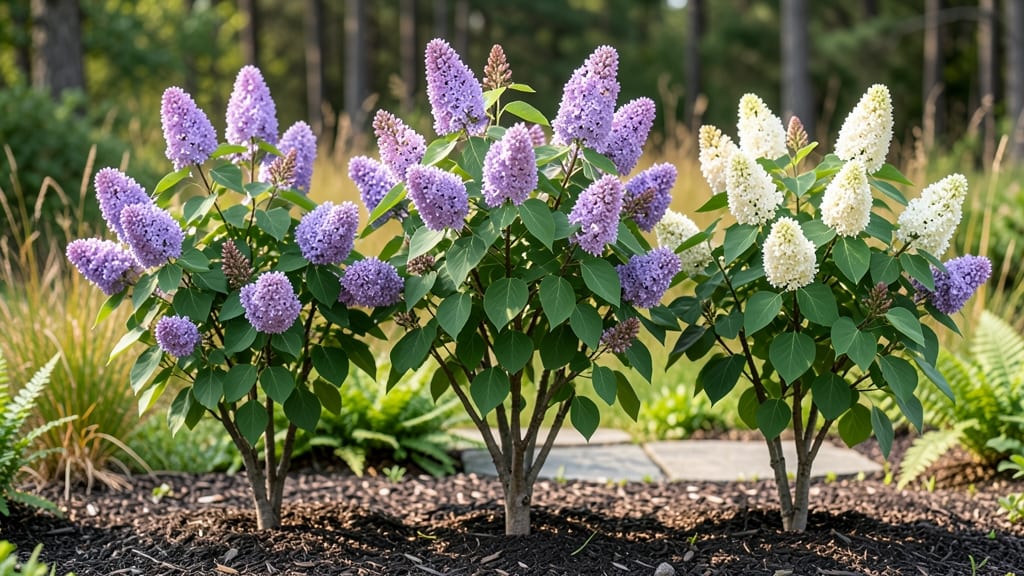
Lilacs bloom in New York between late April and early May, when the air fills with their iconic fragrance and streets turn purple with clusters of 🌸.

If you’ve ever caught that intoxicating scent drifting through New York’s spring air, you know their fleeting beauty is worth waiting for—but timing matters. A late frost can push blooms into June, while early varieties might surprise you in April.

Your USDA zone (5b-7a) plays a role, with Long Island lilacs often blooming a week earlier than those in the Hudson Valley. Even within the same neighborhood, microclimates near bodies of water can shift bloom windows by days.

Here’s how to predict your lilacs’ peak season, adjust for your exact location, and make the most of their two-week show—plus tips to extend their blooms when spring stays stubbornly cool.

Lilac bloom times in New York by variety (with exact months)

New York’s lilac blooming season is a highlight of spring, but timing varies dramatically by variety. From early bloomers in Zone 6a to late-season favorites in Zone 7a, knowing your lilac’s type helps you predict those fragrant purple clouds with precision.

Let’s break down when to expect blooms for the most popular varieties across NYC’s diverse microclimates.

Most lilacs bloom between late April and mid-May, but some varieties push these windows earlier or later. For example, 'Mme. Lemoine', a classic French hybrid, often blooms in early May in NYC’s Zone 6b, while 'Dwarf Korean' might start as early as mid-April in Zone 7a.

Understanding these differences helps you choose varieties that align with your garden plans.

The summary table below provides exact bloom windows for 10 popular lilac varieties, including early, mid, and late-season bloomers. These timelines reflect average conditions in NYC’s USDA Zones 6a-7a, but local microclimates can shift bloom times by up to 2 weeks.

To extend your lilac’s bloom time, consider planting locations strategically. If you’re in zone 6a and want earlier flowers, choose a south-facing slope or group lilacs near a stone wall to absorb and radiate heat.

In zone 7a, where blooms arrive early, opt for late-blooming varieties like 'Bloomerang' to enjoy fragrance well into June.

Another trick? Mulch heavily in fall with wood chips or straw to insulate roots from late frosts, which can delay blooms. In urban microclimates, where heat reflects off buildings, mulch also helps retain moisture during dry spells.

Even a 5-inch mulch layer can shift bloom timing by 5–7 days in the right conditions.

For gardeners in transitional zones (like zone 6b), blending early and late bloomers ensures continuous fragrance. Pair 'Miss Canada' (early) with 'Purple Plume' (late) to stretch your lilac season from April through June. This approach works beautifully in parkways or large gardens where variety creates a layered effect.

Remember, lilacs thrive on sunlight and well-draining soil, but their bloom timing hinges on climate zone and microclimate. By aligning your planting choices with local conditions, you’ll turn your garden into a fragrant spring sanctuary—no matter where in New York you live. 🌸

★★★★★4.7(1 review)
Categories Blooming
Variety Bloom Window (NYC) Height (ft) Notes
'Katherine Havemeyer' Late April - Early May 6-8 Early bloomer, fragrant lavender-pink flowers
'Miss Canada' Mid-April - Late April 4-6 Dwarf variety, white flowers, blooms earliest
'Dwarf Korean' Mid-April - Early May 4-5 Compact, purple blooms, great for small gardens
'Mme. Lemoine' Early May - Mid-May 8-10 French hybrid, deep purple, highly fragrant
'Purple Plume' Late May - Early June 10-12 Late bloomer, dark purple, long-lasting flowers
'President Lincoln' Mid-May - Late May 8-10 Deep purple, strong fragrance, reliable bloomer
'Arctic Snow' Early May - Mid-May 6-8 White blooms, late frost-tolerant
'Bloomerang' Late April - Early May + Late Summer 6-8 Reblooms in late summer, purple-pink flowers
'Neglect' Mid-May - Late May 4-6 Drought-tolerant, lavender-pink blooms
'Sensation'

How New York’s climate zones affect lilac blooming seasons

New York’s diverse climate zones—USDA zones 6a, 6b, and 7a—create dramatic shifts in when lilacs burst into bloom, sometimes by weeks or even months.

In zone 6a (cooler regions like the Catskills), lilacs often wait until late May or early June, while zone 7a (Long Island, Hudson Valley) may see blooms as early as mid-April. These differences matter if you’re planning a spring garden party or simply want to enjoy the scent.

Microclimates within New York add another layer of complexity. A sheltered Hudson Valley garden might bloom 2 weeks earlier than an exposed spot in Bronx Park, thanks to urban heat islands and wind patterns.

Even a south-facing wall can push blooms forward by 7–10 days compared to a north-facing yard. Understanding these nuances helps you choose the right lilac variety and planting spot.

Comparison of lilac bloom timing across New York’s climate zones:

Zone & Region Average Bloom Window Microclimate Adjustments Best Varieties for Zone
Zone 6a (Catskills, Adirondacks) Late May – Early June Plant near south-facing walls or protected valleys for earlier blooms. 'Katherine Havemeyer,' 'Purple Plume'
Zone 6b (Northern NYC, Westchester) Early May – Mid-May Urban areas bloom 3–5 days later than rural spots. 'Miss Canada,' 'Dwarf Korean'
Zone 7a (Long Island, Hudson Valley) Mid-April – Early May Coastal areas (e.g., Montauk) bloom 10 days earlier than inland. 'Bloomerang,' 'Arctic Snow'