
Blooming
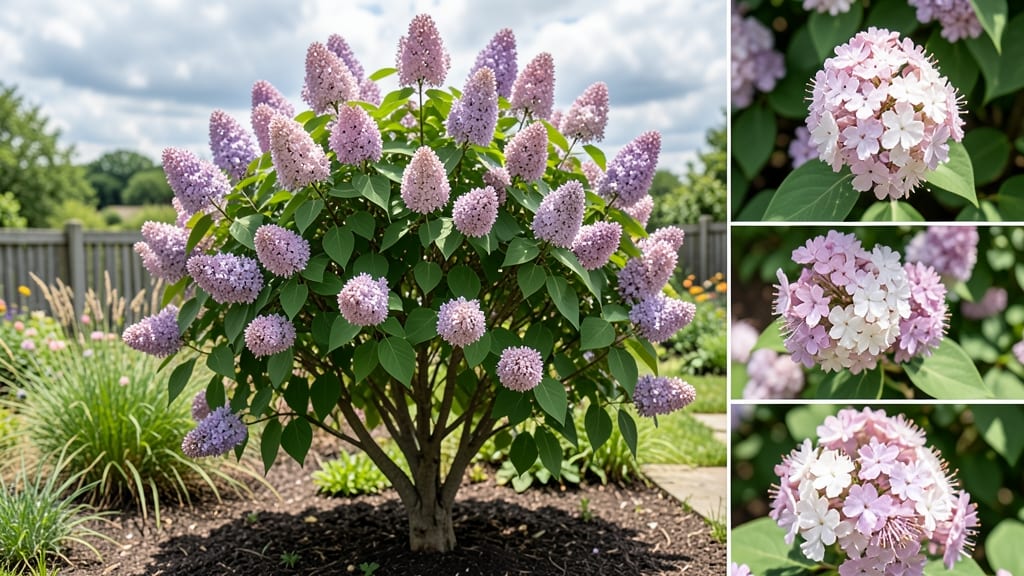
Lilacs bloom in Ohio between late April and early May, when the air fills with their signature sweet fragrance 🌸 — but the exact timing depends on your zone and microclimate.
Ohio’s lilacs burst into bloom with a fragrant spectacle that gardeners eagerly await—but timing varies dramatically across the state’s microclimates. That means a lilac in 6a might open weeks before one in 5b, and a late frost can delay things even further.
Knowing when to expect those first blossoms helps you time pruning, plan companion plantings, and even adjust watering to protect delicate buds. Below, I’ll break down the bloom windows by zone, plus the weather clues that shift your lilacs’ schedule.
You’ll also discover how to choose varieties that bloom early or late, extend the season with remontant types, and prepare your garden for the best possible fragrance wave—without waiting until the last minute.
Ohio lilac bloom timeline by USDA hardiness zones 5-7
Ohio’s lilacs transform gardens into fragrant havens each spring, but their bloom timing shifts dramatically across the state’s USDA zones 5-7. In colder Zone 5a, buds often wait until late May, while Zone 7a gardeners may catch early blooms as soon as mid-April.
Understanding these variations helps you plan pruning, extend fragrance, and protect blossoms from late frosts.
The ‘Katherine Havemeyer’ variety typically blooms earliest, followed by ‘Dwarf Korean’ and ‘Purple Plume’. Peak bloom windows can differ by 2-3 weeks between northern and southern Ohio.
For example, Columbus (Zone 6a) usually sees lilacs at their most fragrant in late April, while Toledo (Zone 5b) may experience peak bloom in early May.
Here’s a detailed comparison of bloom timing across Ohio’s zones, including early, peak, and late blooming periods for popular varieties:
In Zone 5a, where winters are harshest, lilacs often delay blooming until soil temperatures reach 50°F. This can push first buds into late April, giving gardeners in Youngstown or Akron a shorter window to enjoy fragrance.
Meanwhile, Zone 7a gardeners in southern Ohio may start seeing ‘Bloomerang Beauty’ lilacs as early as mid-March, thanks to milder winters.
If you’re planting new lilacs, choose early-blooming varieties like ‘Katherine Havemeyer’ for Zone 5b or ‘Beauty of Magenta’ for Zone 6a to extend your bloom season. These varieties often produce second flushes of flowers in late summer, adding weeks of fragrance.
For Zone 7a, consider remontant lilacs like ‘Bloomerang,’ which can rebloom after pruning.
Pruning plays a crucial role in timing. If you prune lilacs right after blooming, you’ll encourage next year’s flowers to appear 1-2 weeks earlier. However, avoid heavy pruning in Zone 5a until late summer, as cold snaps can damage new growth.
In warmer Zone 7a, you can prune as late as June without risking frost damage.
Watch for late frost warnings in April, especially in Zone 5. A sudden drop below 28°F
How to predict your lilacs’ bloom time based on local weather
Ohio’s lilacs are famously unpredictable—some bloom in early April while others wait until late May. The difference often comes down to local weather patterns rather than just your USDA zone.
By tracking three key climate factors, you can forecast your lilacs’ bloom time with surprising accuracy and adjust your care routine accordingly.
First, the last frost date sets the stage. Lilacs need consistent soil temperatures above 50°F to break dormancy, which typically happens 2-4 weeks after the last frost in most of Ohio.
For example, in Zone 5b (like Columbus), this usually lands in early April, while Zone 7a (southern Ohio) may see blooms as early as mid-March.
Lilacs bloom 3-4 weeks after soil warms to 50°F+. Use local weather apps (like Old Farmer’s Almanac) to set alerts for your area’s average date.
Lilacs need consistent 60°F+ soil temps for 5-7 days. Use a soil thermometer (or dig 3” deep) to confirm readiness—cooler soils delay blooms by 1-2 weeks.
Dry springs (like 2020) push blooms 2 weeks earlier, while wet springs (like 2022) delay them. Aim for 1-1.5” of water weekly during bud formation to prevent stress.
Apply 3” of mulch in early spring to retain soil warmth. Remove mulch in Zone 5 by mid-April to avoid overheating roots, which can stunt blooms.
Never prune after May 15—this removes next year’s flower buds! Prune immediately after blooming to encourage larger blooms the following spring.
If your lilacs bloom earlier than expected, they’re likely signaling a warmer-than-average winter or early spring thaw. In this case, protect them from late frosts by covering with frost cloth on nights below 32°F.
For delayed blooms, focus on deep watering and balanced fertilizer (10-10-10) in early June to stimulate bud formation for next year.
Pro tip: Plant ‘Miss Canada’ lilacs if you want reliable early blooms—they’re one of the first to open in Ohio, often by mid-April in Zone 6. For late-season fragrance, try ‘Bloomerang’ remontant lilacs, which rebloom in July-August with proper care.
By combining these weather-based predictions with proactive care, you’ll turn your lilacs’ bloom time from a guessing game into a predictable spring highlight. The key is observation—once you understand your local patterns, you’ll spot the signs of an early or late bloom months in advance. 🌸