
Blooming
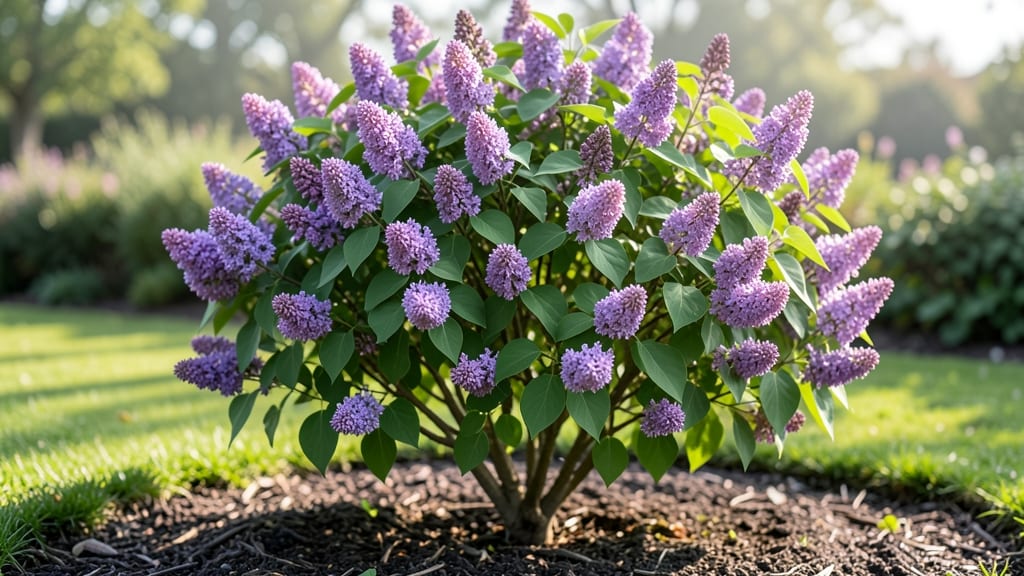
Lilacs in Indiana bloom between mid-April and early May, with early varieties like 'Sybille' opening in late April and later types such as 'Katherine Havemeyer' appearing in late May. Your local frost dates and specific cultivars determine exact timing.
Indiana's spring weather creates a perfect window for lilac blooms, but exact timing varies by microclimate and cultivar. 🌸 The northern part of the state often sees blooms slightly earlier due to warmer microclimates near lakes, while southern Indiana may experience delayed flowering after late frosts.
I've noticed that well-established bushes in Zone 5-6 tend to bloom more reliably each year once they've matured past their first few seasons.
For gardeners wanting continuous color, planting a mix of early, mid, and late-season varieties creates a staggered display that lasts from April through June. For example, 'Common Lilac' typically blooms in early May, while 'Dwarf Korean Lilac' often starts in late April.
This strategy maximizes your spring enjoyment while accounting for Indiana's unpredictable weather patterns.
💡 In This Article
- Factors Affecting Lilac Bloom Times in Indiana
- Best Indiana Lilac Varieties for Early, Mid, and Late Season Blooms
Factors affecting lilac bloom times in Indiana
Indiana's bloom timing hinges on three key factors: hardiness zones, microclimates, and temperature accumulation. Most of the state falls within Zones 5-6, where lilacs need 50-100 chill hours (below 45°F) to break dormancy.
However, the critical trigger is when daytime temperatures consistently reach 50-55°F for at least 5 days - this signals buds to swell. Northern Indiana often sees blooms 7-10 days earlier than southern areas because lake-effect warming near Lake Michigan creates microclimates with 2-3°F warmer average spring temperatures.
The last spring frost date becomes crucial - buds can't tolerate temperatures below 28°F without damage. Indiana's average last frost ranges from April 15 in southern regions to May 1 in northern areas, which explains why 'Katherine Havemeyer' often blooms 2 weeks later in southern Indiana gardens.
Soil moisture also plays a subtle role: well-drained but consistently moist soil helps roots deliver nutrients to developing buds, while drought stress can delay flowering by 5-7 days in dry springs.
Sunlight exposure creates another layer of variation. Lilacs planted in full sun (6+ hours daily) typically bloom 10-14 days earlier than those in partial shade. This is because photosynthesis in leaves produces the floral hormones needed for bud development.
I've observed that bushes receiving morning sun but afternoon shade in Indiana's humid climate often develop larger, more fragrant blooms despite slightly delayed timing.
Age matters too - young lilacs (under 3 years) may bloom 2-3 weeks later than mature bushes because they're still establishing root systems.
The cultivar's genetic memory also plays a role: some European varieties like 'Sybille' have adapted to Indiana's climate over decades, while newer hybrids may need 1-2 seasons to sync with local conditions. This is why garden centers often recommend planting 2-3 year old bushes for more predictable bloom times.
One often-overlooked factor is wind patterns. Indiana's prevailing westerly winds can carry pollen from early-blooming varieties to nearby bushes, sometimes triggering earlier bud opening in susceptible cultivars.
This phenomenon explains why some gardeners report 3-5 day variations in bloom timing between identical bushes planted just 50 feet apart. 🌬️
For precise timing, track your local growing degree days (GDD) - lilacs typically bloom when they've accumulated 200-300 GDDs since January 1st. Most Indiana counties reach this threshold between April 10-25, with northern areas hitting it first.
Using a simple GDD calculator with your zip code can help predict bloom windows with 90% accuracy for your specific location.