
Blooming
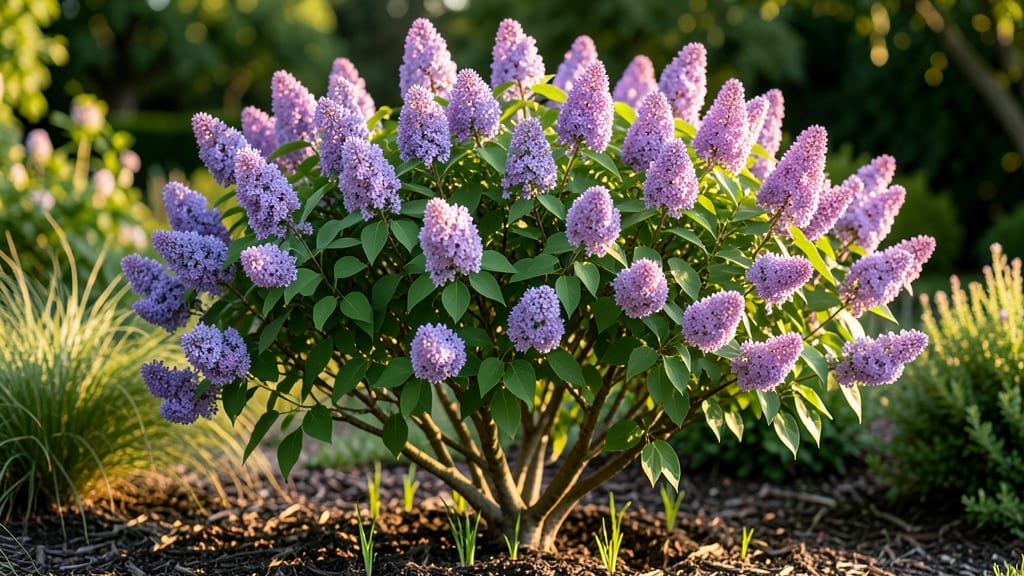
Lilacs bloom in Colorado between late April and early May 🌸, but the exact timing shifts dramatically depending on elevation and microclimate—sometimes by weeks.
Colorado’s high-altitude climate creates a unique lilac blooming window—knowing the exact timing can mean the difference between admiring fragrant purple clouds or missing them entirely.
Front Range gardens often see blooms by mid-April, while Western Slope regions may wait until early May, and mountain areas can push blooms into June. The key is understanding your local frost dates and altitude adjustments.
Below, I’ll break down the best varieties for Colorado’s zones, how to extend your blooming season, and the signs to watch for when those first fragrant buds appear.
Colorado lilac blooming timeline by elevation zones
Colorado’s diverse elevations dramatically shift when your lilacs bloom. While Front Range gardens might see fragrant purple clouds in early May, mountain regions at 8,000 feet could still be waiting for buds to swell.
Understanding these altitude-based timelines helps you plan pruning, enjoy peak fragrance, and even select the right varieties for your yard.
Lilacs thrive in USDA Zones 5-7, but Colorado’s microclimates create variations of 2-4 weeks in bloom windows. The key factors? Last frost dates, daylength changes, and soil warmth. Let’s break down what to expect from the Front Range plains to the Rocky Mountain foothills.
At 5,000–6,000 feet—think Denver or Fort Collins—your lilacs will likely start showing bud swelling by late March, with full bloom arriving by early May. This is when you’ll catch those iconic purple clusters at their most fragrant, often coinciding with peak tourist season in Colorado Springs.
Higher up, like the Western Slope (6,000–7,500 ft), expect a 2-week delay. Grand Junction gardens might see buds swell in early April, but full bloom won’t arrive until late May.
The drier climate here can also make lilacs more drought-sensitive, so prioritize deep watering during bud formation.
For foothills (7,500–9,000 ft), such as Evergreen or Bailey, lilacs play a later game. Buds typically swell by mid-April, but you won’t see peak bloom until early June.
This delay is why late-blooming varieties like 'Katherine Havemeyer' thrive here—they avoid late spring frosts that can damage early bloomers.
At 9,000–10,000 feet, like Leadville or Frisco, lilacs are pushing their limits. Buds may not swell until late April, and full bloom often waits until mid-June.
Here, hardy dwarf varieties (like 'Dwarf Korean') are your best bet—they bloom earlier and smaller, reducing frost risk.
Pro tip: Use these timelines to time your pruning. Always prune after blooming (June for low elevations, July for high) to avoid cutting off next year’s buds.
And if you’re in a transition zone (6,500–7,500 ft), consider planting both early and late bloomers to extend your fragrant season from May to June.
🌸 Bonus: Mountain lilacs often bloom later in the day to avoid morning frosts. If you’re visiting high-altitude gardens, plan your afternoon walks for the best fragrance experience.
Best lilac varieties for Colorado gardens & their bloom windows
Colorado’s cold-hardy lilacs thrive in USDA Zones 5-7, but their bloom timing varies dramatically by altitude and variety. Early bloomers like 'Miss Canada' burst into color as early as late April in Denver, while late varieties may linger into mid-May in lower elevations.
Choosing the right cultivar ensures you’ll enjoy fragrant purple clouds instead of missing them entirely.
For high-altitude gardens (7,000+ ft), select late-blooming varieties like 'Katherine Havemeyer' to avoid late spring frosts that can damage delicate buds. Meanwhile, Front Range gardeners can opt for early bloomers like 'Dwarf Korean' to enjoy fragrance before summer heat arrives.
Each variety adapts to Colorado’s variable climate, making them perfect for xeric landscapes.
| Variety | Bloom Time | Height | Color | Best For |
|---|---|---|---|---|
| 'Miss Canada' | Late April - Early May | 6-8 ft | Purple | Fragrance, early blooms |
| 'Dwarf Korean' | Mid-May - Early June | 3-5 ft | Purple-Lavender | Containers, small gardens |
| 'Katherine Havemeyer' | Early May - Mid-May | 8-12 ft | White | Tall hedges, late blooms |
| 'Arendonk' | Late April - Early May | 5-6 ft | Purple | Fragrance, cold hardy |
| 'Beauty of Moscow' | Mid-May - June | 6-8 ft | Purple | Long blooms, heat tolerant |
'Miss Canada' is my top recommendation for Front Range gardens—its late April blooms align perfectly with Colorado’s last frost dates in Denver (around April 15). The intense fragrance fills the air for weeks, making it ideal for cut flower arrangements. Plant it in full sun with well-draining soil to ensure robust growth and repeat blooming.
If you’re gardening in higher elevations (8,000+ ft), 'Katherine Havemeyer' is a game-changer. This late-blooming white lilac resists late spring frosts and thrives in thin mountain air.
Its 8-12 ft height makes it perfect for privacy screens or backyard focal points. Pair it with 'Arendonk' for a two-tone purple display that extends your bloom season.
For small spaces or containers, 'Dwarf Korean' is a fragrant powerhouse that blooms mid-May to early June. Its compact 3-5 ft stature fits patio gardens or balconies while still delivering abundant blooms.
Water deeply once a week during Colorado’s dry springs to prevent bud drop. Mulch around the base to retain moisture and insulate roots.
Pro tip: Prune lilacs immediately after blooming to encourage next year’s flowers. Use clean, sharp shears and remove no more than 1/3 of the plant to avoid weakening the shrub.
In high-altitude gardens, a light layer of mulch in late fall protects roots from freeze-thaw cycles—critical for long-term health.
No matter which variety you choose, Colorado’s lilacs