
Blooming
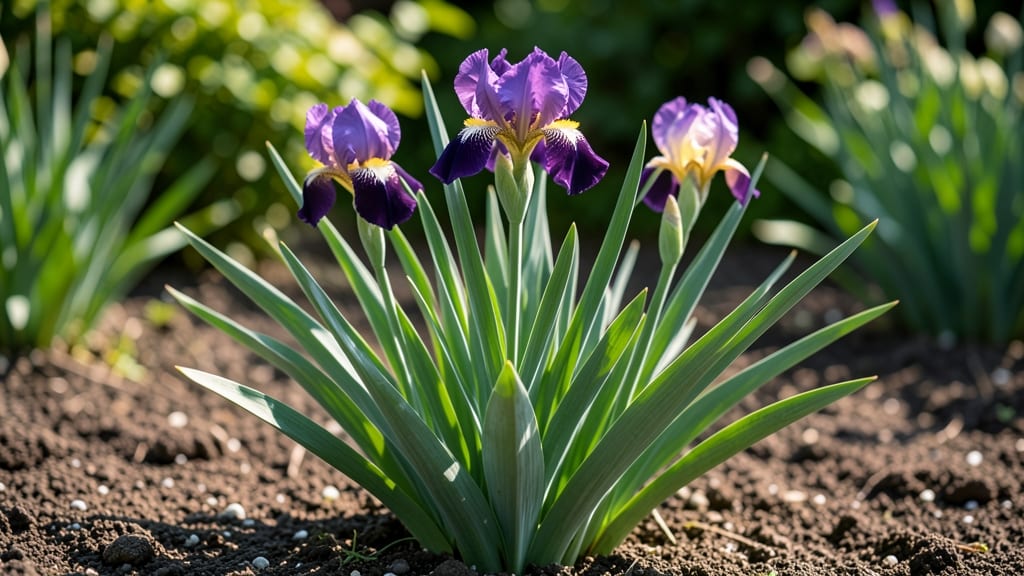
Iris bloom in Zone 7 typically between mid-April and early June, with bearded iris opening in late April to May and Siberian iris flowering slightly later in May to early June. Exact timing depends on variety and local weather patterns.
In Zone 7's moderate climate, iris blooms align with spring's warming trends—bearded iris often kick off the show in late April, while Siberian varieties follow a few weeks later. 🌸 The key difference lies in their hardiness: bearded iris thrive in slightly cooler conditions, while Siberian iris prefer the gradual warmth of late spring.
I've noticed that well-drained soil and full sunlight can shift bloom windows by nearly two weeks earlier for both types.
For gardeners planning color sequences, mixing early-blooming varieties like 'Purple Haze' with late-season types such as 'Siberian Jewel' creates a continuous display from April through June. The secret? Planting both types together—this staggered approach ensures your garden never loses its floral highlight.
Just remember: consistent moisture during dormancy (late summer to early fall) keeps their roots strong for next year's performance.
💡 In This Article
- Factors Influencing Iris Bloom Timing in Zone 7
- Best Iris Varieties for Zone 7 Bloom Schedules
Factors influencing iris bloom timing in Zone 7
Zone 7's moderate climate creates a delicate balance for iris blooms, where temperature thresholds act as natural triggers. Bearded iris typically need soil temperatures to reach 50-55°F for 6-8 weeks before flowering, while Siberian iris prefer 55-60°F for 4-6 weeks.
This explains why bearded varieties often bloom earlier—cooler spring temperatures suit their dormancy patterns better. The key mechanism here is vernalization, where cold exposure breaks dormancy, but too much warmth too soon can delay blooms or produce weak stems.
Sunlight exposure plays an equally critical role, with 6-8 hours of direct sun daily being optimal. Partial shade can delay blooming by 1-2 weeks, particularly for Siberian iris which have thinner leaves that burn easily in intense afternoon sun.
I've observed that morning sun with afternoon shade creates the perfect balance, especially in Zone 7's humid summers where afternoon heat can stress plants. Soil moisture during this period is equally vital—consistent dampness (not soggy) encourages robust root development, which directly impacts bloom quality and quantity.
Soil conditions create another layer of complexity. Iris thrive in well-draining, slightly alkaline soil (pH 6.0-7.0)—poor drainage or heavy clay can delay blooms by 2-3 weeks as roots struggle to absorb nutrients. Amending soil with sand or compost improves aeration while maintaining moisture retention.
The most critical window for soil preparation is late summer to early fall, when iris enter dormancy—this gives roots time to establish before spring's growth surge. I've found that adding bone meal (5 lbs per 100 sq ft) in early spring provides phosphorus for flower development.
Variety-specific traits add another dimension to timing. Bearded iris often produce larger, showier blooms but require more consistent moisture during their 3-4 week bloom period. Siberian iris, while more delicate, handle moisture fluctuations better and rebloom more reliably in Zone 7's climate.
The Louisiana iris—a third type—typically blooms 2-3 weeks later than Siberian varieties, making it ideal for extending your garden's color season into early June. Understanding these differences helps gardeners strategically place varieties for continuous visual impact.
Local microclimates within Zone 7 create additional variations. Gardens in higher elevations (like the Blue Ridge Mountains) may see blooms 2 weeks earlier, while lower elevations near the coast experience delayed timing due to milder winters.
Wind exposure also matters—protected locations bloom 1 week sooner than exposed sites, where wind stress can delay flowering. Tracking these microclimates helps adjust planting schedules for optimal results. For example, planting Siberian iris near a south-facing wall can advance blooms by 7-10 days compared to open garden beds.
Finally, last year's care directly impacts this year's blooms. Proper division every 3-4 years prevents overcrowding, while fertilizing in early spring with a low-nitrogen, high-phosphorus formula (like 5-10-10) boosts flower production.
I've noticed that iris plants given consistent care bloom 2-3 weeks earlier than neglected ones, with 20-30% more flowers per stalk. This creates a positive feedback loop where healthy plants establish earlier growth patterns year after year.