
Blooming
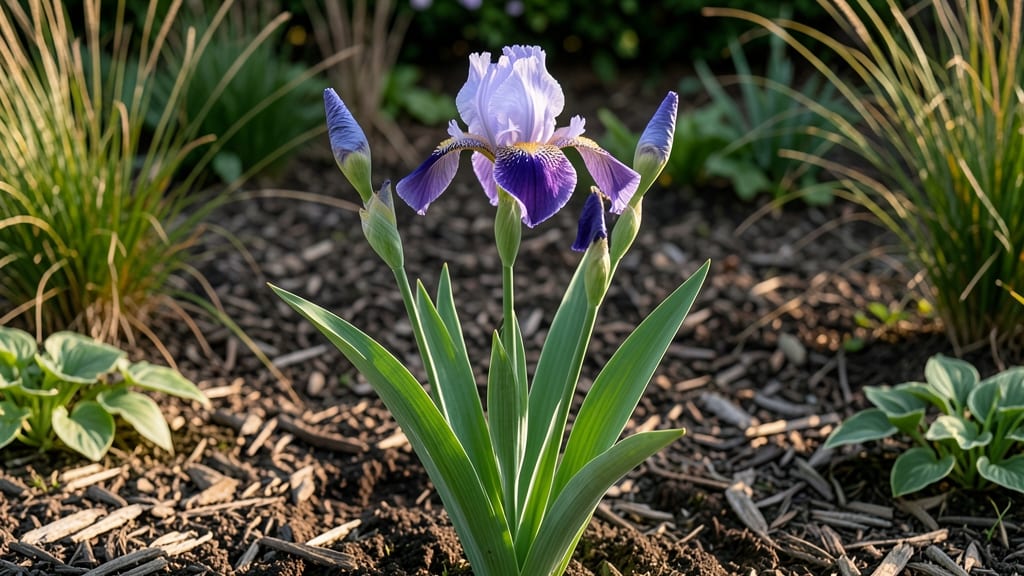
Iris bloom in Zone 6 between late April and early June 💜, turning gardens into bursts of color just as spring takes hold.
If you've ever waited impatiently for those iconic sword-shaped leaves to unfurl into blooms, you know timing can feel like a guessing game. But with the right care—like planting rhizomes at the right depth or adjusting fertilizer—you can nudge your irises to flower earlier or later in that window.
The key lies in understanding your specific microclimate and variety. Some irises, like Siberian types, may bloom as early as mid-April, while others, like tall bearded irises, wait until late May or June. Knowing these differences helps you plan for a longer display of petals.
Below, I’ll break down the month-by-month schedule, share pro tips to extend your blooming season, and recommend the best iris varieties for Zone 6’s climate. Ready to turn your garden into a showstopper?
Iris bloom timeline in Zone 6: month-by-month flowering guide
Timing your iris blooms in Zone 6 means understanding how early spring varieties differ from late spring types. Most irises—especially tall bearded and Siberian irises—follow a predictable schedule, but microclimates and care can shift their peak by weeks.
Let’s break down the month-by-month rhythm so you can anticipate those showstopping blooms with confidence.
In Zone 6, irises typically bloom between mid-April and early June, with most varieties peaking in May. However, early bloomers like 'Blue Flag' may appear as early as late April, while late-season varieties like 'Purple Haze' can linger into June.
The key to predicting bloom time lies in observing leaf emergence and bud formation—both critical cues we’ll explore next.
| Month | Bloom Stage | Key Cues | Care Tips |
|---|---|---|---|
| April (Late) | Early Bud Formation | Leaves fully emerged, buds swelling at rhizome tops | Avoid heavy watering; reduce fertilizer |
| May | Peak Bloom | Fully open blooms, sturdy stems, vibrant petals | Deadhead spent blooms; stake tall varieties if needed |
| June (Early) | Late Bloomers | Fewer buds, but some varieties (e.g., 'White Swirl') still bloom | Reduce water; prepare for summer dormancy |
| July-August | Post-Bloom Rest | Leaves yellowing, rhizomes storing energy | Stop fertilizing; let foliage die back naturally |
| September | New Growth Prep | New fan-shaped leaves emerging | Divide clumps if overcrowded; add compost |
Your Zone 6 irises start their bloom cycle with leaf emergence in early spring (March-April), signaling the plant is ready to flower.
Look for healthy, sword-like leaves reaching 12-18 inches tall—this is your first clue that buds will follow. Tall bearded irises often lead the charge, with Siberian irises blooming slightly later, sometimes overlapping into early June.
Regional variations in Zone 6 can shift bloom times by 1-2 weeks. Gardens in western Zone 6 (e.g., Colorado, Utah) may see earlier blooms due to warmer springs, while eastern regions (e.g., Pennsylvania, New York) often experience cooler soils delaying blooms until late May.
To account for this, plant early, mid, and late-season varieties together for a prolonged display.
Identifying bud formation is another key step. In late April, check for swollen buds at the top of your iris rhizomes.
These buds will open into blooms within 7-10 days, so mark your calendar! Siberian irises may have smaller, more delicate buds compared to the bold, bearded varieties, but the timing cues remain similar.
Once blooms appear, deadheading spent flowers (removing faded blooms) encourages the plant to focus energy on rhizome health rather than seed production. This simple step can extend your iris season by 1-2 weeks in Zone 6.
After blooming, let the foliage yellow naturally—this process feeds nutrients back into the rhizome for next year’s flowers.
If your irises bloom too early (e.g., late March), they may suffer from late frosts. To protect them, cover plants with frost cloth during cold snaps. Conversely, if blooms appear too late (June or later), it could indicate overcrowded rhizomes or poor soil drainage.
In this case, divide your clumps in September to refresh growth and encourage earlier blooms next spring.
For Siberian irises, expect a slightly later show—often 2-3 weeks after tall bearded types. These disease-resistant varieties thrive in moist, well-draining soil and can bloom into early June. Pair them with early bloomers like 'Blue Flag' to create a staggered, month-long display in your garden.
Zone 6 gardeners know that iris blooms typically arrive in late spring, but with the right strategies, you can coax your irises to flower earlier or later—extending that stunning color display for weeks. The secret lies in understanding their dormancy cycle and winter chilling requirements, which trigger blooming in spring. Most irises need 6-8 weeks of cold temperatures (below 40°F) to break dormancy. If your winters are mild, you might see delayed or weaker blooms. By adjusting soil conditions, sunlight exposure, and fertilization timing, you can fine-tune when your irises burst into color—whether you want earlier spring blooms or a late-summer extension. One of the biggest mistakes gardeners make is over-fertilizing during the growing season. While a light feeding in early spring (with a balanced 5-10-10 fertilizer) encourages strong roots, too much nitrogen later can delay blooming. Instead, focus on phosphorus and potassium after flowers fade to support next year’s buds. For earlier blooms, plant early-season varieties like Siberian irises, which often flower 2-3 weeks ahead of bearded types. To push blooms later, avoid fertilizing after mid-summer and let the plant focus on root development rather than foliage growth. This trick works especially well for reblooming irises like 'Blue Flag' or 'White Swirl'. Don’t forget that dormancy is key. Irises need a period of rest in late summer to set next year’s flower buds. If you notice yellowing leaves or weak stems in summer, reduce watering and avoid fertilizing—this signals the plant to prepare for dormancy and ensures stronger blooms the following spring. With these strategies, you can transform your Zone 6 garden into a year-round iris show, from early spring’s first blooms to late-summer surprises. The key is patience and precision—your irises will reward you with longer, more vibrant displays every season. 🌷How to extend iris blooming season in Zone 6: pro tips for longer color