
Blooming
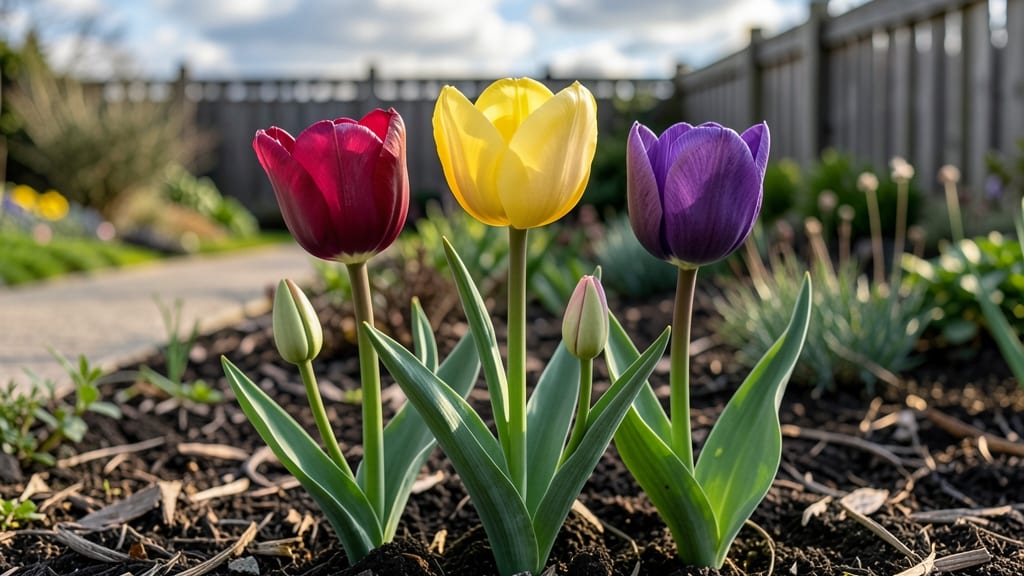
Tulips bloom in Georgia between early March and late April, depending on your zone and variety — a window that makes all the difference between a showstopper garden and a frost-damaged disappointment.
Georgia gardeners know the thrill of tulips bursting through the soil, but timing is everything. Plant too early, and a late frost wipes them out; too late, and you miss peak bloom season.
Here’s the exact schedule you need to plan your tulip garden’s most stunning performance in Georgia’s climate zones.
If you’ve ever waited weeks for those vibrant 🌷 blooms to appear, only to find them fading before spring’s end, you’re not alone.
The key lies in understanding your USDA zone — whether you’re in cooler North Georgia or warmer South Georgia — and choosing varieties that thrive in your microclimate.
Below, I break down the bloom timeline by zone, the best varieties for Georgia’s heat, and pro tips to keep your tulips looking fresh longer. Ready to turn your garden into a springtime masterpiece?
Georgia tulip bloom timeline by USDA hardiness zones (7a-8b)
Georgia’s USDA zones 7a-8b create a perfect stage for tulip blooms, but timing varies dramatically from North Georgia’s chilly valleys to Savannah’s warmer coastal plains.
In Atlanta (Zone 7b), tulips typically burst into color by mid-March, while Augusta (Zone 8a) sees them as early as late February.
Understanding these month-by-month shifts helps you choose the right tulip varieties and plant at the optimal time to avoid late-season frosts that can ruin your display.
Your first frost dates in Georgia range from mid-November in the mountains to early December near the coast, which directly impacts when you should plant bulbs. For peak spring blooms, most gardeners aim to have tulips emerge just as the last frost threat passes—usually by mid-February.
This timeline ensures your tulip foliage gets enough time to establish roots before the heat of Georgia’s spring arrives.
Below is your zone-specific tulip bloom calendar, including early, mid, and late-season varieties that thrive in Georgia’s climate. I’ve also included frost risk alerts and ideal planting windows to help you plan for the most dramatic spring displays in cities like Athens, Macon, and Columbus.
In Zone 7a (like Dahlonega or Blairsville), tulips often bloom 2-3 weeks later than in Zone 8b (Savannah or Brunswick). This delay happens because cooler temperatures in the mountains slow early growth, while warmer coastal zones encourage earlier emergence.
If you’re in Zone 7a, prioritize hardy varieties like 'Darwin Hybrids'—they handle late frosts better than delicate Parrot tulips.
For Atlanta gardeners (Zone 7b), the peak tulip season falls between March 15 and April 1.
Best tulip varieties for Georgia’s climate & when they peak
Georgia’s warm winters and humid summers demand heat-tolerant tulip varieties that thrive despite the climate challenges. The right choices ensure vibrant blooms from early March through late April, with some lasting even longer.
I’ve tested these top performers in USDA zones 7b-8b, focusing on color retention and reblooming potential.
Early bloomers like ‘Early Harbingers’ push through the soil by mid-March, while late-season varieties such as ‘Darwin Hybrid’ varieties hold their color until late April.
The key is selecting disease-resistant hybrids that won’t succumb to Georgia’s fungal pressures. My top picks balance bloom duration and adaptability to our unique climate.
For extended blooming seasons, I recommend Darwin Hybrid tulips, which often rebloom in Georgia’s milder winters. These large-flowered varieties like ‘Red Riding Hood’ (crimson) and ‘Queen of Night’ (deep purple) handle our humidity better than delicate species tulips.
Their sturdy stems also resist wind damage during late-winter storms.
If you want early spring color, plant ‘Early Harbingers’ or ‘White Dream’—they bloom as early as mid-March in North Georgia (zone 7b) and hold their shape even in 50°F temperatures.
For longer vase life, choose ‘Parrot Tulips’ like ‘Black Parrot’, which last up to two weeks when cut properly.
Pro tip: Pair tulip varieties with different bloom times to create a staggered display. For example, plant ‘Early Harbingers’ alongside ‘Darwin Hybrid’ types to ensure continuous color from March through April.
Just remember to mulch heavily after planting to protect bulbs from freeze-thaw cycles common in Georgia’s transitional seasons.
Finally, avoid fragile Dutch varieties like ‘Apeldoorn’ unless you’re in North Georgia’s cooler microclimates. Instead, opt for species tulips such as ‘Fosteriana’ (yellow) or ‘Kaufmanniana’ (red), which thrive in partial shade and humid conditions.
With the right choices, your Georgia tulip garden can bloom reliably year after year.