
Blooming
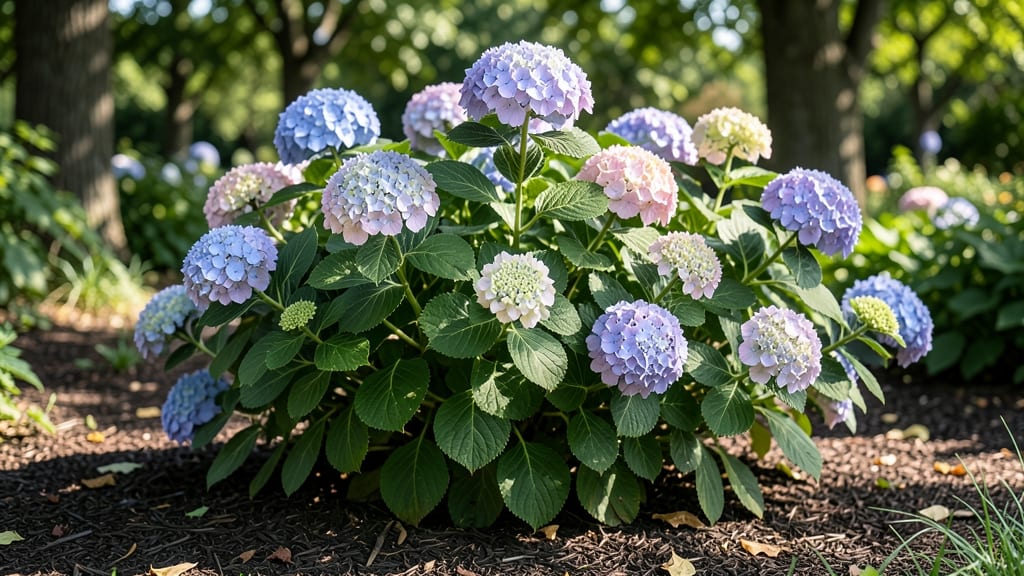
Hydrangeas bloom in Cape Cod from late May through July 🌸, with some varieties stretching into August, but coastal winds and temperature swings can shift that window dramatically.
Picture this: you’ve waited all spring for your hydrangeas to burst into color, only to find sparse blooms or none at all. Cape Cod’s unique climate—where salt spray meets chilly nights—can delay or even stunt flowering if you’re not prepared.
The key to timing is understanding your specific variety and microclimate. Bigleaf hydrangeas often bloom later, while panicle types may start as early as June. Coastal areas near the ocean can experience 1-2 weeks later blooms compared to inland spots.
In this guide, I’ll break down the exact bloom windows for Cape Cod’s most popular hydrangeas, plus pro tips to push your plants into peak season—even when the weather plays tricks.
Hydrangea bloom timing in Cape Cod: month-by-month variety guide
Cape Cod’s unique coastal climate creates a stunning backdrop for hydrangeas, but the timing of blooms varies dramatically between varieties. Unlike inland regions, our Zone 6b conditions with salt spray and cooler temperatures demand precise planning.
Whether you're growing Bigleaf hydrangeas for their vibrant colors or Panicle types for their long-lasting blooms, knowing when to expect flowers helps you maximize your garden's impact.
Most hydrangeas on Cape Cod begin their blooming cycle in late spring, but some varieties stretch into early fall. The first frost date around November 1 sets the hard deadline for late-season bloomers.
By understanding each variety's schedule, you can choose plants that align with your seasonal preferences—whether you want early summer color or extended fall interest.
Key factors like soil pH (which affects flower color), pruning timing, and microclimates near the coast all influence bloom windows. For example, Oakleaf hydrangeas often bloom earlier than Bigleaf types, while Panicle hydrangeas may rebloom in fall if pruned correctly. Let's break down the month-by-month schedule for Cape Cod's most popular varieties.
| Variety | Bloom Window | Peak Month | Cape Cod Notes |
|---|---|---|---|
| Bigleaf (e.g., 'Endless Summer') | Late June - August | July | Reblooms if deadheaded; color shifts with soil pH |
| Oakleaf (e.g., 'Pincushion') | May - June | Late May | Early bloomer; fall foliage adds seasonal interest |
| Panicle (e.g., 'Limelight') | July - September | August | Longest bloom season; tolerates salt spray better |
| Mophead (e.g., 'Nikko Blue') | June - August | July | Needs winter protection in exposed coastal areas |
| Coastal Adjustments: Plant near windbreaks; mulch heavily in fall to protect roots from salt spray | |||
In May, Cape Cod gardeners should watch for Oakleaf hydrangeas to kick off the season, often producing buds as early as late April in sheltered microclimates. These varieties thrive in partial shade and can handle the cooler temperatures common in May.
If you're growing 'Pincushion' Oakleaf hydrangeas, expect their unique cone-shaped blooms to appear by mid-May, with peak color lasting through June.
By June, the garden shifts to Bigleaf and Mophead varieties, which typically bloom in late June through August. This is when Cape Cod's soil pH becomes crucial—acidic soil (pH 5.5) produces blue flowers, while alkaline soil (pH 6.5+) yields pink blooms.
Test your soil in early June to adjust flower colors for the peak season. 'Endless Summer' Bigleaf hydrangeas are particularly popular for their reblooming habit if you deadhead spent flowers.
The dog days of summer (July-August) belong to Panicle hydrangeas, which offer the longest bloom window of all varieties. 'Limelight' and 'Little Lime' varieties produce cone-shaped blooms that start in July and often persist into September.
These types are also more salt-tolerant, making them ideal for coastal gardens. Prune them in late winter to encourage robust summer growth.
Don't overlook fall reblooming opportunities! Some Panicle and Bigleaf varieties may produce a second flush of blooms in September if given proper care. Reduce watering slightly in late summer to stress the plant just enough to trigger fall blooming.
Mulch around the base in early September to protect roots from Cape Cod's cooler nights and potential early frosts.
As October arrives, most hydrangeas begin their transition to dormancy, but a few late-season performers like 'Limelight' Panicle hydrangeas may still show color. This is the perfect time to prune spent blooms and add a 3-inch layer of mulch to insulate roots.
Avoid heavy pruning now—wait until late winter (February-March) for structural cuts
How Cape Cod’s coastal climate affects hydrangea blooming seasons
Cape Cod’s unique coastal microclimate creates a double-edged sword for hydrangeas. While the moderate temperatures and humidity extend growing seasons, salt spray and temperature fluctuations can delay or shorten bloom windows.
Unlike inland gardens, coastal hydrangeas often bloom 2-3 weeks later due to cooler maritime air. Understanding these factors helps you time pruning and fertilizing for maximum impact.
The last spring frost on Cape Cod typically arrives around April 15, but coastal areas can experience delays until May 1. This timing directly affects when hydrangeas like Bigleaf varieties (e.g., 'Endless Summer') push buds.
Meanwhile, Oakleaf hydrangeas (e.g., 'Snow Queen') may bloom earlier in sheltered inland spots but struggle near salt-laden winds along shorelines. The result? A 3-week bloom window shift depending on your yard’s exposure.
⚠️ WARNING: Coastal Climate Pitfalls for Hydrangeas
Soil pH levels also play a critical role. Cape Cod’s sandy, acidic soils (pH 4.5-5.5) often need lime amendments to reach hydrangea’s ideal pH 5.5-6.2. Blue blooms (like 'Nikko Blue') thrive in acidic conditions, while pink ('Annabelle') prefers neutral soil.
Test your soil in early spring—amendments take 6-8 weeks to stabilize. Pro tip: Wood ash raises pH faster than lime but use sparingly (½ cup per plant).
To extend your hydrangea season by 3-4 weeks, start with late-season pruning in October instead of spring. Cut back dead stems to the first set of 5 buds—this encourages early spring growth and pushes blooming 2 weeks earlier.
Pair this with winter mulching (using straw or shredded leaves) to insulate roots from coastal windburn. For container hydrangeas, move pots to sheltered spots during fall storms—this protects buds from salt-laden rain.
Watering strategies must adapt to Cape Cod’s dry summer winds. While hydrangeas need 1-2 inches of water weekly, coastal areas lose moisture faster due to salt evaporation. Water deeply at dawn (using drip irrigation) to prevent bud blast from afternoon sun.
Group hydrangeas with mulch rings (4-6 inches wide) to retain 20% more moisture. Avoid overhead sprinklers—they spread salt residue, which burns foliage and stunts blooms.
Monitor humidity levels too. Coastal areas often have 70-80% humidity, which hydrangeas love—but stagnant air promotes powdery mildew. Improve airflow by pruning dense growth in early spring and spacing plants 3-5 feet apart.
For high-risk areas, apply neem oil spray (mixed 1 tbsp per gallon of water) every 2 weeks during June-July. This prevents fungal blooms without harming beneficial insects.