
Blooming
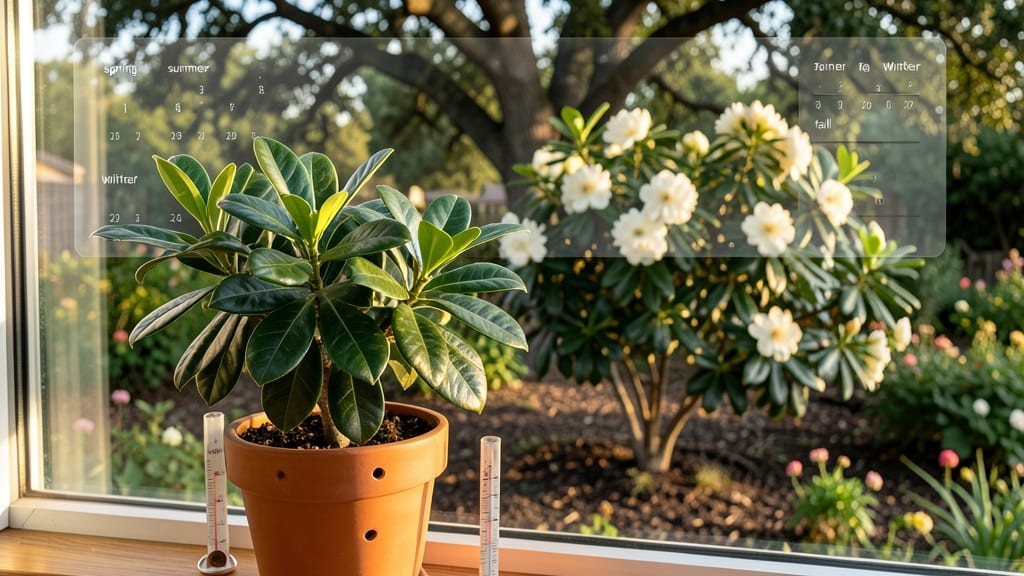
Gardenias don't bloom all year, but tropical varieties like Gardenia jasminoides can flower continuously in warm climates, while most temperate types only bloom seasonally (spring/summer). Temperature drops and dormancy cycles naturally pause blooming until conditions improve.
Gardenias are famously picky about their environment, and that's why their blooming patterns vary so dramatically. 🌸 In tropical regions, varieties like Gardenia jasminoides thrive year-round, producing those iconic white flowers almost continuously when temperatures stay above 60°F and humidity remains high.
However, in cooler climates, even tropical gardenias may enter dormancy during winter months, while native varieties like Gardenia augusta typically bloom only in spring and summer.
The key difference comes down to how each variety has adapted to its natural environment—some are built for perpetual warmth, while others evolved to conserve energy during cold seasons.
What's fascinating is how gardeners can work with these natural tendencies. For example, pruning spent blooms in late summer encourages new growth, while adjusting soil pH to 5.0-6.5 helps maximize nutrient uptake for stronger blooms.
In colder regions, bringing potted gardenias indoors before the first frost can extend their flowering season significantly. The bottom line? While you won't get year-round blooms in every climate, understanding your specific variety and local conditions lets you get much closer to that dream gardenia display.
💡 In This Article
- Climate and Variety Factors Affecting Year-Round Gardenia Blooms
- Tips to Extend Gardenia Blooming Seasons in Different Climates
Climate and variety factors affecting year-round Gardenia blooms
Gardenias regulate blooming through a complex interplay of temperature and daylight hours, with each species having evolved distinct survival strategies. Tropical varieties like Gardenia jasminoides thrive in consistent 70-85°F conditions, where they can produce flowers continuously because their metabolic processes remain active year-round.
These plants lack the dormancy mechanisms found in temperate species, which is why they're often called "ever-blooming" in ideal climates.
The key difference lies in their photoperiod sensitivity—tropical gardenias don't require seasonal light changes to trigger flowering, while temperate types need 12-14 hours of daylight during spring/summer to stimulate bloom production.
Humidity plays an equally critical role, as gardenias originate from moist, subtropical forests where air moisture stays above 60%. In dry climates, even tropical varieties may struggle to maintain continuous blooming because their delicate flowers wilt quickly when transpiration exceeds moisture availability.
The waxy coating on gardenia leaves helps conserve water, but extreme dryness forces the plant to prioritize survival over flowering.
What's fascinating is how some hybrid varieties have developed partial drought tolerance—these can produce flowers intermittently even when humidity dips to 40-50%, though the blooms will be smaller and less frequent.
Temperature acts as the primary bloom regulator for most gardenias. When nighttime temperatures drop below 50°F, even tropical varieties enter a semi-dormant state where flower buds fail to open properly.
This is why gardeners in Zone 8-9 often see their gardenias bloom heavily in summer but produce only sporadic flowers in winter. The plant's internal clock detects these cooler nights and triggers hormonal changes that pause vegetative growth, redirecting energy toward root development instead.
In contrast, gardenias grown in greenhouses with heated benches can maintain blooming year-round because their root zones stay consistently warm.
Soil temperature also influences blooming patterns, particularly in cooler climates. Gardenia roots prefer soil temperatures between 65-75°F—below this range, nutrient uptake slows dramatically, starving the plant of the phosphorus and potassium it needs for flower production.
This is why gardeners in colder regions often see their gardenias bloom poorly in early spring, when soil temperatures are still chilly from winter. The roots simply can't absorb enough nutrients to support abundant flowering until the ground warms sufficiently.
This soil-temperature effect explains why container-grown gardenias often bloom better than in-ground plants in northern climates—the containers warm up faster in spring sunshine.
Light exposure creates another critical factor, particularly for varieties like Gardenia augusta that require bright, indirect light for optimal blooming. These plants evolved in shaded forest understories, so they need 50-70% sunlight intensity to trigger flowering hormones.
Too much direct sun causes leaf scorch and reduces flower production, while insufficient light leads to leggy growth with few blooms. The balance is delicate—what works for a gardenia in Florida's partial shade may fail completely in a northern garden with similar light conditions but cooler temperatures.
This explains why some gardeners report their plants blooming beautifully in one location but poorly just a few miles away with seemingly similar conditions.
What most people don't realize is that gardenias actually produce flower buds continuously throughout the year, but these buds only open when environmental conditions are perfect. In tropical climates, the consistent warmth means these buds regularly mature into blooms.
In temperate zones, however, the plant's survival mechanisms cause it to "hold" most buds until spring, when the combination of warming temperatures, increasing daylight, and available moisture creates ideal conditions.
This built-in delay system ensures the plant doesn't waste energy producing flowers that would quickly wilt in cold weather—a clever adaptation that explains why gardenias often bloom so prolifically in spring but struggle to maintain that pace later in the year.