
Blooming
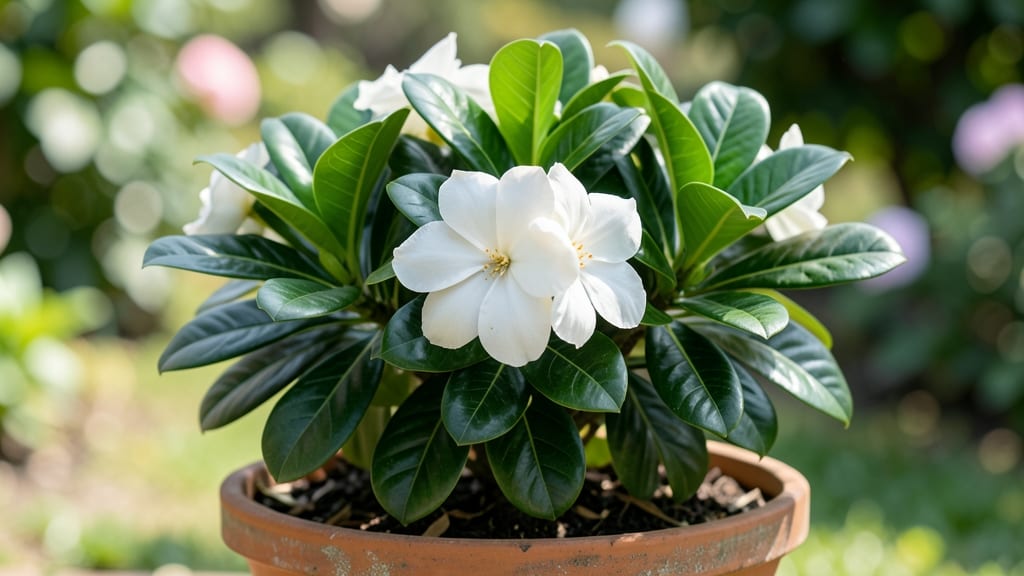
Gardenias bloom in Texas between late spring and early summer 🌸, but the exact timing depends on your heat zone and a few key care tricks that most gardeners miss.
If you’ve ever dreamed of filling your Texas garden with the intoxicating fragrance of gardenias, timing is everything—these heat-sensitive bloomers thrive in specific conditions that vary dramatically across the Lone Star State.
In North Texas (zones 8a-8b), expect those creamy-white blooms to appear around May, while South Texas gardeners (zones 9b-10b) often see flowers as early as April—but only if you’ve prepped the soil and protected them from the brutal afternoon sun.
Below, I’ll break down the month-by-month bloom windows by region, plus the three simple adjustments that can push your gardenias to flower a full two weeks earlier than neighbors’ plants.
Texas gardenia blooming seasons by USDA heat zones (map & timeline)
Texas gardenias (Gardenia jasminoides) are famous for their intense fragrance and creamy-white blooms, but their blooming windows shift dramatically across the state’s 11 USDA zones (6a–9b).
In North Texas (zones 7b–8a), blooms typically arrive in late February to March, while South Texas (zones 9a–9b) gardeners often see flowers as early as January. The key? Understanding your heat zone’s microclimate and how summer heat waves can shock buds before they open.
Gardenias are heat-sensitive and prefer partial shade during peak afternoons. In cooler zones (6a–7a), they may produce a second flush in fall if given proper care, while hotter zones (8b–9b) often see shorter bloom seasons unless you adjust watering and pruning strategies.
Let’s break down the month-by-month timeline for each zone, including heat tolerance thresholds to protect your blooms.
| USDA Zone | Primary Bloom Window | Secondary Bloom (Fall) | Heat Threshold (°F) | Care Tip for Heat |
|---|---|---|---|---|
| 6a (North Panhandle) | Late March–April | September–October | Below 95°F | Mulch heavily to retain moisture |
| 7a (North Texas) | February–March | September–October | Below 100°F | Provide afternoon shade cloth |
| 7b (Dallas/Fort Worth) | Late February–April | Late August–September | Below 105°F | Deep watering every 2 days |
| 8a (Austin/San Antonio) | January–March | August–September | Below 110°F | Prune after summer blooms |
| 8b (Houston/Beaumont) | December–February | July–August | Below 115°F | Use drip irrigation |
| 9a (Deep South Texas) | November–January | June–July | Below 120°F | Plant near water features |
| 9b (Rio Grande Valley) | October–December | May–June | Below 125°F | Use shade cloth year-round |
In North Texas (zones 6a–7b), gardenias often bloom in two flushes: a primary spring show and a secondary fall display. The earliest bloomers in zone 9b (Rio Grande Valley) may even flower in October, but extreme heat can <
How to extend gardenia blooms in Texas heat: pruning & care hacks
Texas summers can turn your gardenias into heat-stressed survivors rather than fragrant showstoppers—but don’t let the 100°F+ temperatures steal your blooms. With the right pruning schedule and care adjustments, you can coax your gardenias into a second flush of flowers in fall, even in the hottest zones.
The key? Timing everything to match Texas’s bloom windows while protecting delicate buds from stress.
Gardenias naturally bloom in spring (February–March), but with strategic pruning after the first flush and soil amendments, you can trigger a fall rebloom (September–October).
This “Texas Trick” works best for mature plants (3+ years old) and requires acidic soil (pH 5.0–6.0)—a common pitfall in our alkaline Texas clay. Let’s dive into the step-by-step hacks that’ll keep your gardenias flowering longer.
- Prune after first bloom: Cut back 1/3 of stems in late May to encourage fall regrowth.
- Feed with acidic fertilizer: Use Holly-tone (10-10-10) in June & August to fuel second flush.
- Water deeply at dawn: 1–2 gallons per plant before 10 AM to prevent bud drop.
- Mulch with pine bark: 3-inch layer retains moisture and lowers soil pH naturally.
- Avoid afternoon sun: Use lattice screens to block 2 PM–6 PM rays in peak summer.
Your pruning timing is critical—never trim after June 15, or you’ll risk fall frost damage before new buds set. For North Texas (Zones 7b–8a), focus pruning on late May to avoid early heat waves.
In South Texas (Zones 9a–10b), you’ve got until June 1 to prune safely. Always use sterilized shears to prevent bacterial leaf spot, a common Texas issue.
Texas’s alkaline soil (pH 7.5–8.5) is the #1 enemy of gardenia blooms. Amend your beds with sulfur or peat moss every 6 months to keep pH in the 5.0–6.0 range.
A quick test: If your soil smells like rotten eggs, it’s too alkaline—flush with vinegar water (1:10 ratio) to acidify. Pair this with organic matter (compost or leaf mold) to improve drainage, which gardenias desperately need in our heavy clay.
Watering on a schedule isn’t enough—gardenias hate wet feet but also wilting stress. Use the “finger test”: Stick your finger 2 inches into soil; if it’s dry, water deeply until runoff.
In August’s brutal heat, I water mine every morning at 6 AM with a soaker hose to avoid fungal issues. Pro tip: Collect rainwater in barrels—it’s softer and cooler than tap water, which can burn tender leaves.
For that coveted second flush, try the “Texas Trick”: After your spring blooms fade, feed with half-strength fertilizer in mid-July. Then, prune lightly (just tips) in early September to redirect energy into fall buds.
In Houston (Zone 9a), my ‘Kleim’s Hardy’ gardenias rebloom in October with this method—just in time for cool evenings and holiday fragrance.
Remember, patience is key. Gardenias take 2–3 years to establish after pruning before they’ll reliably rebloom. But once they do, you’ll have creamy-white blooms from February–March AND September–October—worth every drop of sweat (and rainwater barrel) in Texas’s relentless sun! 🌸