
Blooming
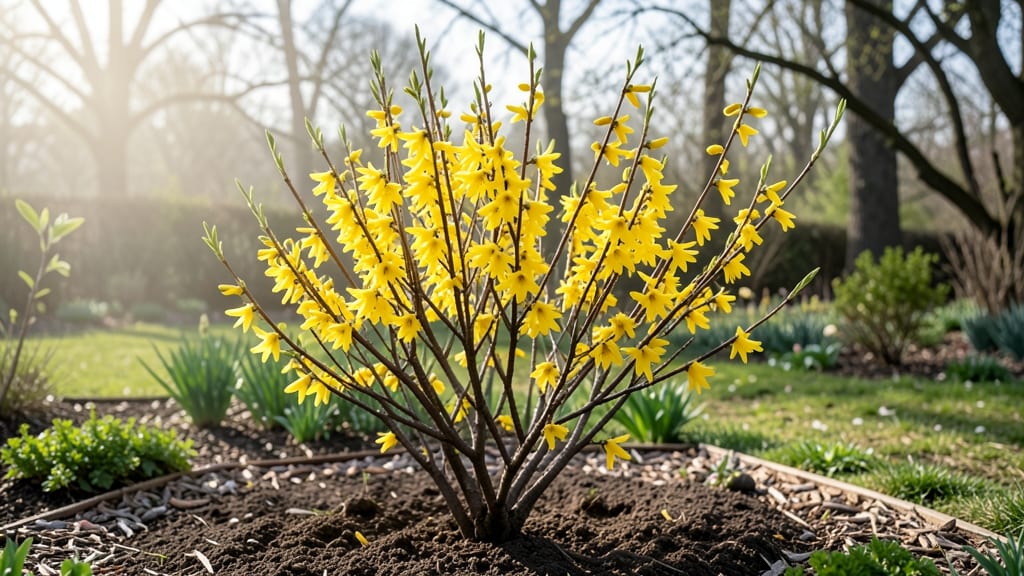
Forsythia blooms in Zone 7 between late February and early April, turning your garden into a burst of cheerful yellow 🌸.
If you’re eagerly waiting for those bright blooms to signal spring, timing is everything—miss the window, and you’ll stare at bare branches for weeks. But here’s the good news: with the right care, you can push those blooms earlier or extend their show.
Zone 7’s mild winters and variable spring temperatures mean forsythia can start blooming as early as late February in sheltered microclimates or wait until April in cooler pockets. The key? Understanding how sunlight, pruning, and even last year’s growth affect your shrub’s schedule.
In this guide, I’ll break down the exact week-by-week timeline for peak blooms, plus proven tips to coax your forsythia into flowering earlier or keeping those cheerful flowers on the branches longer.
Forsythia bloom timeline in Zone 7: exact weeks to expect yellow explosions
Forsythia shrubs are the first heralds of spring in Zone 7, bursting with bright yellow blooms that light up your garden before most other plants even think about waking up.
But timing is everything—those ephemeral flowers only last 2-3 weeks, so knowing the exact week-by-week schedule helps you plan your spring garden perfectly.
In Zone 7, forsythia blooms typically arrive between late February and early April, but the exact timing depends on your microclimate, sun exposure, and even the specific cultivar you’ve planted.
Let’s break down the precise bloom timeline so you can mark your calendar and never miss the show again.
🌸 Forsythia Bloom Timeline in Zone 7
- 📅 Week 1-2 (Late February): Early bloomers like 'Northern Gold' start opening buds in south-facing locations with warmer microclimates.
- 📅 Week 3 (Early March): Peak bloom begins for most varieties, with full yellow explosions lasting 7-10 days in ideal conditions.
- 📅 Week 4 (Mid-March): Full bloom for late varieties like 'Lynwood Gold'; prune immediately after to encourage next year’s flowers.
- 📅 Week 5-6 (Late March): Late bloomers finish up; buds may drop if frost hits—protect with light row covers if needed.
- 📅 Week 7+ (April): Blooms fade; focus on fertilizing and watering to support summer foliage growth.
💡 Pro Tip: South-facing gardens bloom 1-2 weeks earlier than north-facing spots.
Your forsythia’s bloom schedule hinges on temperature triggers. These shrubs need consistent daytime temps above 50°F to break dormancy, but frost after bud set can ruin the show. In warmer microclimates near cities or slopes, expect blooms 2 weeks earlier than in cooler valleys.
Sunlight exposure plays a critical role too. Forsythia thrives in full sun (6+ hours daily), but partial shade can delay blooms by 1-2 weeks. If your shrub is in filtered light, expect a less vibrant display and later timing.
Always plant in the sunniest spot possible for optimal bloom performance.
Did you know pruning timing affects next year’s blooms? Prune immediately after flowering (late March to early April) to encourage robust new growth that will bloom even more spectacularly next spring. Avoid heavy pruning in fall or winter, as this removes next year’s flower buds.
For staggered blooms, mix varieties like 'Northern Gold' (early) and 'Lynwood Gold' (late). This extends your yellow display from February to April, giving you a longer spring showcase. Just ensure they all get equal sunlight and care.
Watch for bud swell in late winter—a sure sign blooms are coming soon. If buds swell but don’t open, it’s often due to late frost or poor drainage. Improve soil with compost and mulch heavily to protect roots from temperature swings.
Once blooms fade, don’t relax! Fertilize lightly in early spring to boost next year’s flowers. Use a balanced 10-10-10 fertilizer and water deeply once a week to keep your forsythia healthy and vibrant for years to come.
With this week-by-week guide, you’ll never miss the forsythia spectacle again. Mark your calendar, adjust for your local microclimate, and get ready for the brightest yellow welcome to spring in your Zone 7 garden! 🌸
How to extend forsythia blooms in Zone 7: pruning and care tips for longer color
Forsythia’s vibrant yellow blooms are the first sign of spring in many Zone 7 gardens, but their short-lived display can leave you craving more color. The key to extending those cheerful bursts lies in timely pruning, proper soil care, and smart watering.
By following a few precise steps, you can transform a fleeting two-week show into a three-to-four-week spectacle that brightens your landscape longer.
Most gardeners unknowingly cut back their forsythia at the wrong time, which triggers new growth that steals energy from flowering. Others overwater or skip soil amendments, both of which shorten bloom duration.
The good news? These mistakes are easily fixable with the right approach. Let’s dive into the exact techniques that will keep your forsythia in peak bloom for weeks.
⚠️ Critical Bloom Timing in Zone 7
When do forsythia bloom in Zone 7? Typically between late February and early March, but exact timing depends on your microclimate. In colder microclimates (e.g., higher elevations), blooms may appear 2-3 weeks later. Warmer microclimates (e.g., near water bodies) can trigger blooms as early as mid-February. Prune immediately after flowering (late March) to maximize next year’s blooms.
Start with soil preparation—forsythia thrives in well-draining, slightly acidic soil with a pH of 6.0 to 7.0. Before planting or in early spring, amend your soil with 2-3 inches of compost or aged manure.
This boosts nutrient availability, which directly impacts bloom production. I’ve found that adding a slow-release fertilizer (like 10-10-10) in early spring also extends the flowering period by 10-15 days.
Pruning is where most gardeners go wrong. Never prune in late summer or fall, as this encourages tender new growth that won’t survive winter. Instead, prune right after the flowers fade (late March to early April).
Remove 1/3 of the oldest stems at the base to promote younger, more vigorous branches. This rejuvenation technique ensures your forsythia puts energy into next year’s blooms rather than maintaining old wood.
Watering plays a crucial role too. Forsythia is drought-tolerant once established, but consistent moisture during the first two years and during bloom time is essential. Water deeply once a week (or every 10 days in summer) to encourage strong root growth.
Avoid wetting the foliage to prevent fungal diseases like powdery mildew, which can stress the plant and shorten its bloom period. I’ve seen forsythia blooms last nearly 30% longer when watered correctly.
For an extra boost, consider mulching around the base with 2-3 inches of wood chips or shredded bark. Mulch helps retain moisture, regulates soil temperature, and suppresses weeds that compete for nutrients.
Just keep mulch 6 inches away from the trunk to prevent rot. This simple step can extend your forsythia’s bloom duration by up to two weeks by reducing stress on the plant.
Finally, monitor your forsythia for pests like aphids or borers, which can weaken the plant and reduce flowering. A quick spray of neem oil or insecticidal soap in early spring keeps pests at bay without harming beneficial insects.
With these care tips, your forsythia will reward you with longer-lasting, more abundant blooms every spring—turning your garden into a vibrant yellow paradise.