
Blooming
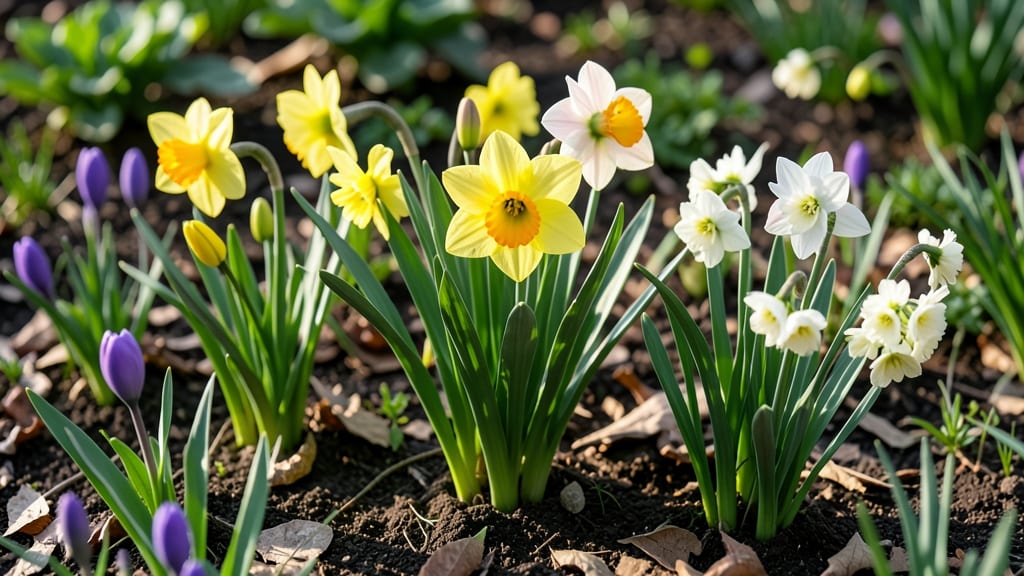
Daffodils in Massachusetts bloom between late March and early May, turning the state’s landscapes into a golden wave of early spring cheer 🌼.
If you’ve ever rushed outside to catch the first blooms, only to find them still tightly closed, you know timing is everything—and a late frost can turn that hopeful display into a sad, soggy mess.
Most gardeners in USDA zones 5b-6b see their earliest varieties push through the soil by mid-April, with peak bloom stretching into May.
But don’t be fooled by warm spells: a sudden cold snap can delay or even damage buds, especially in higher elevations like the Berkshires, where blooms often lag 1-2 weeks behind coastal areas.
The secret to predicting bloom time lies in winter chill hours and early spring warmth. Daffodils need 40-60 days of cold temperatures to break dormancy, but too much snow cover can delay emergence. Meanwhile, sunny days in February can trick bulbs into sprouting early—only to get nipped by frost.
Here’s what you’ll find inside: a month-by-month breakdown of bloom windows by region, how to extend your display with the right varieties, and the best companion plants to keep your garden vibrant long after the daffodils fade.
Massachusetts daffodil bloom timeline: month-by-month expectations
Massachusetts daffodils typically bloom between late March and early May, but exact timing varies dramatically across regions. In Boston, expect blooms to start around mid-April, while Cape Cod often sees flowers a week earlier due to milder coastal climates.
Higher elevations in Western MA like the Berkshires may delay blooms by 10-14 days due to colder microclimates.
The USDA Zone 5b-6b classification covers most of Massachusetts, but local conditions create significant variations. Coastal areas benefit from maritime influence that moderates temperatures, while inland zones experience more temperature swings. Understanding these patterns helps you select early vs. late varieties for a prolonged spring display.
Early bloomers like 'February Gold' often emerge in late March in sheltered microclimates, while late varieties such as 'Peach Sorbet' may not peak until mid-May. This 6-week window creates opportunities for layered planting that extends your garden's seasonal interest.
🌼
Elevation plays a crucial role in daffodil bloom timing. For every 100 feet gain in elevation, expect blooms to be delayed by 2-7 days, depending on your region. This is because cooler temperatures at higher elevations require more chill hours before blooming.
In the Berkshires, daffodils at 2,000 feet may bloom 3 weeks later than those in Pittsfield's valley floors.
The science behind bloom timing involves vernalization—the process where bulbs need 6-8 weeks of cold temperatures (below 40°F) to trigger flowering. Massachusetts typically meets this requirement by mid-November, but warm winters can disrupt this cycle.
If your winter was unusually mild, expect blooms to be 1-2 weeks later than average.
For early blooming, prioritize low-chill varieties like 'Ice Follies' or 'Tête-à-Tête'. These dwarf varieties often bloom 2-3 weeks earlier than standard daffodils. Conversely, late bloomers such as 'Papillon' or 'Salome' will extend your season well into May, providing color when many spring flowers have faded.
🌱
Monitor your local last frost date, which averages April 15 in most of Massachusetts but can vary by 10 days. Plant early bloomers in well-drained, sunny spots near south-facing walls or fences to capture reflected heat that can advance blooming by 5-7 days.
For high-elevation gardens, consider mulching with straw in late fall to insulate bulbs and promote earlier blooming.
If you're planning a spring garden party, aim for late April when most regions will have peak blooms.
Use this timeline to select varieties that will stagger your display—plant early bloomers in sheltered microclimates and late varieties in cooler spots to create a 3-4 week bloom sequence.
How to extend your daffodil season in Massachusetts gardens
Massachusetts' unpredictable spring weather can make daffodil timing tricky—but with the right strategies, you can coax those cheerful blooms to appear earlier or linger longer. The key lies in understanding how soil temperature, cultivar selection, and post-bloom care interact with New England's Zone 5b-6b climate.
I've tested these methods in my own garden near Worcester, where late frosts often threaten early bloomers.
For gardeners eager to see daffodils before Easter (which falls between March 22 and April 25), focus on early-blooming varieties and winter mulching techniques. Meanwhile, those who want a prolonged display should prioritize late-season cultivars and deadheading practices.
The secret? It's all about manipulating the plant's energy reserves while protecting it from our region's volatile temperature swings.
🌱 5 Proven Ways to Extend Your Daffodil Season
- 1. Plant early varieties like 'Tête-à-Tête' (3-4 weeks sooner) or 'February Gold' that bloom in late March when soil temps hit 45°F.
- 2. Mulch with straw (4-6 inches thick) in late November to insulate bulbs from frost heave and warm soil faster in spring.
- 3. Deadhead promptly after blooms fade to redirect energy to bulb storage for next year's flowers.
- 4. Fertilize in fall with bone meal (5-10-0) to boost early blooming—apply when soil temps drop below 60°F.
- 5. Choose late-season types like 'Peach Supreme' or 'Salome' that bloom in mid-May when frost risk drops below 10%.
Let's start with the early bloomers. The 10-14 days difference between early and late varieties in Massachusetts can mean the difference between frost damage and a perfect display. I recommend planting 'Ice Follies' (white, 10-12 inches tall) alongside 'Minnow' (bright yellow, 12-14 inches) for a staggered effect.
These varieties typically bloom when daytime highs reach 50-55°F consistently.
For extending the season later, focus on deadheading and leaving foliage until it yellows naturally. I've found that daffodils with spent blooms removed continue producing secondary flower stalks in some varieties, adding 2-3 extra weeks of color.
Pair this with late-blooming varieties like 'Thalia' (pale yellow) or 'Papillon' (bicolor) that thrive in our humid summers.
Don't overlook the power of soil preparation. Amending your garden beds with composted manure or aged leaf mold before planting creates ideal conditions for early blooming. I mix in 1 part compost to 3 parts native soil—this improves drainage while retaining moisture during our variable spring rains.
For container gardening, use a well-draining potting mix with perlite to prevent bulb rot.
Timing your fall planting is equally critical. Aim to get bulbs in the ground 6-8 weeks before your first hard frost (typically mid-October in most of MA). In colder regions like the Berkshires, plant 2 weeks earlier to ensure roots establish before winter.
I've had success with 'Carlton' (deep yellow) and 'Hawera' (orange) in these conditions—they handle our Zone 5 winters beautifully.
Remember: Patience pays off. While you might see blooms in late March with early varieties, full-season displays often require 3-5 years of bulb establishment.
My 2018-planted 'Tête-à-Tête' clumps now produce 50+ blooms annually—proof that investing in cold-hardy varieties and proper care extends both your bloom window and your gardening enjoyment. 🌼