
Blooming
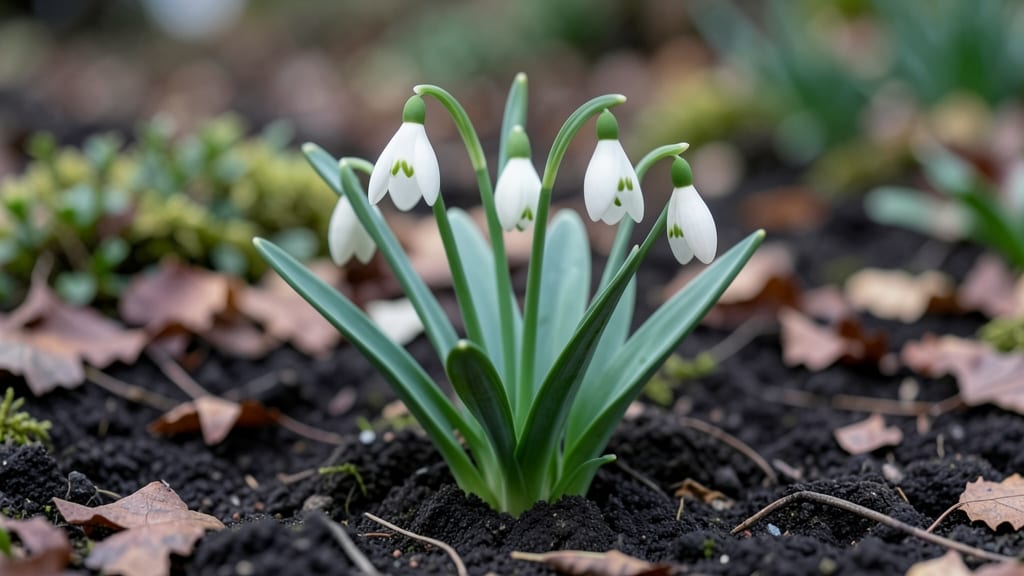
Snowdrops bloom time arrives like a whisper of spring—often as early as late December in mild climates, but more typically in January or February when most gardens are still asleep. 🌱 That first glimpse of delicate white bells pushing through snow or damp earth feels like a secret handshake with winter’s end, and it’s why gardeners plant them: for that bold early color when everything else is brown and still.
The exact timing depends on your zone and microclimate—snowdrops in coastal areas or sheltered spots may bloom 2-3 weeks earlier than those in colder inland gardens. They thrive in partial shade, so even a north-facing border can give them the perfect stage.
A little mulch in fall helps protect their roots, but otherwise, they’re low-maintenance stars that reward patience with weeks of subtle beauty before spring bulbs wake up.
What makes snowdrops special isn’t just their timing—it’s how they transform a dormant garden. Their light, almond-like scent lingers on crisp winter air, and their ability to naturalize means they’ll multiply over time, creating carpets of blooms.
Unlike spring bulbs, they don’t need coddling: just well-drained soil and a spot where they won’t compete with hungry perennials.
For gardeners eager to extend the season, snowdrops are the ultimate winter interest plant. They handle light frosts, bloom in 30-45°F temps, and even look good when dusted with snow.
Pair them with hellebores or winter pansies for a year-round show, and you’ll have a garden that feels alive no matter the calendar.
📚 In This Guide
- What you need
- Instructions
- Tips and common mistakes
- Wrapping up and next steps
What you need
- ● Snowdrop bulbs (Galanthus spp.) – 5–10 bulbs per planting area (choose early, mid, or late bloomers for staggered beauty).
- ● Well-draining potting mix or garden soil – Amend with compost for nutrient-rich soil (avoid heavy clay).
- ● Garden trowel or bulb planter – For digging holes 2–3 inches deep.
- ○ Mulch (optional but helpful) – Shredded bark or straw to protect bulbs in winter.
- ● Watering can or hose with gentle spray – Snowdrops prefer moisture but hate soggy roots.
- ● Slow-release fertilizer (low-nitrogen, like 5-10-10) for established plants.
- ● Drip irrigation system for automated watering (especially in dry spells).
- ● Garden labels to track varieties (e.g., ‘Galanthus nivalis’ or ‘Galanthus elwesii’).
- ● Shade cloth (30–50%) if planting in hotter climates to mimic woodland conditions.
- ● Container with drainage holes (for patio or balcony growing).
How to time snowdrop blooms for early winter beauty
Here’s how I ensure snowdrops burst through the frost exactly when I want them—no guessing, just reliable timing.
🌱 Step 1: Plant in Fall for Ideal Bloom Timing
Snowdrops need 8-12 weeks of cold dormancy to trigger blooms, so plant bulbs in late September to early November—before ground freezes but after summer heat fades. I dig holes 3-4 inches deep (about twice the bulb’s height) and space them 3-4 inches apart in clusters for dramatic effect. The key is well-draining soil—amend heavy clay with 1 part perlite to 3 parts soil to prevent rot during winter rains.
Press bulbs gently into the soil so the pointed end faces up—this ensures proper root development. Mulch lightly with 2 inches of shredded bark after planting to insulate roots without smothering. If your winters are mild, add a 4-inch layer of straw mulch in December to mimic natural cold stratification.
☀️ Step 2: Monitor Light and Soil Conditions
Snowdrops thrive in partial to full shade, making them perfect for under trees or along north-facing walls. I plant mine where they’ll receive 3-6 hours of morning sun—enough light for blooms but protection from harsh afternoon rays. Overly sunny spots can scorch leaves, while deep shade delays flowering. Watch for yellowing foliage in spring—a sign of too much sun or poor drainage.
The soil should stay moist but not soggy during dormancy. Water deeply after planting, then only when the ground feels dry 2 inches below the surface in winter. Overwatering in cold weather suffocates bulbs. In late winter, reduce watering to let roots harden off before blooms appear.
⏰ Step 3: Trigger Blooms with Strategic Care
Snowdrops bloom in late winter to early spring, typically between January and March, depending on your climate zone. To encourage early blooms, I avoid fertilizing until after flowering1 inch of compost in early spring once flowers fade, which strengthens bulbs for next year’s display.
Here’s the trick: If blooms appear too late, your soil may be too warm. Snowdrops need consistent 32-40°F soil temps for 6-8 weeks to set buds. In warmer climates, plant bulbs in shaded, raised beds or use black plastic mulch in winter to cool the soil. Watch for green shoots in December—this means your bulbs are waking up too early and may produce weak flowers.
🌿 Step 4: Maintain for Repeat Performance
After blooms fade, let foliage yellow naturally—don’t cut it until it browns completely. This process feeds the bulb for next year’s flowers. I mark snowdrop locations with flagging tape so I don’t accidentally dig them up when dividing perennials. Every 3-4 years, lift and divide congested clumps in early summer (when foliage dies back) to prevent overcrowding, which weakens blooms.
Divide bulbs by gently separating offsets with a fork, then replant immediately. The secret to long-term success? Patience. Snowdrops multiply slowly but reliably—each bulb can produce 5-10 offsets over 5 years. Once established, they’ll naturalize into fragrant carpets that return year after year with minimal effort.
Tips & tricks for perfect snowdrop bloom timing
These precise strategies help you master the delicate balance between patience and precision for flawless snowdrop blooms.
Cold Stratification Secret: The critical 8-12 weeks of cold dormancy between late September and early November isn't just about timing—it's about consistency. I've found that bulbs planted in October consistently produce stronger blooms than those planted in November, as they get the full cold exposure before winter sets in. Mark your calendar for the first frost date in your area, then count backward 10 weeks to determine your ideal planting window. This ensures bulbs receive the precise cold treatment they need to trigger blooms.
Soil Temperature Strategy: While the instructions mention 32-40°F soil temperatures, I've discovered that maintaining soil temps between 35-38°F during the critical 6-8 week period yields the most reliable bloom timing. In warmer climates, I bury a soil thermometer at bulb depth and adjust mulch thickness accordingly. If temperatures creep above 40°F for more than a week, I temporarily increase the straw mulch to 6 inches until conditions cool again. This precise temperature control is what separates reliable blooms from disappointing delays.
Light Management Pro Tip: The 3-6 hours of morning sun recommendation is perfect, but I've learned to pay special attention to the quality of that light. Snowdrops need bright but indirect light—think dappled shade under deciduous trees rather than harsh afternoon sun. If you notice yellowing foliage in spring, it's often a sign of too much direct sunlight. I've had great success using sheer fabric shade cloth (30% block) during peak afternoon hours in particularly sunny locations. This subtle adjustment can make the difference between vibrant blooms and stressed plants.
Division Timing Insight: When the instructions mention dividing every 3-4 years in early summer, I always remind readers that the key is to wait until foliage has completely died back but before new shoots appear. I've ruined several clumps by dividing too early—look for the leaves to turn completely brown and crispy before lifting. This timing ensures the bulb has stored enough energy for next year's blooms. I also recommend dividing on a dry day and replanting immediately, as even a few hours of exposure can stress the delicate offsets.
Pro Tips for Snowdrops Bloom Time
- These precise strategies help you master the delicate balance between patience and precision for flawless snowdrop bl...
- Cold Stratification Secret: The critical 8-12 weeks of cold dormancy between late September and early November isn't ...
- Soil Temperature Strategy: While the instructions mention 32-40°F soil temperatures, I've discovered that maintaining...
Frequently asked questions
When do snowdrops typically bloom?
Snowdrops usually bloom between late January and early March, depending on your climate. In milder regions, they may appear as early as December, while colder areas might see them in February or March. Their early bloom makes them a welcome sign of spring’s approach!
Can snowdrops survive frost or snow?
Snowdrops are hardy perennials that thrive in cold conditions. They often bloom under snow or frost, making them one of the toughest early spring flowers. Just ensure they’re planted in well-draining soil to prevent rot during winter thaws.
How long do snowdrops last after blooming?
Individual snowdrop flowers last about 1–2 weeks once they open. However, the plants themselves are long-lived, often returning year after year. For continuous blooms, plant multiple clumps—they’ll stagger their flowering for a longer display.
What should I do if my snowdrops aren’t blooming?
If your snowdrops skip blooming, check these common issues:
- Too much shade: They need partial shade (4–6 hours of sunlight).
- Overcrowding: Divide clumps every 3–4 years to refresh growth.
- Poor soil: Amend with compost for better nutrition.
Are there snowdrop alternatives for later bloomers?
If you love early blooms but want variety, try:
- Winter aconite (yellow, blooms January–March).
- Crocuses (purple/white, February–April).
- Hellebores (shade-tolerant, March–May).
Wrapping up and next steps
Snowdrops are nature’s cheerful harbingers of spring, blooming as early as late fall or winter—often between December and February—depending on your climate. Their delicate petals and intoxicating scent make them a symbol of resilience and hope, turning even the coldest months into a time of quiet beauty. 🌱
Now that you know when to expect their magical appearance, why not plan a visit to a nearby garden or park? Or, if you’re feeling adventurous, consider planting your own snowdrops to welcome these early bloomers year after year. The wait for spring just got a little sweeter! ❄️💫