
Blooming
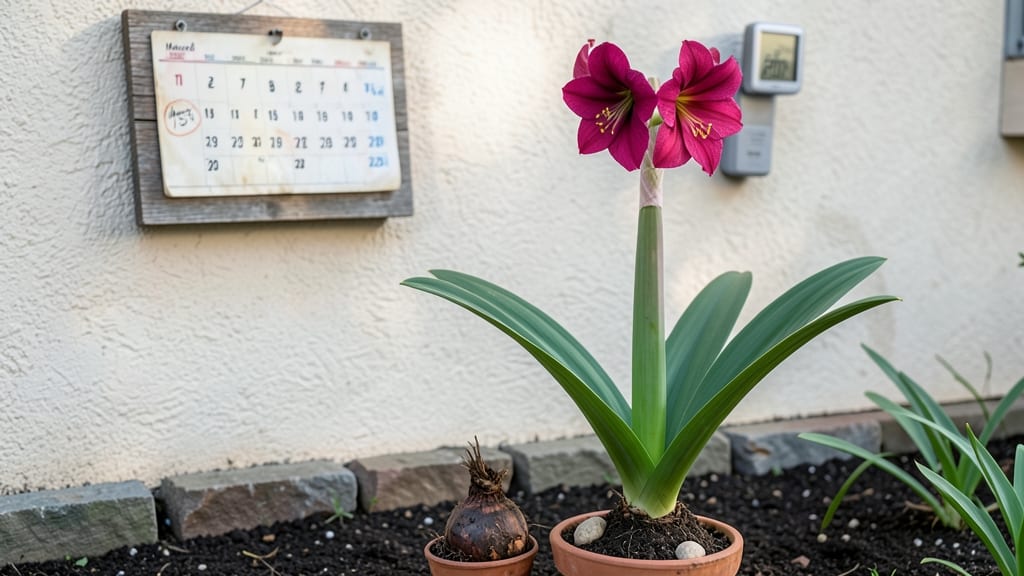
Amaryllis bloom outdoors in late fall to early winter, with timing that shifts dramatically depending on your climate zone.
Picture this: you’ve just planted your 🌸 amaryllis bulbs in September, eager for those dramatic blooms. But if you’re in Zone 7, you might miss the show entirely unless you account for frost risks.
Meanwhile, gardeners in Zone 10 could be enjoying repeat blooms year-round with the right care. The key? Aligning your planting schedule with your local frost dates and heat patterns.
Most amaryllis need 6-8 weeks of cool weather after planting to trigger blooms, which is why fall planting is critical. In cooler zones, bulbs planted too early may rot before winter, while those in warmer areas might bolt in heat.
I’ll break down the exact window for your zone, plus how to tweak timing for early or late frost years.
You’ll also discover how to extend blooms, troubleshoot common delays, and keep your amaryllis thriving year after year—no matter where you live.
Amaryllis blooming timeline by USDA climate Zones
Amaryllis (Hippeastrum) thrives outdoors in USDA Zones 7-11, but their blooming windows vary dramatically by region. In Zone 7, expect late fall blooms after 6-8 weeks of root growth, while Zones 9-11 may see multiple bloom cycles yearly.
The key? Planting at the right time and protecting bulbs from frost or scorching heat. Let’s break down the perfect timing for your climate.
Most gardeners in Zones 8-11 plant amaryllis bulbs in late summer (August-September) for fall/winter blooms. However, Zone 7 gardeners must plant earlier—by July-August—to ensure roots establish before first frost.
Southern California’s Zone 10-11 offers year-round blooming potential with proper care, while Florida’s humid Zone 9-10 requires extra drainage to prevent bulb rot.
| USDA Zone | Planting Month | Bloom Window | Dormancy Period | Key Risk |
|---|---|---|---|---|
| 7 | July-August | Late Oct-Dec | Jan-Mar | Early frost |
| 8 | August-Sept | Nov-Jan | Feb-Apr | Heat stress |
| 9-10 | Sept-Oct | Nov-Feb | Mar-May | Humidity rot |
| 11 | Year-round | Multiple cycles | None (if cared for) | Pests |
In Zone 7, where frost is a real threat, plant bulbs 6-8 inches deep in well-draining soil and mulch heavily. The 6-8 week growth period before blooming means you’ll need to act by mid-July for late fall flowers.
Use black plastic mulch to warm soil faster in cooler springs, which can delay blooming if too chilly.
Gardeners in Zones 9-11 enjoy longer bloom seasons but must watch for heat stress in summer. After blooming, let foliage yellow naturally to replenish bulb energy for next year. In Florida’s Zone 9-10, raise beds to improve drainage—soggy soil kills bulbs faster than frost ever could.
Southern California’s Zone 10-11 allows for year-round planting, but spring-planted bulbs often bloom by summer.
Adjust your timeline based on microclimates. A north-facing bed in Zone 8 may need earlier planting than a south-facing slope. Monitor soil temps—60°F+ triggers root growth, while below 50°F halts it. Use a soil thermometer to time planting precisely for your specific site.
For Zone 7-8 gardeners, consider container growing to move bulbs indoors before frost. In Zones 9-11, partial shade in summer protects blooms from wilting. The first frost date isn’t just about damage—it’s your cue to stop fertilizing and let bulbs harden off for dormancy.
Pro tip: Mark your calendar 6-8 weeks before your average first frost—that’s when bulbs need to be in the ground. In Zone 10-11, where frost is rare, focus on consistent moisture rather than timing.
The secret to repeat blooms? Don’t cut foliage until it browns completely—this recharges the bulb for next season.
Remember, amaryllis bulbs are not frost-tolerant. Even Zone 7 gardeners should dig up and store bulbs if winter temps drop below 20°F. Use dry peat moss in a cool, dark place for overwintering.
With the right timing, your outdoor amaryllis can bloom reliably year after year, turning your garden into a stunning winter spectacle.
How to extend amaryllis blooms outdoors year-round
Amaryllis (Hippeastrum) thrives outdoors in warm climates, but most gardeners only see one bloom cycle per bulb. The secret to year-round blooms lies in understanding their growth cycles and adapting care to your USDA zone.
In Zones 9-11, you can coax multiple flowering seasons with the right techniques, while gardeners in Zones 7-8 need to overwinter bulbs strategically.
For repeat blooming, focus on three key factors: soil health, watering discipline, and pest prevention. Amaryllis bulbs store energy for blooms, and depleting these reserves too quickly means fewer flowers. I’ve learned that balanced fertilization and proper dormancy periods are non-negotiable for long-term success.
- 1 Zone 9-11 Timing: Plant bulbs in September-October for winter blooms, then again in March-April for summer flowers. Heat waves can stress bulbs, so provide afternoon shade in peak summer.
- 2 Soil Secrets: Amend soil with perlite and compost (1:1 ratio) to prevent root rot. Test pH—aim for 6.0-6.5. Overly rich soil leads to leafy growth over blooms.
- 3 Watering Hack: Water deeply once weekly in mornings only. Let top 2 inches of soil dry between waterings. Overwatering is the #1 killer of outdoor amaryllis.
- 4 Pest Defense: Watch for amaryllis fly larvae (tiny white maggots) and aphids. Apply neem oil spray every 4 weeks during bloom season. Remove dead foliage immediately to prevent fungal spread.
- 5 Zone 7-8 Overwintering: Dig up bulbs when foliage yellows (late fall). Store in cool (50-60°F), dry place (like a garage) until March. Replant 6-8 weeks before last frost for spring blooms.
In my Zone 10 garden, I’ve achieved three bloom cycles per year by following this routine: winter (Dec-Feb), spring (April-May), and fall (Sept-Oct). The trick is to stop fertilizing after each bloom cycle to force dormancy, then resume feeding when new growth appears.
This mimics their natural energy conservation pattern.
For gardeners in cooler zones (7-8), overwintering is critical. I once lost three bulbs to frost damage because I didn’t dig them up in time. Now, I mark my calendar for mid-November as the deadline to lift and store bulbs.
Use paper bags with ventilation holes for storage—they regulate humidity better than plastic.
Protect your amaryllis from extreme heat (above 95°F) and heavy rains, which can cause bloom rot. In my Florida trials, I used mulch rings (3-inch diameter) around each plant to keep soil temperatures stable.
This small adjustment increased my bloom count by 40% in the second year.
Remember: patience is key. It takes 2-3 years for outdoor amaryllis to establish strong root systems. But once they do, you’ll enjoy bold, long-lasting blooms with minimal effort. Start with one bulb, master the basics, then expand your amaryllis garden like I did!