
Flowers
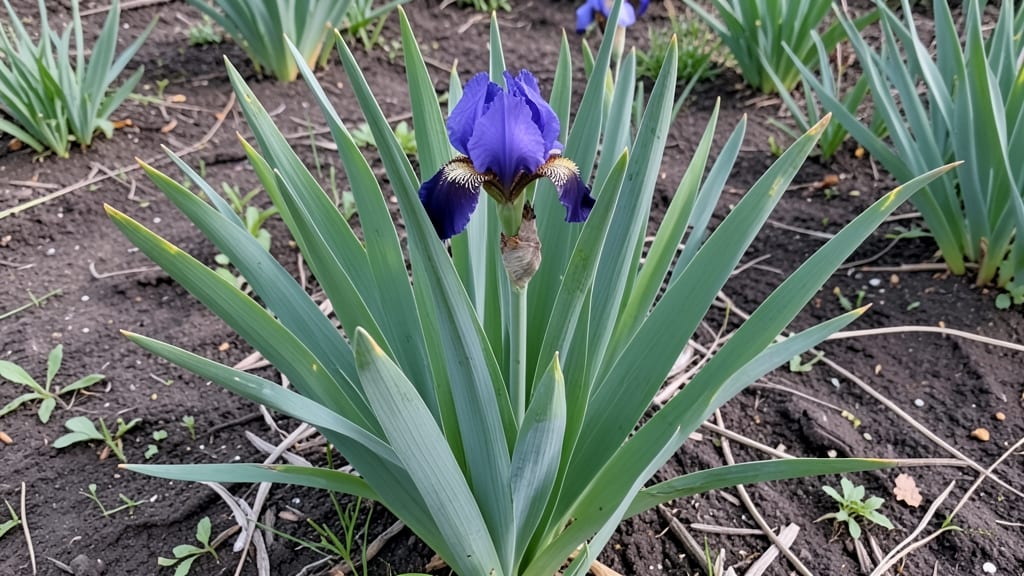
These underground stems aren't your typical round bulbs—they're more like elongated, gnarled roots with a rough, bark-like texture that stores nutrients for spring blooms. 🌱 The segmented sections act as growth nodes, each capable of producing new shoots when conditions are right, which is why gardeners often divide clumps every few years to maintain vigor.
Their scale-like leaves at the top help distinguish them from other perennials, as they emerge before the familiar sword-shaped foliage appears above ground.
What's fascinating is how these rhizomes spread horizontally over time, creating dense colonies that can crowd out weaker plants if left unchecked. I've seen them extend up to 12 inches in mature gardens, though younger specimens stay more compact.
This growth habit explains why iris plants thrive in well-drained soil—they hate soggy conditions that would rot their storage segments.
💡 In This Article
- Iris Rhizome Anatomy and Growth Patterns
- How to Identify Iris Bulbs in Garden Soil
Iris rhizome anatomy and growth patterns
The key difference between iris rhizomes and traditional bulbs lies in their growth orientation and structure. Unlike round bulbs like tulips that grow vertically with concentric layers, iris rhizomes grow horizontally just below the soil surface.
These underground stems develop segmented nodes every 1-2 inches, each containing stored nutrients that fuel spring blooms. The outermost segments are typically 1-3 inches long and ½-1 inch wide, with a rough, bark-like texture that distinguishes them from smooth bulbs.
The scale-like leaves emerging from the top of each segment serve as protective coverings during dormancy while also photosynthesizing in early spring. These papery leaves (called cataphylls) unfurl before the familiar sword-shaped foliage appears, providing an early energy boost.
The rhizome's knobby appearance comes from these growth nodes, which develop fibrous roots along their undersides. These roots anchor the plant and absorb moisture, but they're less robust than the storage segments above.
What makes iris rhizomes unique is their horizontal propagation strategy. Each mature segment can produce new shoots from its nodes, creating dense colonies over time. This is why gardeners often divide clumps every 3-5 years—to prevent overcrowding and maintain bloom vigor.
The oldest segments eventually die back, while newer ones form at the tips, creating a natural renewal cycle. This growth pattern explains why iris plants thrive in well-drained soil—they can't tolerate waterlogged conditions that would rot their storage segments.
The seasonal growth cycle begins in early spring when the rhizome's stored nutrients fuel new shoot development. By late summer, the rhizome has replenished its reserves through photosynthesis from the sword-shaped leaves.
The scale-like leaves then dry out and wither, preparing for winter dormancy. This cycle repeats annually, with each segment potentially living for 2-3 years before being replaced by newer growth.
One fascinating aspect is how these rhizomes adapt to their environment. In cooler climates, they may grow more compactly, while in warmer regions they can extend up to 12 inches in mature specimens.
The knobby segments also develop thicker bark-like layers in harsh conditions, providing additional protection against temperature fluctuations and soil-borne pathogens. This adaptive growth explains why iris plants are so hardy across diverse climates.
When you dig up iris rhizomes, you'll notice how the segments feel firm yet slightly spongy to the touch—a texture that sets them apart from true bulbs. The fibrous roots along the underside create a web-like structure that helps stabilize the plant in the soil.
This unique anatomy is what allows iris plants to thrive in both garden beds and naturalized areas where they can spread undisturbed.